Am I Burnt Out or Just Lazy? (The Clinical Difference and What to Do Next)

Workplace Burnout Signs

Core distinction: Burnout is loss of capacity, laziness is a choice about effort. Key pattern: Watch the burnout triangle that persists, exhaustion, emotional distance, reduced effectiveness. Quick self-check: Ask if rest truly restores you, if avoidance is depletion or misalignment, and if a 30% workload drop would help fast. Stress vs burnout: Stress is high


Quitting During Probation: Is It Professional or Career Suicide?

Quitting During Probation

Reframe: Probation is a two-way fit check, so leaving early can be professional when the match is wrong. Sanity test: Separate new-job discomfort from real structural problems like mis-sold scope, bullying, ethical pressure, or unsafe conditions. Notice rules: Treat notice as law, contract, and policy, then confirm required probation notice in writing if unclear. Exit

Taking a Sabbatical: How to Plan an Adult Gap Year Without Destroying Your Career

Adult Gap Year

What an adult gap year really is: A planned project with purpose, timeline, budget, and re-entry plan, not an impulsive escape. Define the break in one sentence: Pick a primary goal (Rest, reset, reposition) and set a minimum success outcome. Put boundaries on time: Choose a start date and an end date so the break

Is Two Weeks’ Notice Actually Required by Law? The Real Rule

Is 2 Weeks Notice Mandatory

Myth vs reality: Two weeks is often a norm, not a universal legal rule, but skipping it can still create real consequences. What “required” means: Separate Law, Contract, and Company policy because they drive different obligations and outcomes. When notice is truly mandatory: Signed notice clauses, union terms, regulated roles or visas, and repayment or

The Etiquette of Returning Company Equipment (Laptop, Badge, Phone): Do It Cleanly

returning company equipment

Why it matters: Missing gear can delay payroll, trigger HR chases, or lead to chargeback disputes. What to return: Think beyond the laptop, include chargers, docks, cables, monitors, badges, keys, phones, cards. Before handoff: Remove personal accounts, move personal files if allowed, log out, do not wipe unless IT instructs. Proof is protection: Take photos,

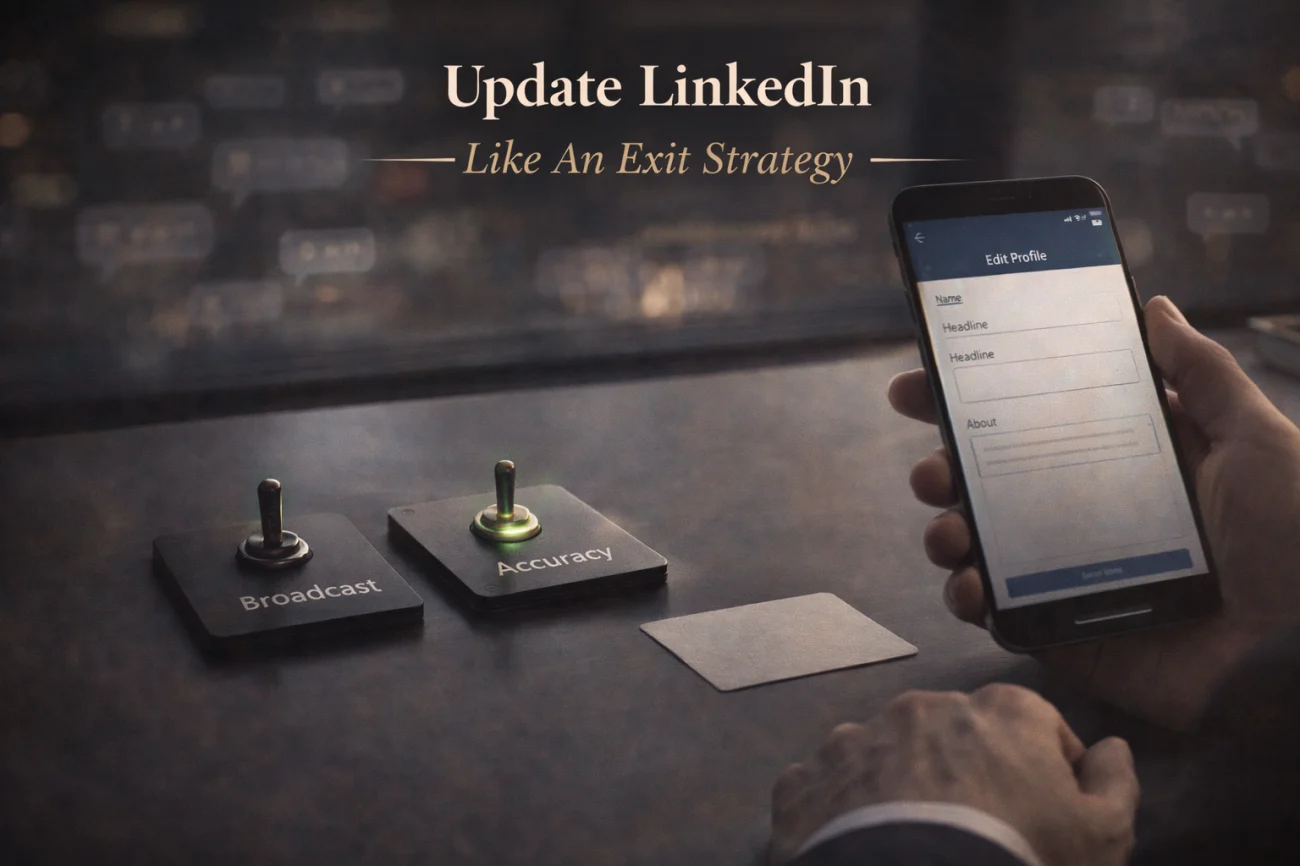
When (and How) to Update Your LinkedIn Status After Quitting

Update Linkedin After Quitting

Core rule: Do not let LinkedIn announce your resignation before your manager and team hear it first. Safest timing: Update after your last working day if politics are tense, or after your team has been informed in normal workplaces. Low-drama order: Turn off update broadcasts, update About and skills quietly, then adjust experience dates when

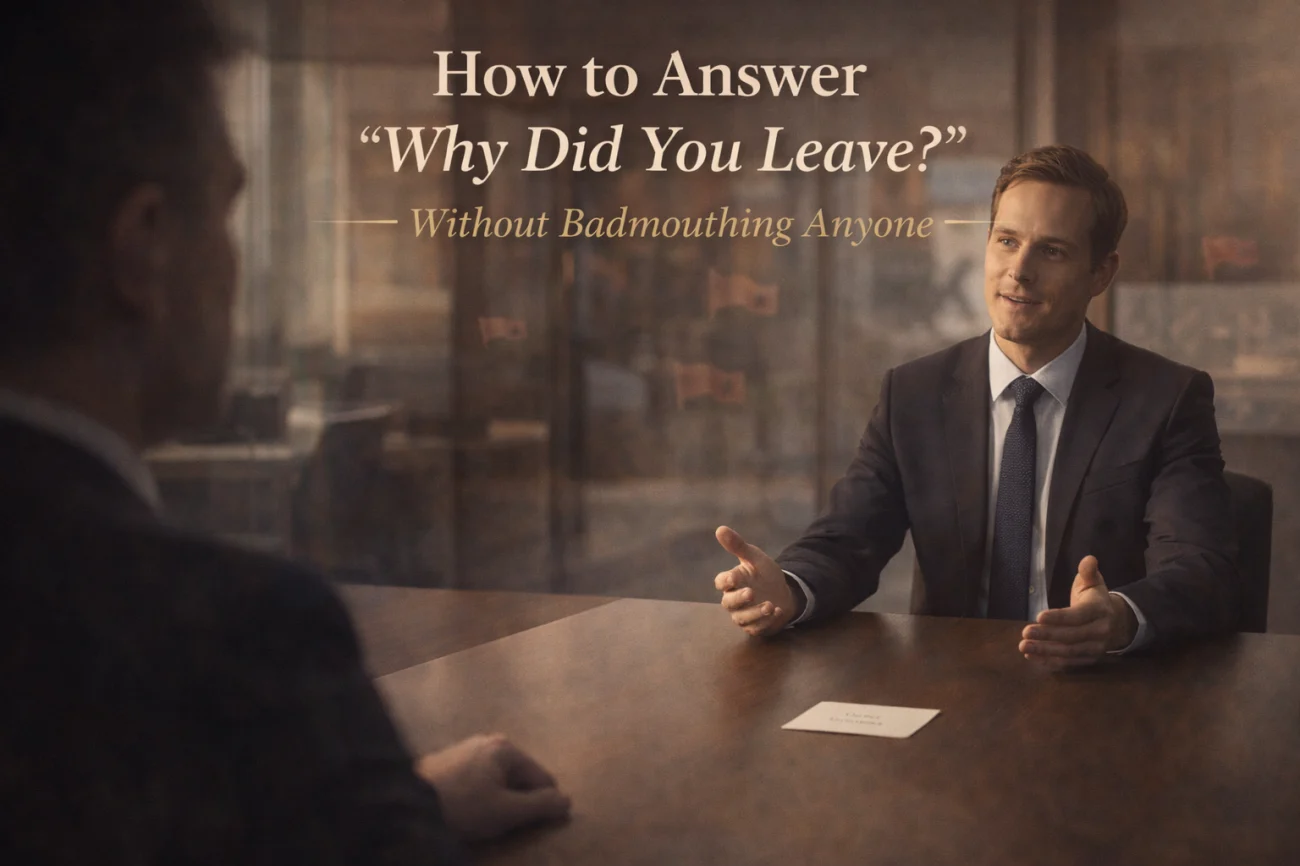
How to Answer “Why Did You Leave?” Without Badmouthing Anyone

Interview Question Why Left

What they are testing: “Why did you leave?” is a risk scan for instability, conflict, and whether your story will repeat. Golden rule: Never badmouth anyone, even if you were right, because the interview is not a courtroom. Best framework: Past → Pivot → Future, one neutral fact, one lesson, then why this role fits.

Can You Take Back Your Resignation? (And Should You?)

Retract Resignation

Reality: You can sometimes withdraw a resignation if your last day has not arrived and the company has not locked in a replacement. Not a right: Approval depends on convenience, risk, and manager support, so how you ask matters as much as what you ask. Best odds: Act fast, have a stable reason, show strong

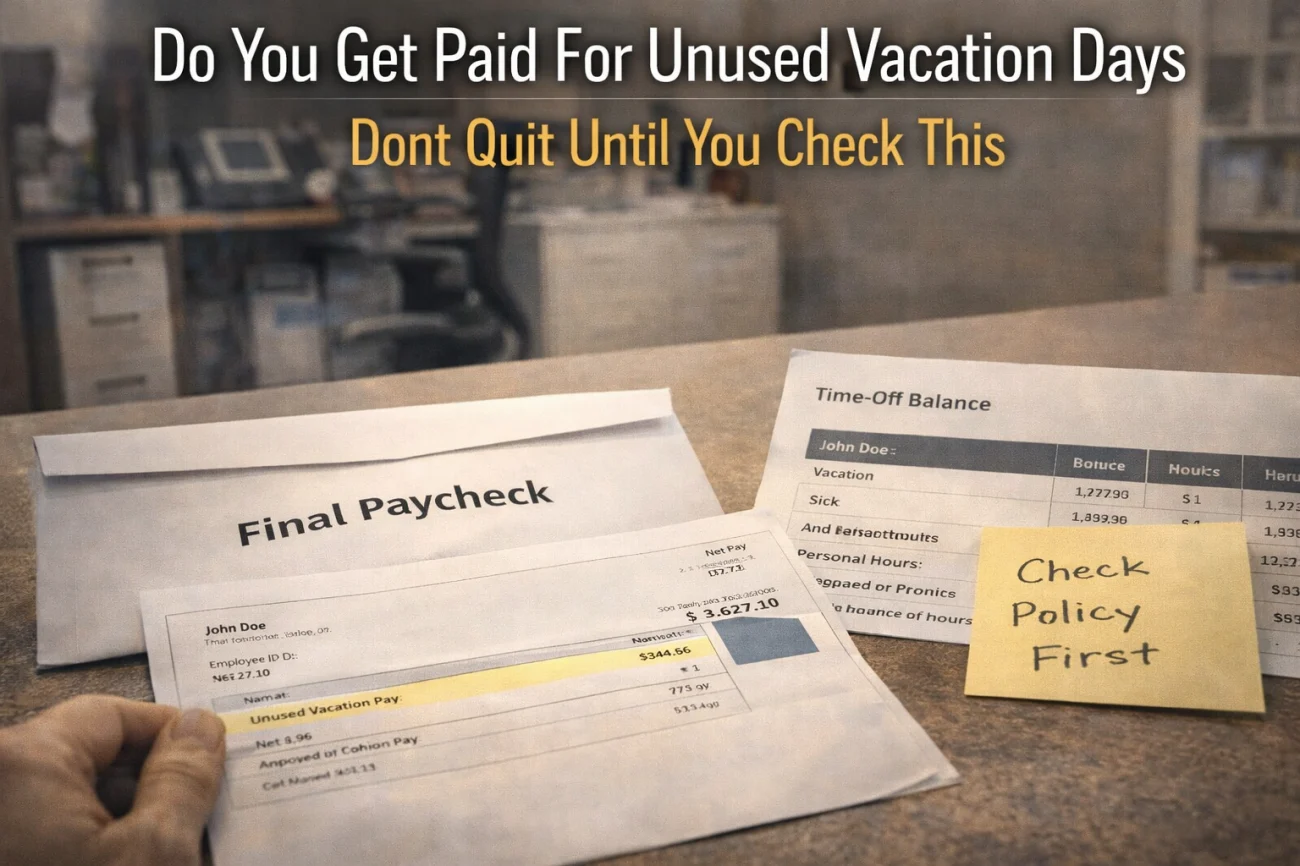
Do You Get Paid for Unused Vacation Days? (Don’t Quit Until You Check This)

Unused Vacation Pay

Why this matters: Unused vacation pay is often money you already earned, but people lose it by resigning without checking rules. What decides payout: Policy language and local rules, plus whether time is accrued vs granted, and vacation vs PTO vs sick. Common traps: Unlimited PTO pays out nothing, notice-required clauses can zero out payout,

(Don’t Just Ask) How to Get a Glowing Reference Letter

Reference Letter Request

Core idea: Treat a reference letter request as a small project, ask for a strong letter, and make it easy to write. Timing: Ask right after visible wins or before you leave, while details are still fresh in their mind. Who to ask: Choose people who directly observed your work and can describe outcomes, avoid

Telling Your Work Bestie You’re Quitting: Who You Tell First (and What You Say)

Telling Coworkers

Golden rule: Tell Your manager first, never let them hear it through coworkers. Correct order: Manager, HR if required, direct teammates, work bestie, then wider stakeholders. Best timing: After Your last day and the communication plan are aligned, then tell people in one tight window. What to say: Leaving, last day, appreciation, smooth transition, nothing

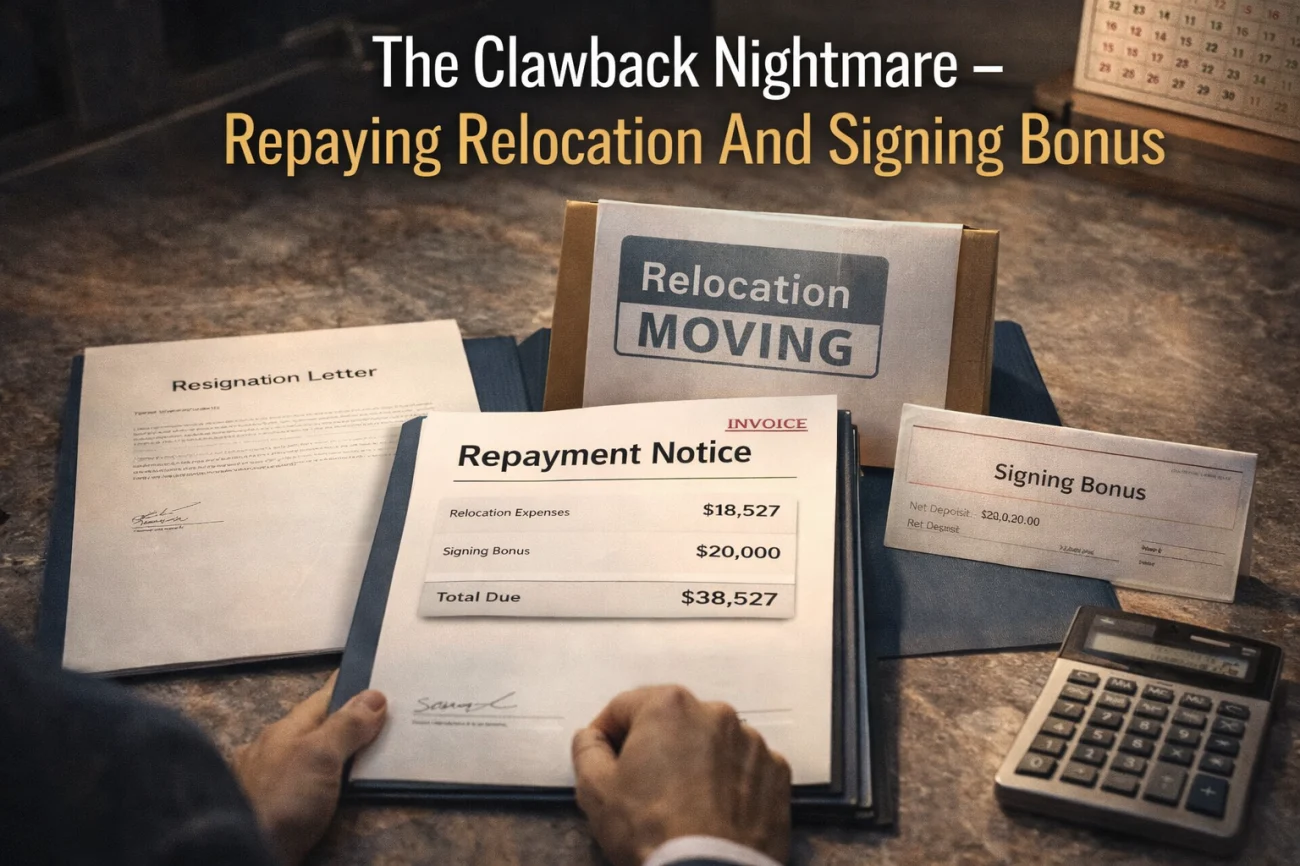
The Clawback Nightmare: Repaying Relocation & Signing Bonus After You Quit

Relocation Payback

Core risk: Relocation and signing bonuses can turn into debt if you resign before the clawback window ends. What decides the bill: Repayable amount, Time window, Clock start date, Prorated versus full repayment, Collection method. Before you quit: Pull every document, confirm the clock start, then estimate exposure so you are not guessing. Smart exits:

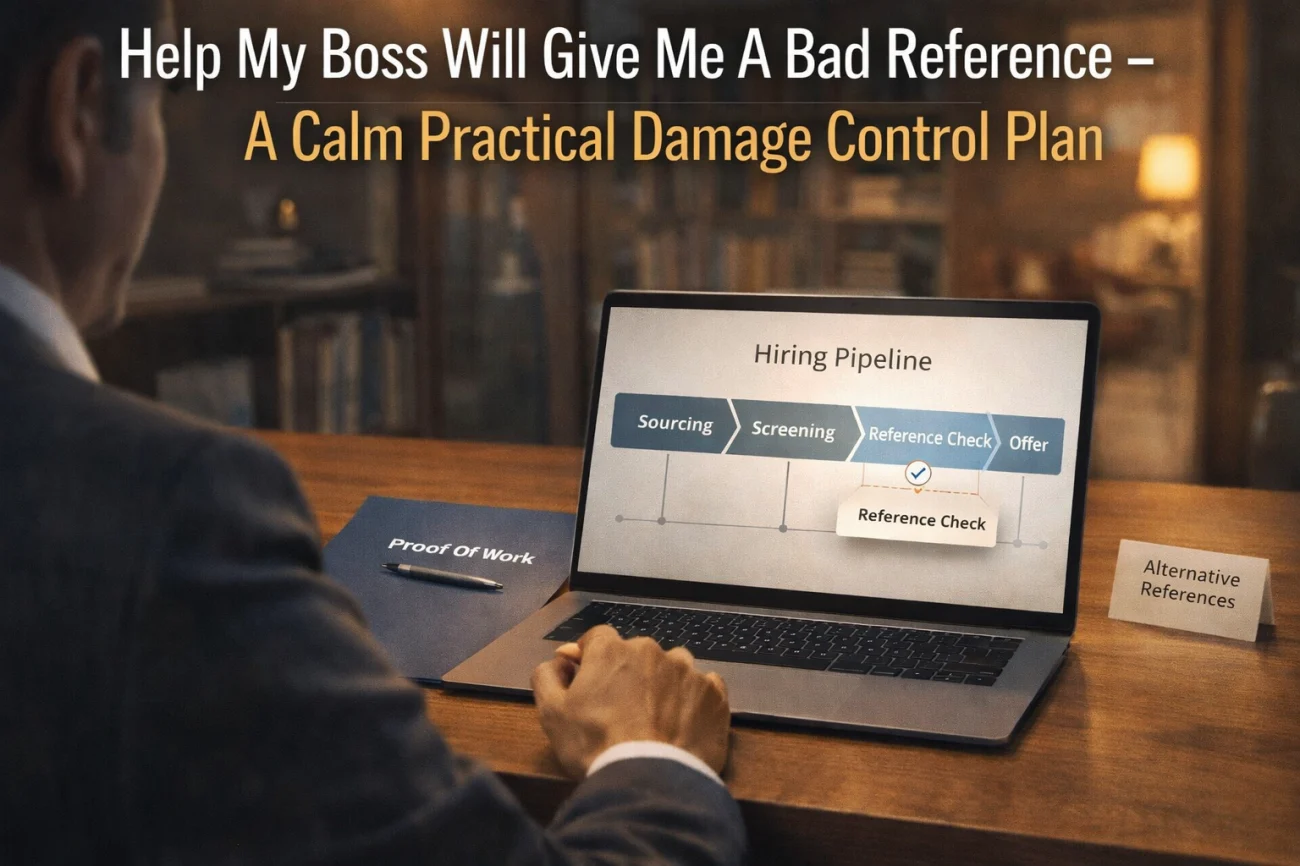
Help! My Boss Will Give Me a Bad Reference: A Calm, Practical Damage-Control Plan

Bad Reference Check

What a bad reference looks like: Subtle signals like pauses, dates only confirmation, lukewarm tone, or “Wouldn’t rehire.” First principle: Don’t make the risky manager the gatekeeper, reroute credibility to people who saw your work directly. Build proof and redundancy: Collect clean performance receipts, then line up 3–5 references with clear angles. Create a neutral

Turning Your Old Boss into Your First Client: A Freelance Transition Playbook

Freelance Transition

Core move: Resign cleanly first, then show handover risks, then offer consulting as an optional stabilizer. Prep first: Build a private inventory of what you own, choose one “yes” outcome and one hard “no,” and keep your leaving story boring. Pitch angle: Frame it as risk reduction and continuity, with specific outcomes and limited availability,

Garden Leave Guide: What It Is (and Why It’s the Dream Way to Quit)

Garden Leave Guide

What garden leave is: Paid employment time after resignation where you are told not to work and usually lose system, client access. Why companies use it: Risk control for client relationships, sensitive strategy, code, pricing, sales pipelines, internal plans. Garden leave vs notice period: Notice is active work and handover, garden leave is separation while

The “Golden Handcuffs” Guide to Vesting Period Stock Options Before You Resign

Vesting Period Stock Options

Big mistake: Quitting right before a vesting or payout milestone can erase real money because eligibility is based on calendar status, not effort. Four buckets: Check Retirement match vesting, RSUs or performance shares, Stock options exercise windows, Bonus or commission payout rules. Date rules: Confirm how your company defines “last day” and what counts as