What Does “Employment Verification” Actually Reveal? A Mythbusting Guide
Employment Verification Check

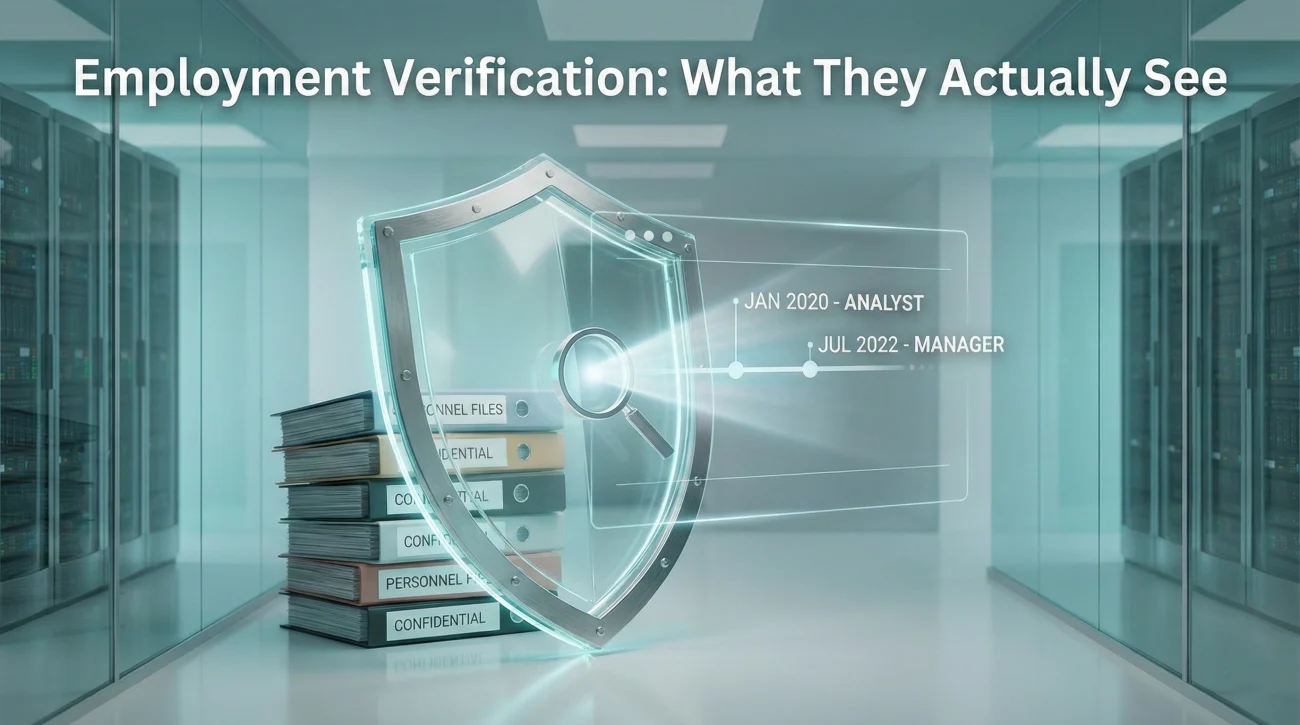
What verification usually confirms: Employment dates, job title, employment status, sometimes location. Myth vs reality: Most employers avoid sharing performance or “why you left,” verification is often HR or a standardized system. Salary is situational: It can appear in regulated or process-heavy checks, so keep your story consistent and negotiate on market value. The quiet … Read more

Resigning to Become a Stay-at-Home Parent: The Financial Transition

Quitting To Be A Stay At Home Mom

Shift: Quitting to be a stay-at-home mom is a full household business model change from salary plus benefits to one system carrying everything. Budget: Build two modes, a normal month and a stress month, so one surprise bill does not turn into panic and resentment. Benefits: Confirm in writing when health coverage ends, then choose … Read more

Will We Still Be Friends? The Reality of Work Relationships

Work Friendships

What hits hardest: After you quit, the group chat goes quiet and the “friendship math” changes fast. Why it fades: Most work bonds depend on proximity, routine contact, and shared pressure, so drift is structural. Sort your people: Proximity friends will fade, true friends need a new rhythm, professional allies can grow into networking. How … Read more

COBRA is Too Expensive: 3 Cheaper Health Insurance Alternatives After You Quit

Cobra Alternatives

Why COBRA feels brutal: You’re now paying the full premium plus possible admin fees, so the sticker shock is the real price. Three cheaper paths to compare first: Marketplace plans, Spouse or partner employer coverage, Medicaid or CHIP if your income drops. Deadlines that decide everything: Track the COBRA election window, Marketplace Special Enrollment window, … Read more

How to Emotionally Detach from Work Before You Quit (Without Sabotaging Your Reputation)

Emotional Detachment Work

Meaning: Emotional detachment is not “not caring”, it is stopping the emotional bleeding while still doing your job. Why now: The weeks before you quit are where reputations collapse, and detachment keeps your output steady and your tone neutral. Healthy vs sabotage: Healthy detachment keeps clear communication and documentation, sabotage looks like disappearing and missing … Read more

Resigning from a Family Business: How to Quit Without Breaking the Family

Leaving Family Business

Core reality: Leaving a family business is changing a relationship pattern, not just quitting a job. Stable why: Use a reason that does not invite debate, then keep the conversation future-focused instead of turning it into a trial. Exit style: Choose one clear lane, clean break, phased exit, or advisory only, so “I’ll help whenever” … Read more

Ghosting Is Not an Option: How to Quit a Remote Job Without Burning Bridges

Quitting Remote Job

Core rule: Don’t disappear or “ghost”, remote teams read silence as risk and it burns bridges fast. Best sequence: Call your manager first, email your resignation second, announce to the team third after last day and plan are aligned. Handover standard: Write a handover doc with status, owners, links, key context, risks, recurring tasks, and … Read more

What Happens to Your 401(k) When You Quit? (Do This in 30 Minutes)

401k Rollover Guide

What happens: Your 401(k) stays yours after you quit, but you stop contributing and plan rules can change what you can do. Four options: Leave it, Roll into a new employer plan, Roll into an IRA, Cash out only for true emergencies. Main trap: Choose a direct rollover to avoid withholding, deadlines, and accidental taxes … Read more

When (and How) to Update Your LinkedIn Status After Quitting

Update Linkedin After Quitting

Core rule: Do not let LinkedIn announce your resignation before your manager and team hear it first. Safest timing: Update after your last working day if politics are tense, or after your team has been informed in normal workplaces. Low-drama order: Turn off update broadcasts, update About and skills quietly, then adjust experience dates when … Read more

How to Answer “Why Did You Leave?” Without Badmouthing Anyone

Interview Question Why Left

What they are testing: “Why did you leave?” is a risk scan for instability, conflict, and whether your story will repeat. Golden rule: Never badmouth anyone, even if you were right, because the interview is not a courtroom. Best framework: Past → Pivot → Future, one neutral fact, one lesson, then why this role fits. … Read more