
- Definition and Role: A resignation email is the formal, timestamped record of your decision to leave, so write it like something that could be forwarded.
- Five Essentials: Include a clear subject line, professional greeting, first-line resignation statement, exact last day date, and a clean sign-off with contact info.
- Writing Approach: Keep the tone neutral and brief, add optional light context, and offer transition help without oversharing or negotiating in writing.
- Templates for Situations: Use a standard version for most exits, then switch to short, formal, remote, two-week, short-notice, personal, or immediate templates as needed.
- Mistakes to Avoid: Don’t vent, don’t send when angry, don’t overshare, don’t negotiate inside the email, and don’t forget logistics like handover and equipment return.
Knowing how to write a resignation email can make the difference between leaving a job on good terms or burning a bridge you might need later. Your resignation email is often the first official record of your departure, and it sets the tone for your exit process, reference checks, and professional reputation.
Most people overthink this. You don’t need flowery language or a three-page explanation. What you need is a clear, professional message that covers the essentials without drama or negativity. This guide breaks down exactly what to include, what to avoid, and gives you ready-to-use templates for every situation.
What is a Resignation Email?
A resignation email is a formal notification sent to your employer announcing your decision to leave the company. It serves as both a courtesy and a legal record of your intent to resign.
While traditional resignation letters on paper still exist in some industries, email has become the standard method for several reasons. It’s faster, creates an automatic timestamp, and helps ensure your manager receives the message even when working remotely or traveling.
When to Use Email Instead of a Letter
Email works best for remote positions, distributed teams, or when your manager works in a different location. If you rarely see your boss in person, sending a physical letter makes little sense. Email also creates a timestamped written record of when you gave notice, which can help if questions come up later.
Some corporate environments or government positions may still require a formal printed letter on company letterhead. Check your employee handbook or ask HR if you’re unsure. In most cases, though, an email of resignation is perfectly acceptable and often preferred for its convenience and traceability.
Key Differences: Email vs. Letter
Both resignation emails and letters serve the same legal purpose, but emails have some practical advantages. They’re timestamped automatically, can be forwarded to HR instantly, and don’t get lost in office mail. The downside is that emails can be forwarded without your knowledge, so never write anything you wouldn’t want the entire company to see.
| Feature | Printed letter | |
|---|---|---|
| Speed | ✅ Fast to send | ❌ Slower (printing, delivery) |
| Record of notice date | ✅ Timestamped in your sent items | ⚠️ Depends on when it’s delivered |
| Forwarding to HR | ✅ Easy to forward or CC | ⚠️ Usually needs scanning or retyping |
| Privacy risk | ❌ Can be forwarded widely | ✅ More controlled distribution |
| Best fit | Remote teams, distributed managers | Traditional workplaces that prefer paper |
In many workplaces, an email resignation is treated the same as a printed letter, but requirements can vary by country, industry, and contract. The key is clarity: state your intention to resign and provide your last day of work. Everything else is optional.
The 5 Must-Have Parts of a Resignation Email
Every effective resignation email contains five essential elements. Miss any of these, and you risk confusion, delays, or damaged relationships.
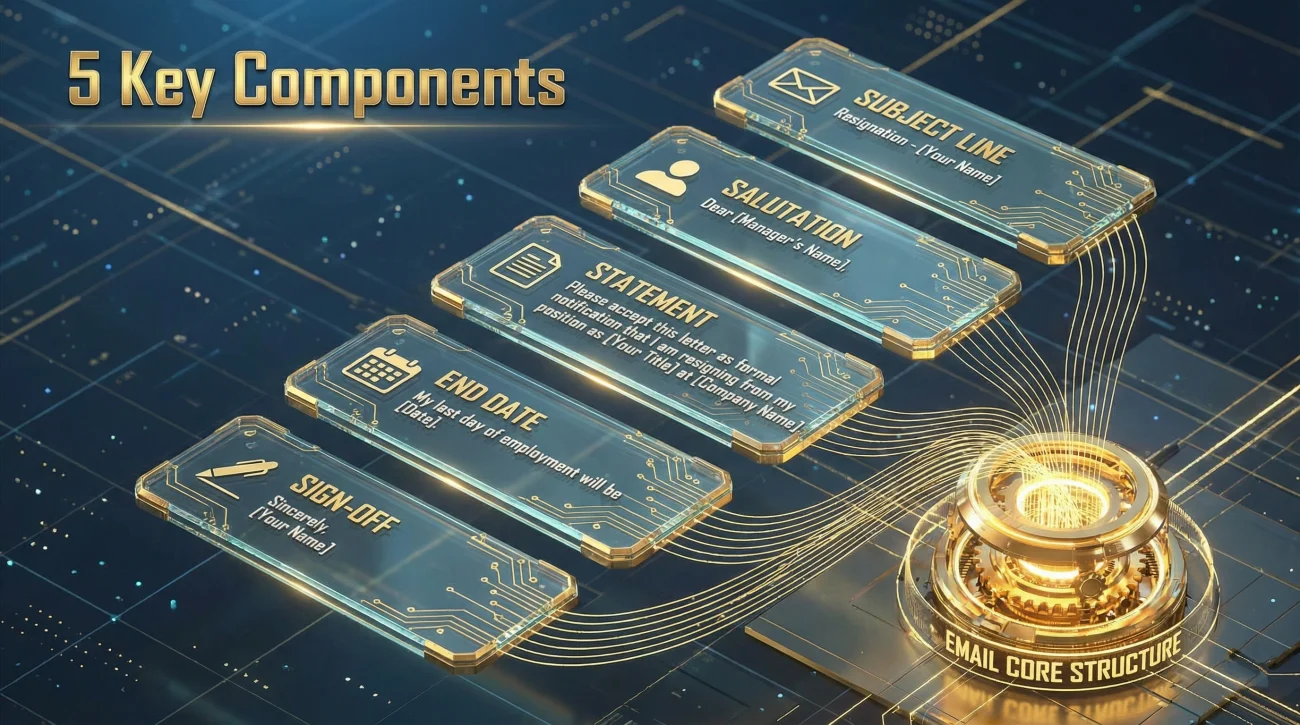
Subject Line: Get It Opened
Your subject line determines whether your manager reads the email immediately or lets it sit in their inbox. Keep it direct and professional:
- ✓ “Resignation – [Your Name]”
- ✓ “Notice of Resignation – [Your Name]”
- ✓ “Resignation – [Your Name] – [Your Position]”
Avoid vague subject lines like “Important” or “We Need to Talk.” Your manager should know exactly what the email contains before opening it. This isn’t the time for suspense.
Salutation: Address Your Manager Professionally
Start with a standard professional greeting. “Dear [Manager’s Name]” works in almost every situation. If you have a casual relationship with your boss, “Hi [First Name]” is acceptable, but when in doubt, lean formal.
Skip overly casual greetings like “Hey” or “What’s up.” Even if you’re friendly with your manager, this is an official business communication that will likely be forwarded to HR and possibly reviewed by legal.
The Statement: Say It Clearly in Line One
Your first sentence should state your resignation plainly. No buildup, no suspense, no apologies before getting to the point:
This direct approach shows respect for your manager’s time and prevents any confusion about your intentions. You can add context later, but the opening line should leave no room for interpretation.
The End Date: Be Specific
State your exact last day of work. Don’t say “in two weeks” or “at the end of the month.” Give the specific date:
If you’re following a standard two-week notice period, count carefully. Two weeks from the day you send the email, not from when they might read it. Account for weekends and holidays when calculating your final day.
The Sign-Off: Professional Closing
End with a standard business closing and your full name. “Sincerely” or “Best regards” work well. Include your contact information below your name in case they need to reach you after you’ve left:
- 📧 Personal email address
- 📱 Personal phone number
- 💼 LinkedIn profile (optional)
This ensures your manager can contact you about final paycheck questions, reference requests, or handover details even after you’ve lost access to company email.
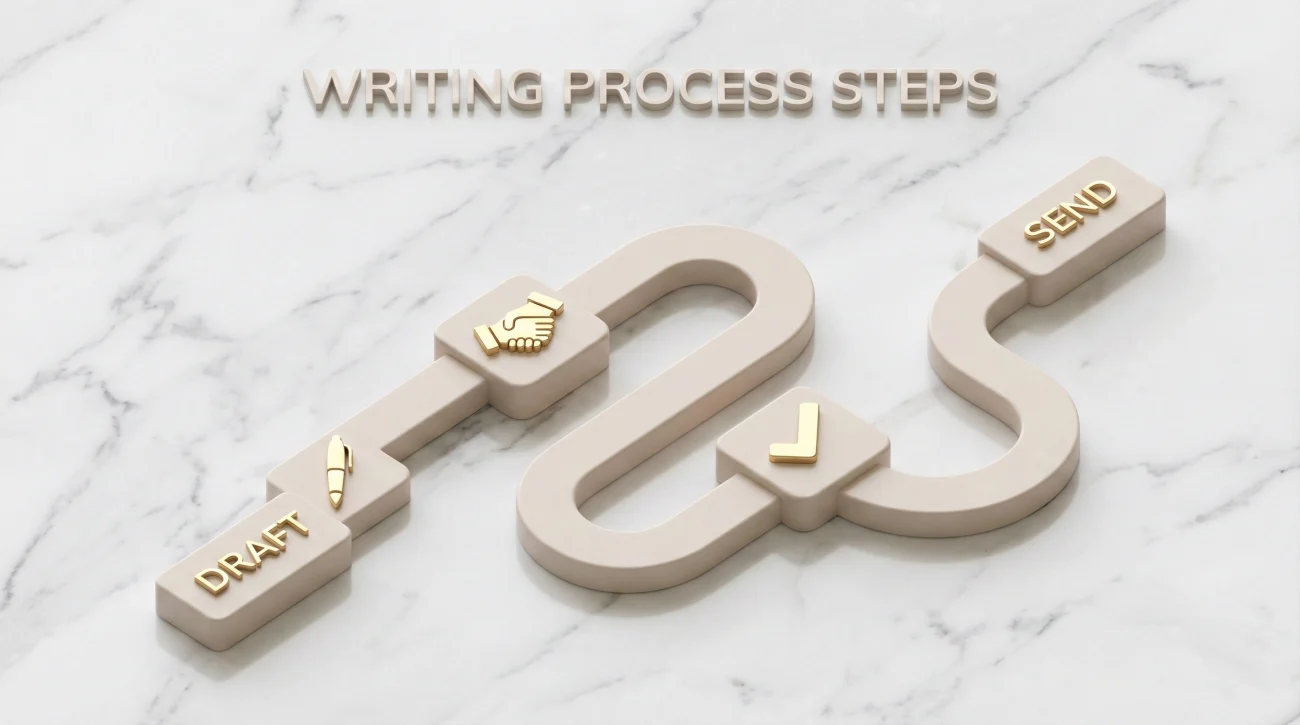
Step-by-Step Writing Guide
Now that you know what to include, here’s how to actually write the email from start to finish.
Choose the Right Tone of Voice
Your tone should be professional and neutral, regardless of why you’re leaving. Even if you’re escaping a toxic workplace or a terrible boss, your resignation email isn’t the place to air grievances.
Think of it this way: this email will likely be printed, filed in your HR record, and potentially reviewed if you ever need a reference. Write as if your future employer might read it, because they very well might.
Positive without being fake works best. You don’t need to gush about how wonderful the company is if you’re leaving because it’s not. A simple “I’ve appreciated the opportunity to work here” covers your bases without lying.
Write the Opening Paragraph
After your statement of resignation and end date, add one or two sentences of context. This is where you can mention your reason for leaving, if you choose to share one:
You’re not obligated to explain why you’re leaving. “Due to personal reasons” or “I’ve decided to pursue other opportunities” are perfectly acceptable. Keep it brief and avoid oversharing.
Offer to Help with the Transition
A handover offer shows professionalism and can help preserve the relationship. You don’t need to write a novel, just acknowledge that you’ll help make things easier:
If you want to be specific, mention that you’ll create documentation, train your replacement, or finish current projects. This demonstrates goodwill without overcommitting.
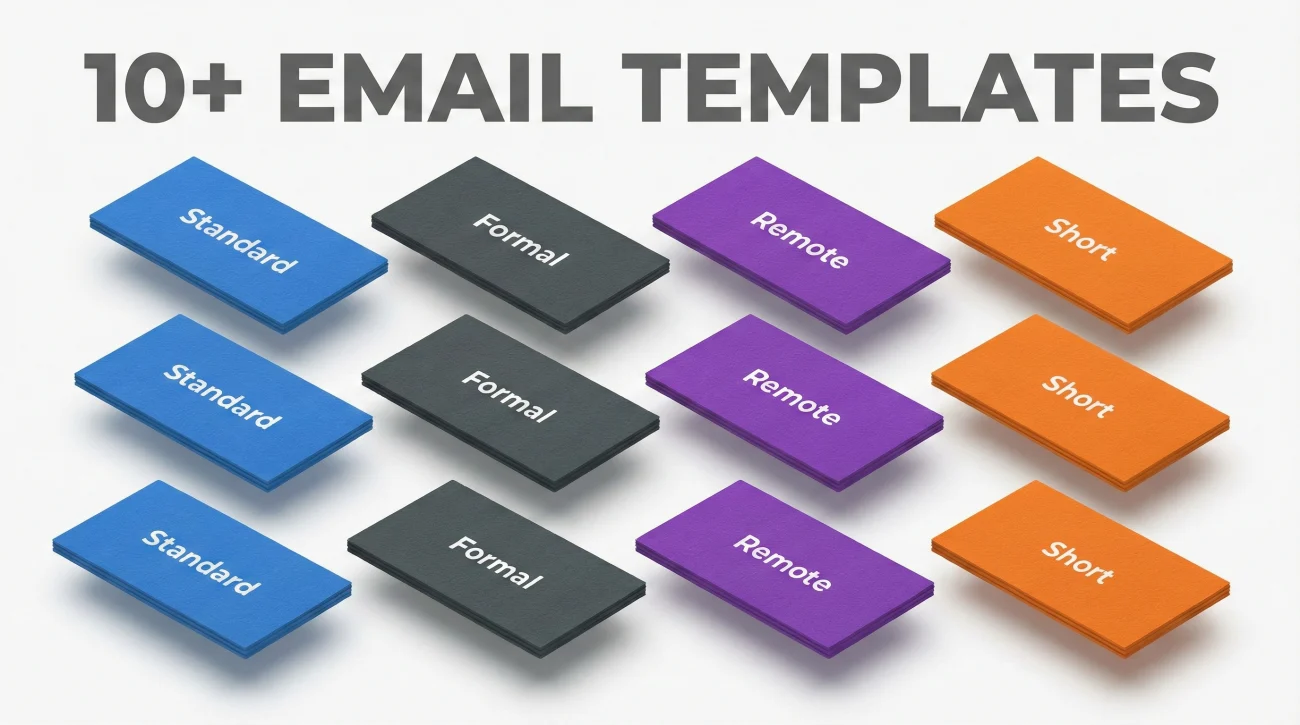
10+ Resignation Email Templates for Every Situation
Here are copy-paste templates you can customize for your specific situation. Replace the bracketed sections with your information.
Standard Template
This works for any industry and situation when writing a resignation email:
Subject: Resignation – [Your Name]
Dear [Manager’s Name],
I am writing to formally resign from my position as [Job Title] at [Company Name]. My last day of work will be [Date].
I have accepted a position that aligns with my career goals, but I want to thank you for the opportunities I’ve had here. I’ve learned a great deal and appreciate the support you’ve provided.
I’m committed to ensuring a smooth transition and will do everything possible to hand over my responsibilities effectively during my remaining time.
Please let me know how I can help make this transition as seamless as possible.
Sincerely,
[Your Name]
[Personal Email]
[Personal Phone]
Short Template
If you prefer brevity, use this simple resignation email format:
Subject: Resignation – [Your Name]
Dear [Manager’s Name],
I am writing to resign from my position as [Job Title], effective [Date].
Thank you for the opportunity to work with the team. I will ensure all my current projects are properly handed over.
Best regards,
[Your Name]
[Contact Information]
Gratitude Template
When you want to emphasize appreciation, this represents the best resignation email approach for maintaining relationships:
Subject: Resignation Notice – [Your Name]
Dear [Manager’s Name],
I am writing to formally resign from my position as [Job Title] at [Company Name]. My final day will be [Date].
I want to express my sincere gratitude for the opportunities I’ve had during my time here. Working under your leadership has been instrumental in my professional development, and I’ve gained skills that will benefit me throughout my career.
Over the next two weeks, I will focus on completing [specific project] and creating detailed documentation for my replacement. Please let me know if there are any specific priorities you’d like me to address during the transition.
Thank you again for everything. I hope we can stay in touch.
Warm regards,
[Your Name]
[Contact Information]
Formal Template
For corporate or conservative environments, this formal resignation email template maintains professional distance:
Subject: Formal Resignation Notice – [Your Full Name]
Dear Mr./Ms. [Manager’s Last Name],
I am writing to formally notify you of my resignation from the position of [Full Job Title] at [Company Full Name], effective [Day, Month Date, Year].
This decision was not made lightly, and I am grateful for the professional opportunities provided during my tenure with the organization.
I am committed to facilitating a comprehensive handover of my duties and responsibilities. I will prepare detailed transition documentation and remain available to assist with training my successor as needed.
Please advise on the next steps regarding the exit process and final administrative matters.
Respectfully,
[Your Full Name]
[Professional Contact Information]
Remote Worker Template
This Professional Resignation Email example addresses equipment return for remote positions:
Subject: Resignation – [Your Name] – [Position]
Dear [Manager’s Name],
I am writing to resign from my position as [Job Title]. My last working day will be [Date].
Since I work remotely, I want to confirm the process for returning company equipment. I currently have:
– Laptop: [Model]
– Monitor: [Model]
– Other equipment: [List]
Please let me know the preferred shipping method and address, and I’ll arrange return shipment immediately.
I’ll also ensure all company files are properly organized in [shared drive location] and that my team has access to everything they need.
Thank you for the opportunity to work with such a talented remote team.
Best regards,
[Your Name]
[Contact Information]
Two-Week Notice Template
Standard format with clear two-week timeline:
Subject: Two Weeks’ Notice – [Your Name]
Dear [Manager’s Name],
Please accept this email as my formal two weeks’ notice. I am resigning from my position as [Job Title], with [Date] being my final day of work.
I have valued my time at [Company Name] and appreciate the mentorship and opportunities for growth.
During my remaining two weeks, I will:
– Complete [current project]
– Document all processes and workflows
– Train [colleague name] on my key responsibilities
– Ensure all client communications are up to date
Please let me know if you’d like me to prioritize any specific tasks during this transition period.
Thank you,
[Your Name]
[Contact Information]
Short Notice Template
When you can’t give two weeks, acknowledge it directly:
Subject: Resignation – [Your Name]
Dear [Manager’s Name],
I am writing to resign from my position as [Job Title], with my last day being [Date].
I understand this is shorter notice than standard, and I apologize for any inconvenience. [Brief reason if appropriate: “Due to unforeseen personal circumstances” or “I’ve received an offer with an immediate start date.”]
I will do everything possible to wrap up my current responsibilities and document critical processes over the next [number] days.
Thank you for your understanding.
Sincerely,
[Your Name]
[Contact Information]
Better Opportunity Template
When leaving for a new position:
Subject: Resignation Notice – [Your Name]
Dear [Manager’s Name],
I am writing to resign from my position as [Job Title] at [Company Name], effective [Date].
I have accepted an opportunity that aligns closely with my long-term career goals in [field/industry]. This was not an easy decision, as I’ve genuinely enjoyed working with you and the team.
I’m grateful for the experience I’ve gained here, particularly [specific skill or project]. The knowledge and skills I’ve developed will be valuable as I take this next step in my career.
I’m committed to making this transition as smooth as possible and will ensure all my projects are completed or properly handed off.
Thank you for everything.
Best regards,
[Your Name]
[Contact Information]
Personal Reasons Template
When you prefer not to disclose details:
Subject: Resignation – [Your Name]
Dear [Manager’s Name],
I am writing to formally resign from my position as [Job Title], effective [Date].
Due to personal reasons, I’ve made the decision to step away from my current role. I appreciate the opportunities I’ve had at [Company Name] and the support you’ve provided during my time here.
I will work diligently over the next two weeks to ensure a smooth transition of my responsibilities.
Thank you for your understanding.
Sincerely,
[Your Name]
[Contact Information]
Immediate Effect Template
For urgent departures:
Subject: Resignation – Effective Immediately – [Your Name]
Dear [Manager’s Name],
I am writing to inform you of my resignation from [Job Title], effective immediately. Today, [Date], will be my last day.
[Brief explanation if appropriate: “Due to a family emergency” or “Due to health reasons” or simply omit this line]
I apologize for the abrupt notice. I will [return company property/complete handover notes/other immediate actions] by end of day today.
Thank you for the opportunity to work with the team.
Sincerely,
[Your Name]
[Contact Information]
Career Change Template
When pivoting to a new industry:
Subject: Resignation – [Your Name]
Dear [Manager’s Name],
I am writing to resign from my position as [Job Title], with [Date] as my final day of work.
After considerable thought, I’ve decided to pursue a career change into [new field]. While this means leaving [Company Name], I’m grateful for the skills and experience I’ve gained here that will help me in this transition.
I’ll ensure all my current projects are completed or properly transitioned before my departure date.
Thank you for your support and understanding.
Best regards,
[Your Name]
[Contact Information]
Common Mistakes to Avoid
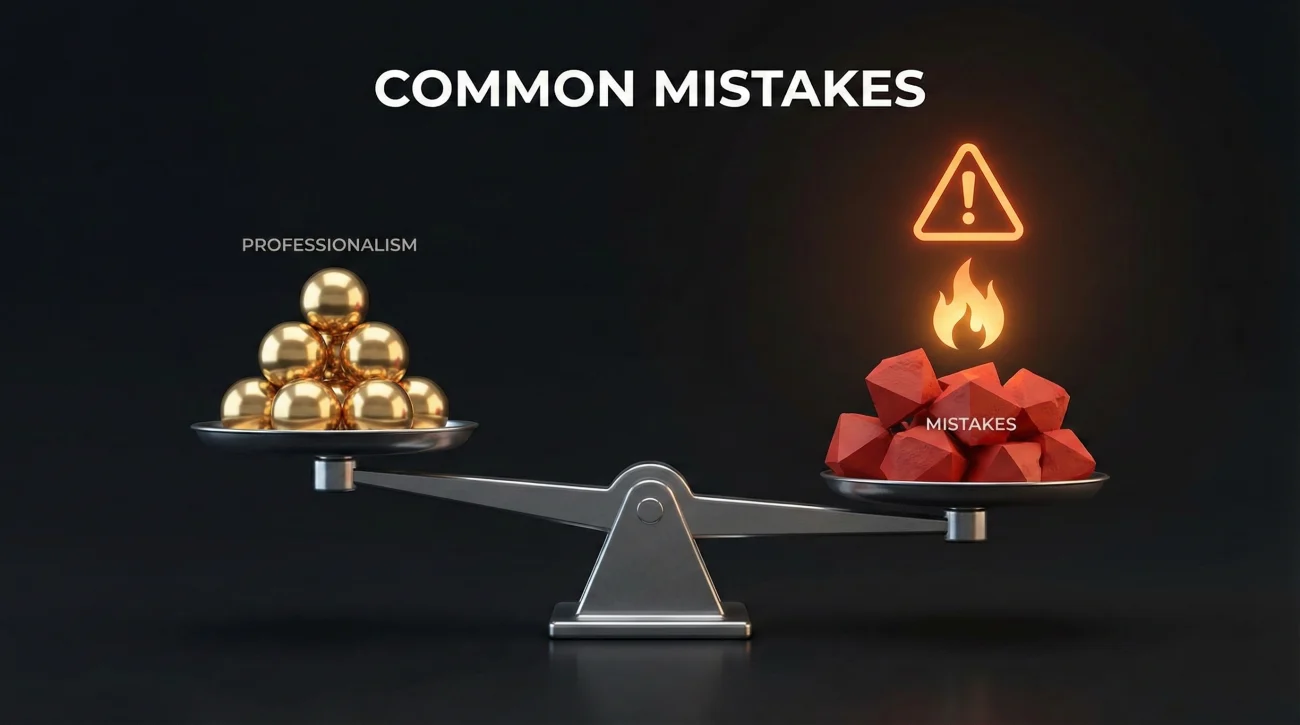
Even with good intentions, people make predictable mistakes when resigning. Avoid these pitfalls:
Don’t Burn Bridges
Never use your resignation email to complain, criticize, or settle scores. It might feel satisfying in the moment, but it can haunt you for years. Industries are smaller than you think, and people talk.
If you’re leaving because of a bad manager, toxic culture, or unfair treatment, save those thoughts for an exit interview or keep them to yourself entirely. Your resignation email should be so boring that HR could frame it on the wall as an example of professionalism.
Don’t Send When Angry
If you’re furious about something that happened at work, wait 24 hours before sending your resignation. Draft it if you need to, but let it sit overnight. Rage-quitting feels powerful until you realize you just nuked your reference and possibly damaged your reputation.
Take a walk, sleep on it, talk to someone you trust. Then, when you’re calm, decide whether you still want to resign and craft a professional message.
Don’t Overshare
Your resignation email isn’t therapy. You don’t need to explain your entire thought process, justify your decision with a detailed pros-and-cons list, or share intimate details about your next move.
Keep it simple: you’re resigning, here’s your last day, thank you for the opportunity. That’s it. Anything beyond that is optional and potentially risky.
Don’t Negotiate in the Email
If you’re hoping for a counter-offer or want to negotiate your exit, don’t do it in your resignation email. That conversation should happen face-to-face or over the phone, not in writing where it can be forwarded and scrutinized.
Use the email to deliver the news cleanly, then handle any negotiations in follow-up conversations.
Don’t Forget the Logistics
If you work remotely, mention how you’ll return equipment. If you have company credit cards, keys, or access badges, acknowledge that you’ll return them. If you have unused vacation days, you can ask about payout policies (though this is better saved for a separate conversation with HR).
These practical details show you’re thinking ahead and make the transition easier for everyone.
Explore Specific Resignation Scenarios
Every situation requires a slightly different nuance. If the templates above don’t fit your exact circumstances, we have detailed guides for specific formats, roles, and reasons. Explore our full directory below:
By Tone & Format
Finding the right tone is half the battle. Choose the style that matches your relationship with the company:
- 📝 Short Resignation Email (When you want to keep it brief)
- 👔 Professional Resignation Email (The standard corporate approach)
- 🕴️ Formal Resignation Email (For strict/traditional environments)
- ✨ Simple Resignation Email (Just the basics)
- ⭐ Best Resignation Email (Examples of high-impact exits)
- 📧 Resignation Email Subject Line (How to ensure your email gets opened)
By Reason for Leaving
Your “why” matters. Here is how to navigate specific motivations:
- 🏠 Resignation Email for Personal Reasons (Keeping it private)
- 🚀 Resignation Email for Better Opportunity (Moving up)
- 🛑 Resignation Email Due to Toxic Work Environment (Leaving safely)
- 💰 Resignation Email for Salary (Leaving for better pay)
- 📈 Resignation Email for Career Growth (Seeking development)
- ⌚ Resignation Email Due to Schedule Conflict
By Notice Period
Timing isn’t always perfect. Here is how to handle different timelines:
- 📅 Two Weeks Notice Email (The industry standard)
- ⚡ Immediate Resignation Email (No notice / Effective today)
- ⏰ Short Notice Resignation Email (Less than 2 weeks)
- ↩️ Withdraw Resignation Email (Oops, I changed my mind)
By Role & Industry
Specific professions have specific protocols:
By Recipient & Process
Who are you sending this to, and what happens next?
- 👤 Resignation Email to Manager (Direct Supervisor)
- 🏢 Resignation Email to HR (Human Resources)
- 🤝 Resignation Email to Clients (External stakeholders)
- 👋 Resignation Email to Coworkers (Saying goodbye to the team)
- 📩 Follow Up on Resignation Email (Did you get my email?)
- ✅ Resignation Email Response (How managers should reply)
❓ FAQ
📧 Who should I send my resignation email to?
⏰ What’s the best time to send a resignation email?
💼 Do I need to give a reason for resigning?
📝 Should I send a resignation email and a letter?
🤝 What if my manager wants to meet before I send the email?
Final Thoughts
Learning how to write a resignation email is a skill you’ll hopefully only need a few times in your career, but getting it right matters. The way you leave a job affects your professional reputation, your references, and sometimes even your industry network.
Keep it simple, keep it professional, and keep it brief. State your resignation clearly, provide your end date, express appropriate gratitude, and offer to help with the transition. That’s the formula that works across industries, situations, and relationships.
Remember: a good resignation email format isn’t about writing the perfect goodbye or crafting a memorable exit. It’s about handling a professional obligation cleanly and moving forward without unnecessary drama or burned bridges.
Whether you’re escaping a toxic situation, pursuing a better opportunity, or simply ready for a change, your resignation email should be something you can look back on without regret. When in doubt, be more professional than you think necessary. Your future self will thank you.
⚠️ Legal Disclaimer: ResignSmartly provides general informational guidance about resignation, workplace communication, notice periods, handovers, and career transitions. Content does not constitute individualized legal advice. Employment laws, contracts, workplace policies, and individual circumstances vary, so review the requirements that apply to your situation and consult an appropriate qualified professional when needed.