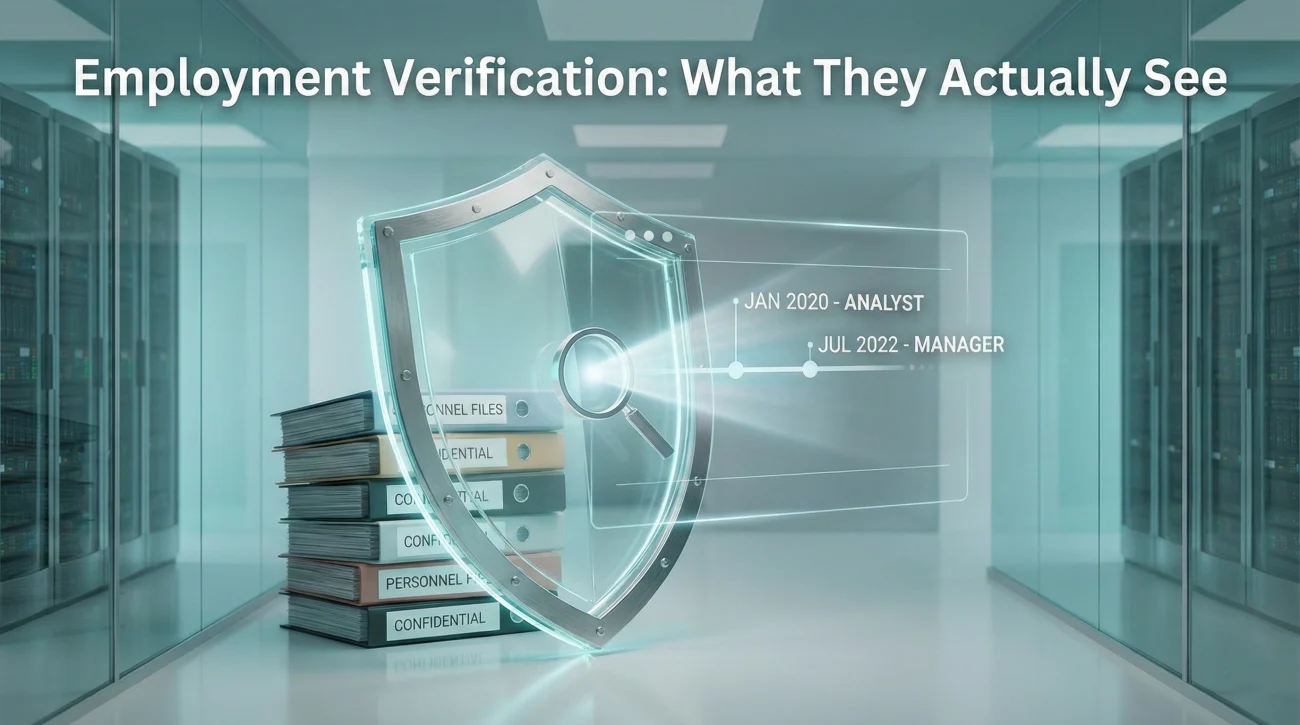
What Does “Employment Verification” Actually Reveal? A Mythbusting Guide
Employment Verification Check

What verification usually confirms: Employment dates, job title, employment status, sometimes location. Myth vs reality: Most employers avoid sharing performance or “why you left,” verification is often HR or a standardized system. Salary is situational: It can appear in regulated or process-heavy checks, so keep your story consistent and negotiate on market value. The quiet … Read more
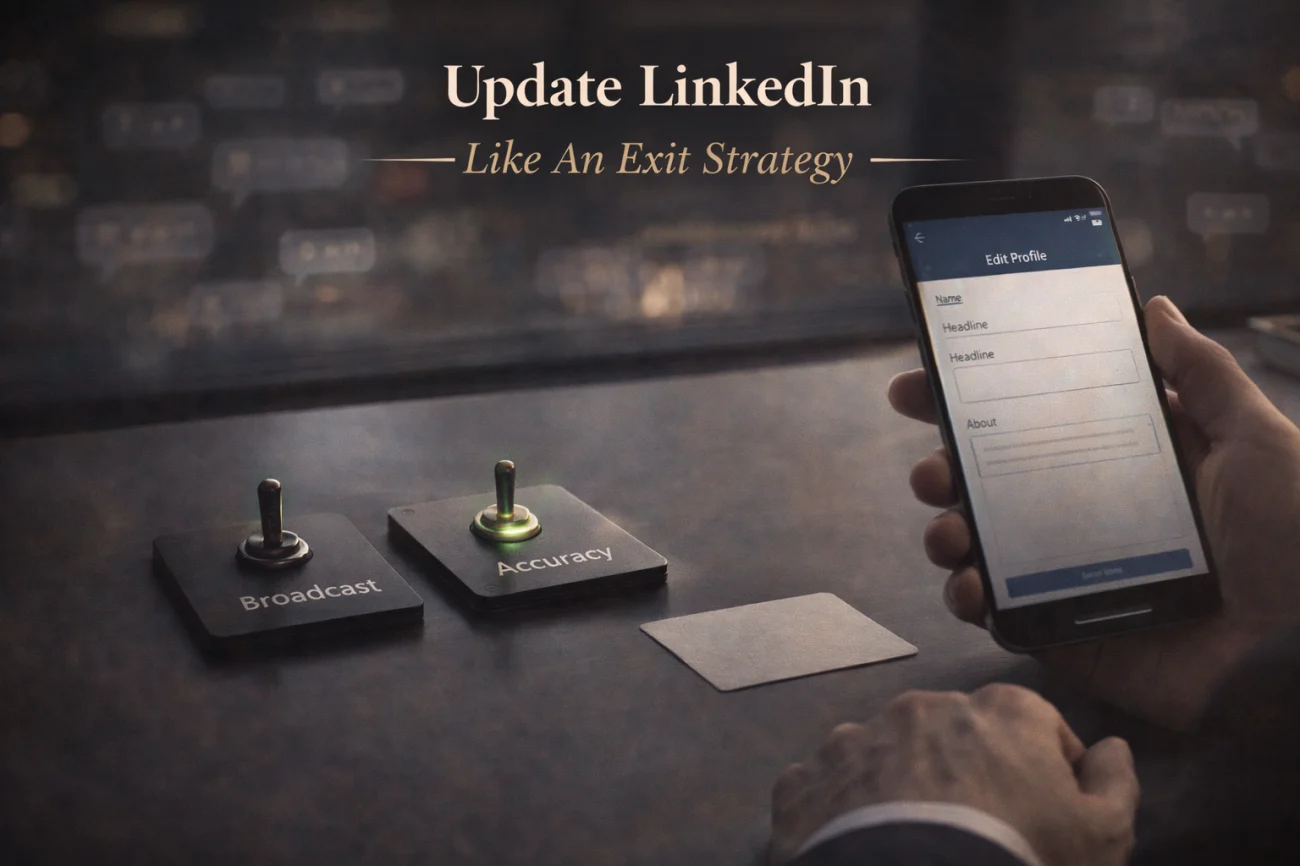
When (and How) to Update Your LinkedIn Status After Quitting

Update Linkedin After Quitting

Core rule: Do not let LinkedIn announce your resignation before your manager and team hear it first. Safest timing: Update after your last working day if politics are tense, or after your team has been informed in normal workplaces. Low-drama order: Turn off update broadcasts, update About and skills quietly, then adjust experience dates when … Read more

How to Answer “Why Did You Leave?” Without Badmouthing Anyone

Interview Question Why Left

What they are testing: “Why did you leave?” is a risk scan for instability, conflict, and whether your story will repeat. Golden rule: Never badmouth anyone, even if you were right, because the interview is not a courtroom. Best framework: Past → Pivot → Future, one neutral fact, one lesson, then why this role fits. … Read more

(Don’t Just Ask) How to Get a Glowing Reference Letter

Reference Letter Request

Core idea: Treat a reference letter request as a small project, ask for a strong letter, and make it easy to write. Timing: Ask right after visible wins or before you leave, while details are still fresh in their mind. Who to ask: Choose people who directly observed your work and can describe outcomes, avoid … Read more

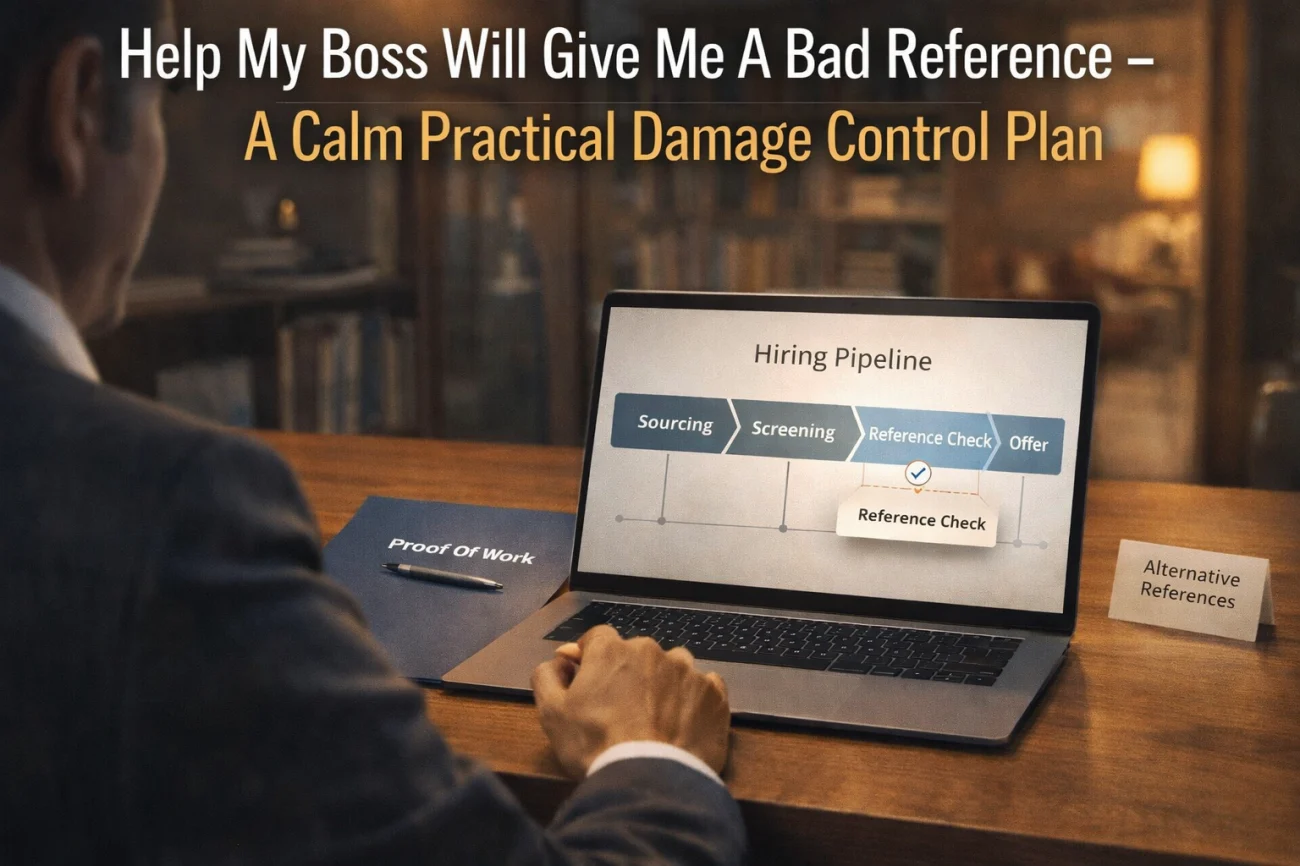
Help! My Boss Will Give Me a Bad Reference: A Calm, Practical Damage-Control Plan

Bad Reference Check

What a bad reference looks like: Subtle signals like pauses, dates only confirmation, lukewarm tone, or “Wouldn’t rehire.” First principle: Don’t make the risky manager the gatekeeper, reroute credibility to people who saw your work directly. Build proof and redundancy: Collect clean performance receipts, then line up 3–5 references with clear angles. Create a neutral … Read more

How to Ask for a Formal Reference Letter (Email Templates)

Request For A Reference Letter

Core idea: Reference letters are easy to get when you make “Yes” the lowest-effort option for a busy manager or professor. When you actually need a formal letter: Government or security clearance, Academia and fellowships, Visas and global mobility, Executive and board roles. Silver Platter method: Attach a briefing doc with Goal, Narrative, Evidence, Logistics … Read more