
- Shift: Quitting to be a stay-at-home mom is a full household business model change from salary plus benefits to one system carrying everything.
- Budget: Build two modes, a normal month and a stress month, so one surprise bill does not turn into panic and resentment.
- Benefits: Confirm in writing when health coverage ends, then choose a no-gap path using a partner plan, COBRA, or a marketplace plan.
- Runway: Set a savings buffer that covers at least one stress-month scenario plus irregular bills and one-time transition costs.
- Exit and future: Keep the resignation professional with a clean handover, then maintain a light-touch career connection so returning later stays possible.
This Isn’t Just a Resignation, It’s a Business Model Change
Deciding on quitting to be a stay at home mom isn’t only about feelings, identity, or whether you’ll miss the team. It’s a full financial transition: from two predictable systems (salary + benefits) to one system that has to carry everything.
The biggest mistake isn’t quitting. The biggest mistake is quitting without a plan that handles the boring-but-deadly details: cash flow, insurance timing, childcare trade-offs, taxes, and the small monthly costs that quietly multiply when one person is home all day.
This guide gives you a practical path. Not “follow your heart.” A real plan you can run like a checklist.
The Reality Check Most Couples Skip
Going from two incomes to one income changes how stress moves through the house. When the paycheck disappears, tiny financial surprises become emotional surprises. That’s why you want clarity before your last day, not after.
Ask the question that prevents resentment
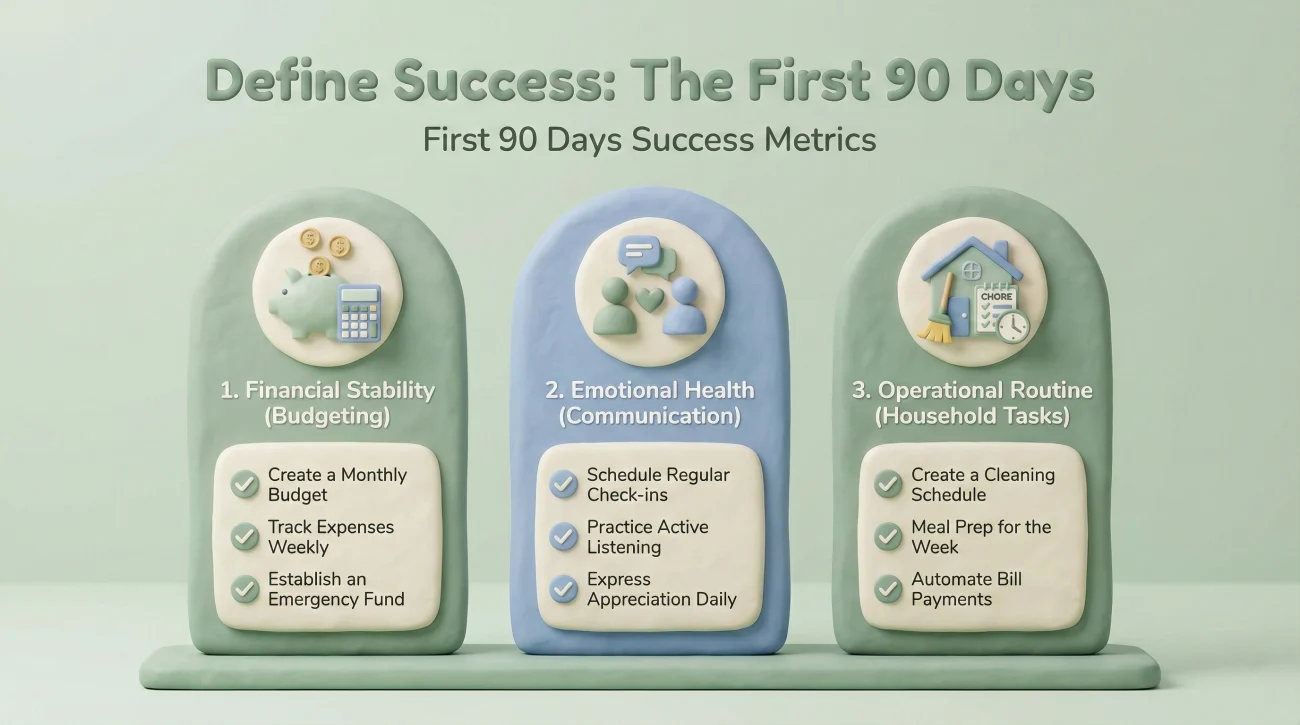
“What does success look like for our family in the first 90 days?” If you don’t define success, you’ll default to fighting about chores, spending, and “who works harder” the first time you’re both exhausted.
Name the hidden costs of staying home
- Higher utilities and groceries (you’re home, you’re feeding people more often).
- More small purchases (household items, kid supplies, convenience spending).
- Less time for “admin tasks” unless you intentionally plan them (insurance forms, appointments, errands).
- Career cost (you may return later, but timing matters).
Your One-Income Budget Needs Two Modes
The simplest version of financial planning one income is this: your budget needs a normal month and a stress month. Most families only plan for the normal month, then feel blindsided when something breaks, someone gets sick, or the car needs work.
Mode 1: Normal month (your baseline)
This is your “we are fine” month. It covers essentials, predictable bills, and a realistic amount of spending that keeps your family functional, not miserable.
Mode 2: Stress month (your safety month)
This is your “we take a hit and don’t panic” month. It assumes one surprise cost or one income disruption. You don’t need to live in stress month forever, but you need to know what you would cut first if things tighten.
| Category | Normal month | Stress month (what changes) |
|---|---|---|
| Housing + utilities | Stable payments | Cut usage where possible, delay non-urgent upgrades |
| Food | Groceries + planned convenience | Reduce takeout, tighten grocery plan |
| Transportation | Fuel + maintenance | Pause discretionary driving, delay non-critical expenses |
| Subscriptions | Keep the ones you use | Cancel anything “nice to have” |
| Health | Premiums + known meds | Confirm coverage, avoid coverage gaps |
| Savings | Consistent contribution | Reduce (not eliminate) if needed |
Benefits Timing: Don’t Let Insurance Be the Surprise

Before you resign, you need one clear answer in writing from HR: “When does my health coverage end?” It’s not always your last working day. Some plans extend to the end of the month. Some don’t. You don’t guess this.
Your three most common paths
- Join your partner’s plan: often the cleanest option if a special enrollment window applies.
- COBRA: expensive, but continuity can matter if care is ongoing.
- Marketplace plan: may be cheaper depending on income and timing.
The decision rule that keeps you sane
If you have ongoing treatment or you’ve already met deductibles, continuity may be worth extra cost for a window of time. If not, prioritize affordability and stability. The goal is zero gaps.
Your Runway: How Much Buffer Do You Actually Need?
Most families ask, “How much savings is enough?” A more useful question is: “How long can we run the household with one income and zero panic?”
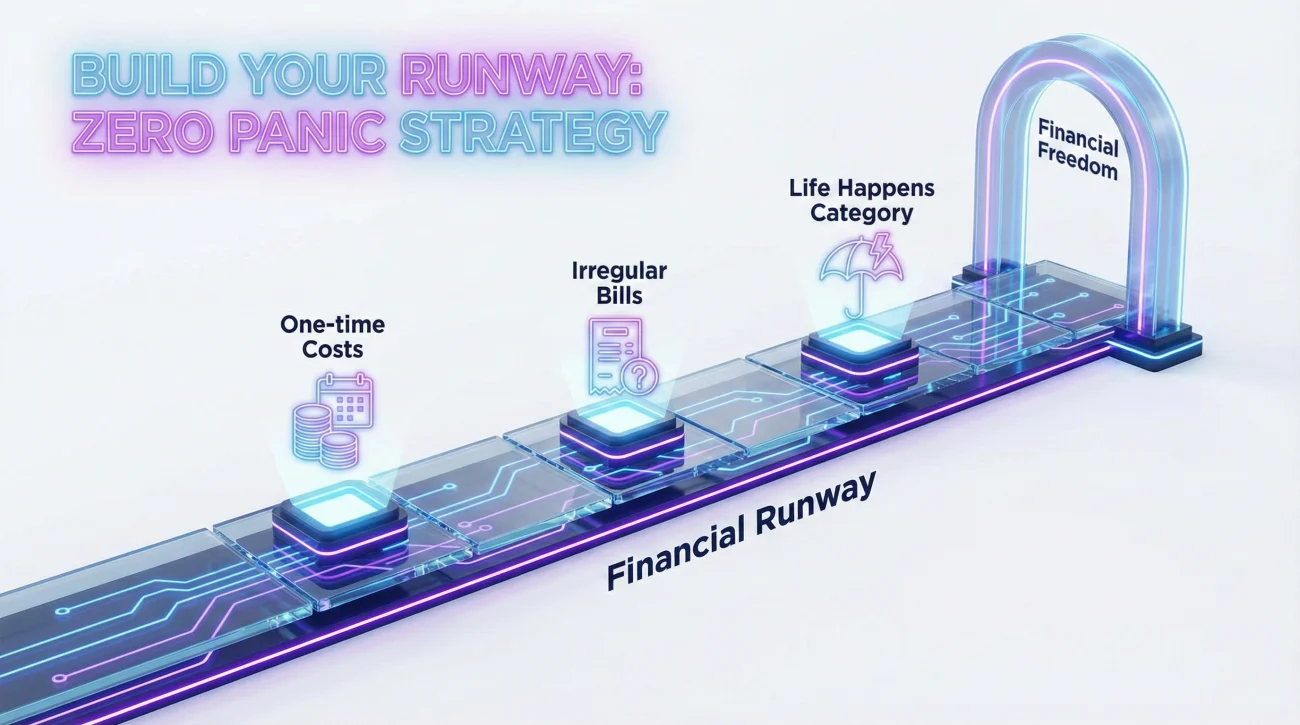
A practical target for many families is to build a runway that covers at least one stress-month scenario. That runway isn’t about fear. It’s about preventing the most common failure mode: you resign, then you feel forced to re-enter quickly in a worse job because cash pressure becomes a boss.
Your runway checklist
- One-time costs: final daycare month, equipment purchases, health coverage changes.
- Irregular bills: car insurance, school fees, annual subscriptions.
- “Life happens” category: medical, repairs, travel for family emergencies.
How to Exit Work Cleanly Without Over-Explaining Your Life
Your resignation doesn’t need to defend your family decisions. It needs to be professional, clear, and easy to process.
Keep it simple, especially if you’re using this job as a future reference.
If you want a clean structure, use this guide: how to write a resignation email. For overall tone and behavior, this checklist helps: resignation etiquette.
A manager conversation script (short and calm)
Script:
“I wanted to speak with you directly. I’m resigning from my role. My last working day will be [date], based on my notice period. I’m making a family decision to step away for a period of time, and I’m committed to a smooth transition. I’ll document current responsibilities and support handover before my last day.”
Resignation email template (neutral, no oversharing)
Subject: Resignation
Hi [Manager Name],
Please accept this email as formal notice of my resignation. My last working day will be [date], in accordance with my notice period.
I appreciate the opportunity to work with the team. Between now and my last day, I will document my responsibilities, provide status notes on active work, and support a smooth handover.
Thank you,
[Your Name]
If you prefer to mention a reason without getting personal, use neutral wording patterns here: resignation letter with reason.
Your Handover Should Protect Your Future Self

When you leave to become a stay-at-home parent, you’re not only leaving a job. You’re leaving a version of your professional identity on the desk. A clean handover protects your future self, because it keeps your reputation intact if you want to return later.
The handover assets that matter most
- Status list: what’s in progress, what’s blocked, what’s next.
- Ownership: who owns what after your last day.
- Links: docs, dashboards, ticket queues, shared folders.
- Risks: what might break and what to watch for.
If you need a structured handoff email format, use: handover email templates.
Staying Home Doesn’t Mean Disappearing Professionally
The most common fear in transitioning to sah is not boredom. It’s “What happens to my career if I step away?” You don’t need a full side hustle to stay connected. You just need a light-touch plan that keeps your identity intact.
The “minimum viable professional connection” plan
- Keep one professional relationship warm (a quarterly coffee or check-in).
- Keep a simple brag doc: wins, skills, and projects you led before you left.
- Do one small thing per quarter that signals relevance (a course module, a project, a certification lesson).
If you want optional income later
Think in “light” work, not full work. Small freelance projects, consulting, or part-time roles can keep your confidence and resume alive without turning home life into another office. The key is intention: the home role is the main job, and everything else must fit around it.
The Stay-at-Home Transition Checklist
This checklist is designed to prevent the classic chaos: you resign, then you spend two months reacting to problems you could have predicted in one afternoon.
| Before you resign | During notice period | First 30 days at home |
|---|---|---|
| Confirm insurance end date and next coverage plan | Document work and transfer ownership | Run the normal-month budget for real |
| Build normal + stress-month budgets | Close loops with key stakeholders | Set household routines (not perfection) |
| Set a runway buffer for surprises | Return equipment and confirm receipts | Track spending weekly (short check-in) |
| Align with partner on success metrics | Send a calm team goodbye if appropriate | Schedule one professional touchpoint |
If you want a polite final message to colleagues, use: goodbye email templates.
❓ FAQ
💬 Should I tell my employer I’m leaving to be a stay-at-home parent?
You can, but you don’t have to. A high-level reason is enough. Your resignation should focus on timing and transition, not personal justification.
🧾 What’s the biggest financial mistake people make when switching to one income?
Planning only for a normal month and ignoring the stress month. One surprise expense can turn the decision into panic if there’s no buffer and no “cut list.”
🏥 When should I sort out health insurance?
Before you resign. Confirm the end date of your current coverage in writing and decide the next coverage path so you avoid gaps and last-minute scrambling.
📌 How do I keep my career options open while staying home?
Keep a light-touch plan: one warm relationship, one document of past wins, and one small relevance action per quarter. It doesn’t need to be big; it needs to be consistent.
🤝 What if my partner and I disagree about money after I quit?
Get specific. Define what success means in the first 90 days, agree on a normal-month budget and a stress-month budget, and choose a weekly 15-minute check-in. Most conflict comes from ambiguity, not malice.
Final Thoughts
Quitting to be a stay at home mom is a valid, powerful choice when it’s made with clarity and support. The goal isn’t to “make it work somehow.” The goal is to design the transition: two-mode budgeting, benefits timing, a clean exit at work, and a plan that keeps your future options open.
When the financial side is handled well, the emotional side becomes lighter. You stop negotiating with fear, and you start building the version of family life you actually wanted.
⚠️ Legal Disclaimer: The resignation templates, email samples, and professional guidance provided in this guide are for informational purposes only and do not constitute legal advice. Employment laws and contract requirements vary by jurisdiction and individual circumstances. Please review your employment agreement and consult your HR department and/or a qualified attorney to ensure compliance with applicable laws and policies.