
- Why COBRA feels brutal: You’re now paying the full premium plus possible admin fees, so the sticker shock is the real price.
- Three cheaper paths to compare first: Marketplace plans, Spouse or partner employer coverage, Medicaid or CHIP if your income drops.
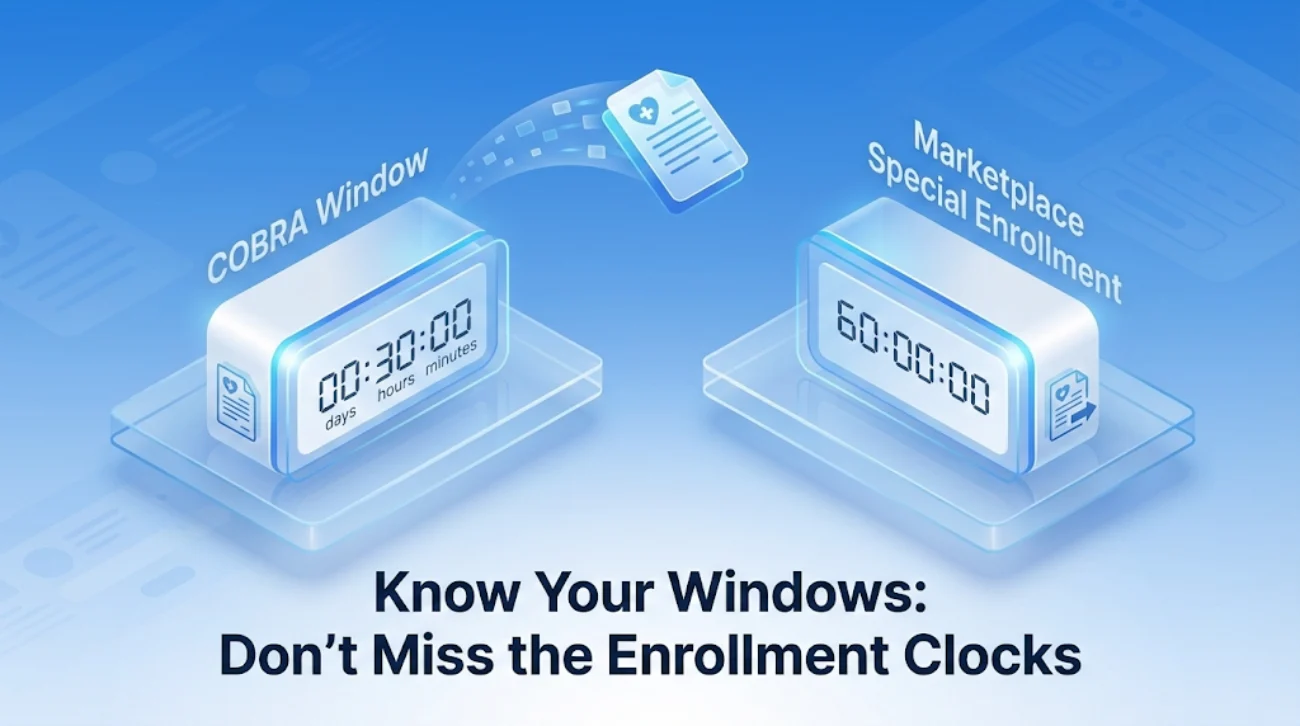
- Deadlines that decide everything: Track the COBRA election window, Marketplace Special Enrollment window, and spouse plan special enrollment window to avoid gaps.
- Fast decision framework: Treatment and same doctors means start with COBRA, Cost focus means start with Marketplace, Need something quick means start with spouse coverage.
- No-gap execution: Confirm coverage end date in writing, price Marketplace, request COBRA details, check spouse enrollment rules, document every date and confirmation.
COBRA Feels Like a Scam Because You’re Seeing the Full Price
The first time people look at COBRA premiums, they usually think something is broken. Last month you had “decent” insurance. This month, you’re staring at a bill that looks like a car payment. That whiplash is exactly why so many people start searching for cobra alternatives the moment they leave a job.
COBRA isn’t always a bad choice. It’s just often the most expensive one. The smart move is to compare it against three cheaper paths before you commit: a Marketplace plan, coverage through a spouse or partner, and Medicaid/CHIP (if you qualify). The goal is simple: keep coverage without lighting money on fire.
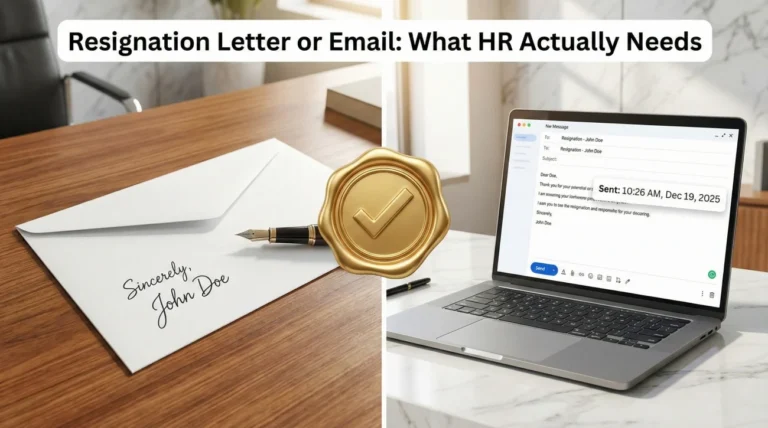
If you’re still planning your exit date and notice period, keep your resignation itself clean too: resignation letter with notice period.
Why COBRA Is So Expensive (In One Sentence)
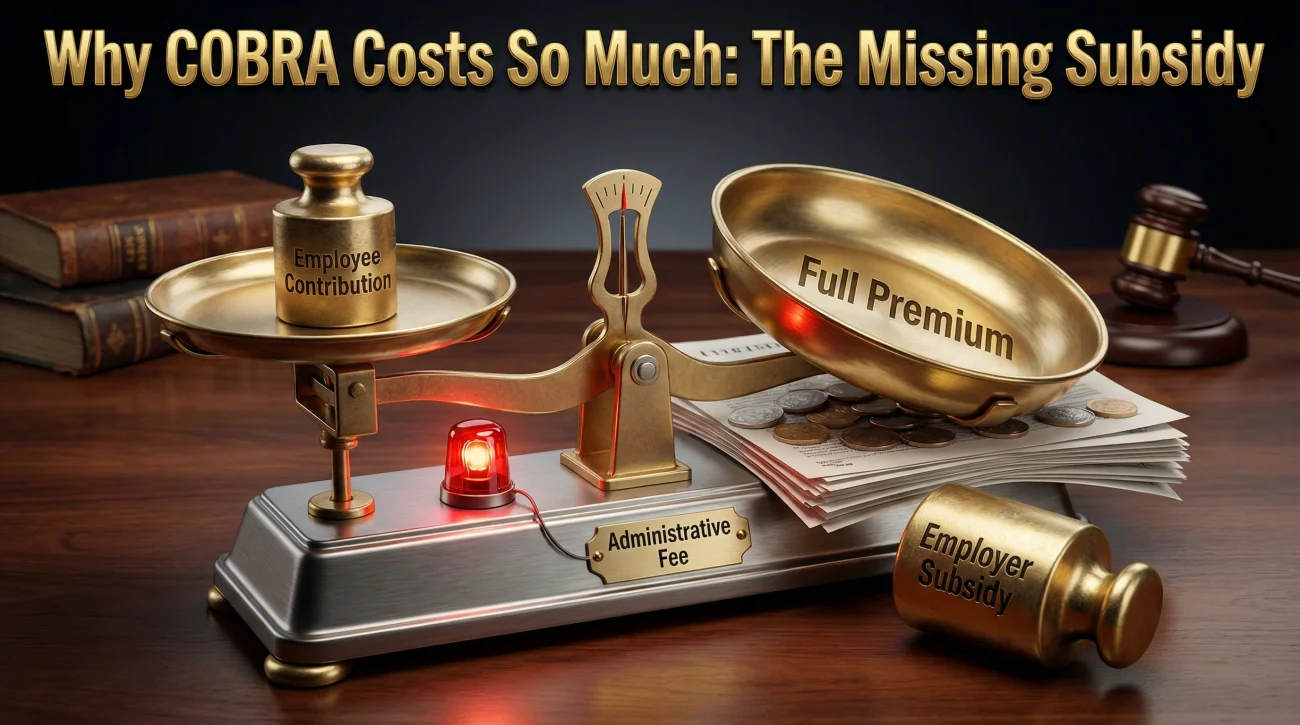
COBRA often feels brutal because your employer is no longer subsidizing your premium – so you’re paying the full cost of the plan, plus an additional administrative fee in many cases.
That’s why the right question usually isn’t “Is COBRA legal?” The right question is: “Is COBRA worth it for my specific situation, or is there a cheaper option with similar protection?”
Before You Choose: Know the Two Deadlines That Matter
People lose money (or create coverage gaps) because they don’t realize they’re juggling multiple enrollment clocks at the same time. You don’t need to memorize everything. You just need to know what windows you’re operating inside.
COBRA election window
COBRA generally gives you a period to elect coverage after your employer-sponsored benefits end. One reason COBRA can be useful is that if you elect within the allowed window, coverage can be retroactive to the date your prior coverage ended – so you don’t necessarily have to decide on day one.
Marketplace Special Enrollment window
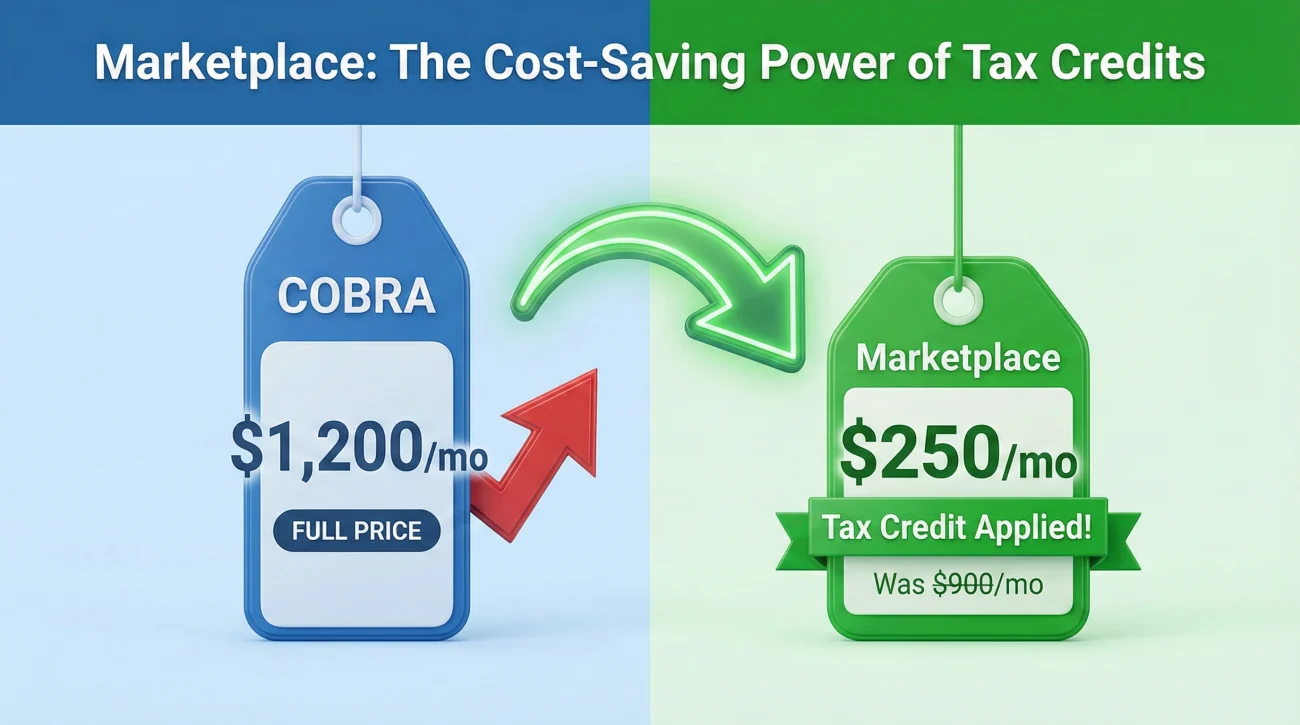
Losing job-based coverage can qualify you for a Special Enrollment Period for a Marketplace plan. This is often where the biggest savings live, because Marketplace coverage may come with premium tax credits depending on income.
Spouse/partner employer plan special enrollment window
Many employer plans must allow a special enrollment window after you lose other coverage. This option can be surprisingly affordable if your spouse/partner’s plan has strong employer subsidies.
Alternative 1: A Marketplace Plan Can Be Cheaper Than COBRA
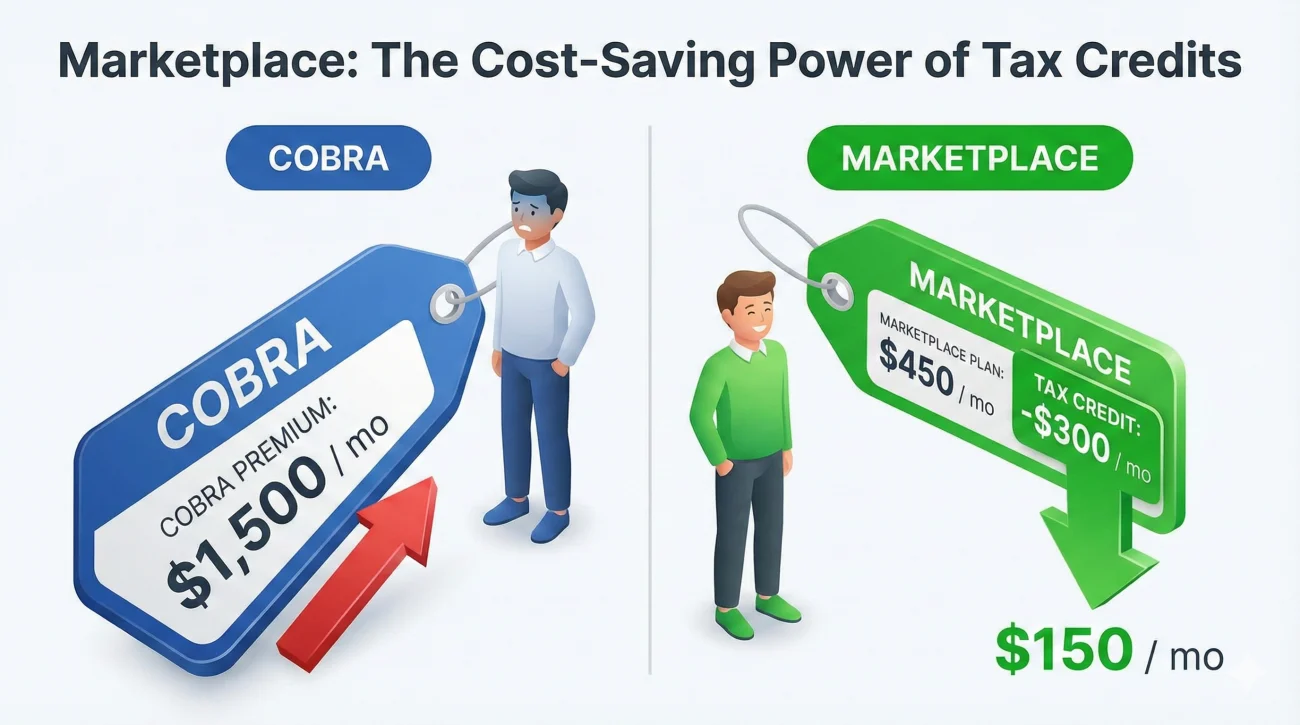
If you’re comparing health insurance marketplace vs cobra, the Marketplace is usually the first place to check. The main advantage is cost: Marketplace plans may be eligible for savings that COBRA doesn’t offer, especially if your income drops after you leave a job.
When the Marketplace tends to win
- Your COBRA premium is high and your post-job income is lower than your old salary.
- You don’t need to keep the exact same provider network.
- You want a longer-term plan while you search, freelance, or pivot careers.
When COBRA can still beat the Marketplace
- You are mid-treatment and switching networks would be disruptive.
- You already hit a deductible/out-of-pocket maximum and need continuity.
- You need your current plan’s specific doctors and prescriptions.
Practical tip: even if you think you’ll choose COBRA, compare Marketplace pricing first. It’s often the difference between “painful” and “manageable.”
Alternative 2: Join a Spouse or Partner’s Employer Plan
If you have access to a spouse/partner’s job-based insurance, this can be the simplest path. It’s often cheaper than COBRA because the employer may subsidize part of the premium. The catch is timing: you generally need to request enrollment within the plan’s special enrollment window after your coverage ends.
Best for
- You want one household plan and predictable monthly costs.
- Your spouse/partner’s plan has a strong network and good pharmacy coverage.
- You want a quick fix with less shopping and fewer plan comparisons.
Watch-outs
- Some plans have narrower networks or different prescription formularies.
- Employer plans can have strict documentation requirements (proof of loss of coverage).
- You must hit the enrollment window – don’t assume exceptions are automatic.
Alternative 3: Medicaid or CHIP If You Qualify
This is the most overlooked option because people assume they won’t qualify. But if your income drops after leaving a job, Medicaid (and for children, CHIP) can become a real option. Medicaid enrollment can be available year-round, and in many cases coverage can be effective based on your application timing – sometimes even retroactively if you would have been eligible earlier.
Best for
- Your household income drops significantly after job loss or resignation.
- You need low premiums and low out-of-pocket costs.
- You want stable coverage while you rebuild income or search for a new role.
Watch-outs
- Eligibility rules vary by state and household situation.
- Provider access can be different than employer plans.
- You should apply as soon as you think you might qualify to avoid gaps.
A Fast Decision Framework: Which Option Should You Check First?
If you want the quick path, use this sequence. It’s not perfect, but it’s a clean starting point.
If you’re in treatment and need the same doctors
Start with COBRA. Then compare Marketplace pricing as a backup. Continuity can be worth paying for, especially if switching networks would disrupt care.
If cost is the main problem
Start with the Marketplace, then check spouse/partner coverage, then check Medicaid/CHIP eligibility. COBRA becomes the “only if needed” option.
If you just need something fast and stable
Spouse/partner employer coverage is often the quickest “set it and forget it” path, assuming you can meet the special enrollment deadline and the plan fits your needs.
The No-Gap Coverage Checklist
Most mistakes happen because people delay paperwork until after their last day, then panic when the first medical bill arrives.
Use this checklist to keep your coverage story boring.
| Task | Why it matters |
|---|---|
| Confirm your coverage end date | Your last day of work may not equal your last day of coverage |
| Request COBRA details in writing | So you know your election window, premium, and start date rules |
| Price a Marketplace plan | Often the biggest cost savings option, especially if income drops |
| Check spouse/partner plan enrollment rules | Many plans require enrollment within a limited special window |
| Check Medicaid/CHIP eligibility | Year-round enrollment may be available; apply early to avoid gaps |
| Document everything | Dates, confirmations, screenshots – so you can prove what you selected |
When you’re sending your resignation email, keep it clean and short so you’re not negotiating benefits inside the same message: how to write a resignation email.
Two Emails That Make HR Move Faster
You don’t need to argue. You need clear questions, in writing, with dates. These templates help you get the information you need without sounding anxious or combative.
Template 1: Ask HR for your COBRA details and coverage end date
Subject: Benefits End Date and COBRA Details
Hi [HR Name],
I’m confirming my benefits information as I prepare for my transition out of the company. Could you please confirm:
- The exact end date of my current health insurance coverage
- When I will receive COBRA election materials and how to elect coverage
- The monthly premium amount and payment process
Thank you for your help. A written confirmation of these details would be appreciated for my records.
Best,
[Your Name]
Template 2: Ask spouse/partner’s HR for special enrollment instructions
Subject: Special Enrollment Request After Loss of Coverage
Hi [Benefits Contact Name],
I recently lost job-based health coverage and would like to request special enrollment to join my spouse/partner’s plan. Please let me know:
- The deadline to submit the enrollment request
- What documentation you need (proof of loss of coverage, dates, forms)
- When coverage would begin if approved
Thank you,
[Your Name]
[Phone Number]
If you want your overall exit to stay professional (so you don’t burn bridges while asking benefits questions), keep this open as your baseline: resignation etiquette.
❓ FAQ
💸 Is COBRA always the worst option?
Not always. COBRA can be worth it if you need the same doctors, you’re in ongoing treatment, or you already met your deductible/out-of-pocket maximum and continuity matters more than price.
🧾 Can I delay the decision while I compare Marketplace plans?
Often, yes. You typically have an election window to choose COBRA, and Marketplace plans often have a Special Enrollment window after losing job-based coverage. The safest approach is to confirm your exact dates and deadlines in writing, then compare quickly.
👫 Can I join my spouse/partner’s insurance after I lose my job coverage?
Many employer plans must offer a special enrollment period after loss of other coverage, but the enrollment window can be limited. Ask for the deadline and required documents immediately.
🏥 What if my income drops after I quit – does that change my options?
Yes. A lower income can make Marketplace subsidies more likely, and it can also affect Medicaid/CHIP eligibility. If income is changing, update your application information promptly so you see the right pricing and eligibility results.
🧠 What’s the biggest mistake people make with COBRA alternatives?
Missing deadlines because they assume coverage decisions can wait. Confirm coverage end dates, enrollment windows, and required paperwork early – then choose the most cost-effective option that still protects your medical needs.
Final Thoughts
COBRA is expensive because you’re paying the real price of the plan. That doesn’t make it useless – it just means it shouldn’t be your only idea. Compare a Marketplace plan, spouse/partner coverage, and Medicaid/CHIP before you lock yourself into the highest-cost option.
The best outcome is boring: no gaps, no surprises, and a monthly premium you can actually live with while you move to your next chapter.
⚠️ Legal Disclaimer: The resignation templates, email samples, and professional guidance provided in this guide are for informational purposes only and do not constitute legal advice. Employment laws and contract requirements vary by jurisdiction and individual circumstances. Please review your employment agreement and consult your HR department and/or a qualified attorney to ensure compliance with applicable laws and policies.