
- What hits hardest: After you quit, the group chat goes quiet and the “friendship math” changes fast.
- Why it fades: Most work bonds depend on proximity, routine contact, and shared pressure, so drift is structural.
- Sort your people: Proximity friends will fade, true friends need a new rhythm, professional allies can grow into networking.
- How to keep the right ones: Pick a core five, move the relationship outside work, and leave one simple bridge before your last day.
- Boundaries that protect everyone: No spying, no boss-trash bonding, no favors right away, keep updates light and asks small.
The Hardest Part Isn’t Leaving the Job, It’s Watching the Group Chat Go Quiet
Work friendships feel real because they are real, at least inside the shared universe of deadlines, jokes, stress, and “can you hop on a quick call?” You laugh with people more than you laugh with your own friends some weeks, and you start to believe the relationship will survive the moment you stop sharing a calendar. Then you resign, your badge stops working, and the emotional math changes overnight.
This is the part nobody warns you about: the job ends on a date, but the relationships end in slow motion. Not always because anyone is fake. Often because the thing that created the friendship was proximity, shared pressure, and routine contact. Once those three disappear, the relationship needs a new structure or it drifts.
This guide is about what actually happens next, how to keep the relationships worth keeping, and how to protect yourself from the messy versions of “staying friends” that can quietly damage your reputation.
Why Work Friendships Fade Even When Everyone Had Good Intentions
Most workplace bonds are built on automatic contact. You didn’t schedule friendship; friendship happened because you were both in the same environment, at the same time, dealing with the same problems. When you leave, the environment stops doing the heavy lifting, and now the relationship has to stand on its own. That’s where reality shows up.
The “drift” isn’t personal, it’s structural
When you’re no longer in the same Slack channels, you lose the small daily touchpoints that keep a relationship warm: quick reactions, shared context, and tiny favors that feel like care. You also lose the reason to be updated. People don’t tell you what you no longer “need” to know, and you stop having a natural reason to message them.
There’s also a new risk they didn’t have before
After you leave, your former coworkers still have to live inside the company. That changes what they can comfortably say, how often they can meet, and how much they want their name attached to “the person who left.” Even good people get cautious when they’re protecting their own standing. That’s normal, and it’s exactly why you need a smarter approach than “we should totally hang out sometime.”
The Three Types of Work Friends You Actually Have
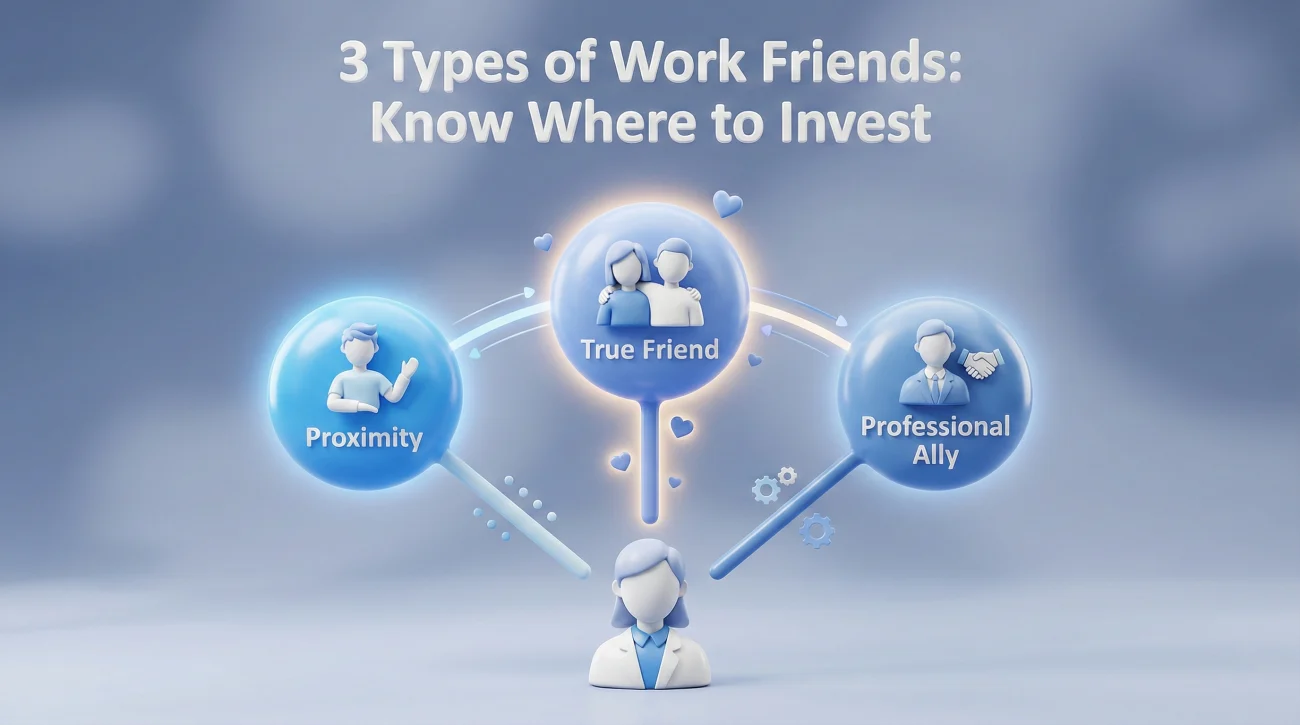
If you treat every coworker bond like it’s the same kind of friendship, you’ll either over-invest (and feel rejected), or under-invest (and lose the good ones). The clean move is to sort relationships honestly, without cynicism.
| Type | What it feels like | What usually happens after you leave | What to do |
|---|---|---|---|
| Proximity friends | Easy, frequent, fun at work | Often fades fast without routine contact | Let it drift without resentment |
| True friends | Trust, personal care, support outside work | Survives, but needs a new rhythm | Build a simple recurring touchpoint |
| Professional allies | Mutual respect, useful connection, shared goals | Can strengthen if handled professionally | Turn it into intentional networking |
The mistake is thinking proximity friends “betrayed” you. They didn’t. The relationship was real in the context it lived in. You’re not owed permanence; you’re owed honesty with yourself about what you want to carry forward.
How to Keep the Right Work Friendships Without Making It Weird
The goal isn’t to preserve everyone. The goal is to preserve the relationships that have real value: emotional value, long-term trust, or professional value. This is where keeping in touch with coworkers becomes a skill, not a hopeful vibe.

Step 1: Pick a small “core five” and commit to consistency
Choose up to five people you genuinely want in your life a year from now. Not the whole team. Not the entire department. Five. Consistency beats intensity here. A message every few months that’s calm and normal will do more than one emotional goodbye and then silence forever.
Step 2: Move the relationship out of the workplace context
If your only shared topic is “that one project” or “that manager,” the friendship will collapse the moment work disappears. Create a new shared context: coffee every quarter, a walk, a hobby meetup, a monthly “career catch-up” call. The structure matters because it replaces the routine the job used to provide.
Step 3: Leave one clean bridge before your last day
Don’t wait until after you leave to “someday” reconnect. Before your last day, send one short note to the people you care about that includes a clear way to stay in touch. Not a dramatic speech. Just a bridge.
Boundaries That Protect You and Protect Them
This is the part most people ignore until something goes wrong: your former coworkers still have careers inside that company. If you drag them into your exit story, you can accidentally put them in a position where they have to choose between you and their stability. Strong professional boundaries friends are not cold. They’re respectful.

Boundary 1: Don’t turn them into informants
Asking “what are they saying about me?” or “did my boss regret it?” pulls your former friends into politics they didn’t sign up for. It also makes them cautious around you. If you need closure, get it from your next chapter, not from post-exit gossip.
Boundary 2: Don’t build the friendship around trashing your old boss
It can feel bonding to vent, especially if the workplace was stressful. But after you leave, constant negativity turns you into a risk. People don’t want to be associated with someone who might screenshot, repeat, or spiral. Keep your tone clean. If you need a reference point for “leave like an adult,” use this checklist: this etiquette guide.
Boundary 3: Don’t ask for favors immediately
One of the fastest ways to ruin work friends after quitting is disappearing and then reappearing only when you need something. If you want to leverage relationships professionally, earn the right by staying present as a human first. Then, when a professional ask makes sense, it won’t feel transactional.
How to Turn Work Relationships Into Real Networking Without Using People
Networking has a bad reputation because people do it like a heist: show up, take value, disappear. The healthier version is simple: stay in touch, share useful context, and let opportunities emerge naturally. Some of the best long-term partnerships start as “we used to work together,” but only when you handle it with care.
Three rules that keep it clean
- Keep updates light and occasional: a short “here’s what I’m working on now” message is enough.
- Offer value before you request value: share a lead, a resource, or an introduction that makes sense.
- Make asks small and specific: a 15-minute call, one intro, one piece of advice.
If you’re leaving soon and still drafting your resignation message, keep it short and controlled so you don’t blur emotions with logistics. This structure helps: this email guide.
Two Templates to Keep the Relationship Alive
Use these as simple “bridges.” They’re intentionally calm. No dramatic energy, no pressure, no awkward “promise we’ll be besties forever.” Just an easy door that stays open.
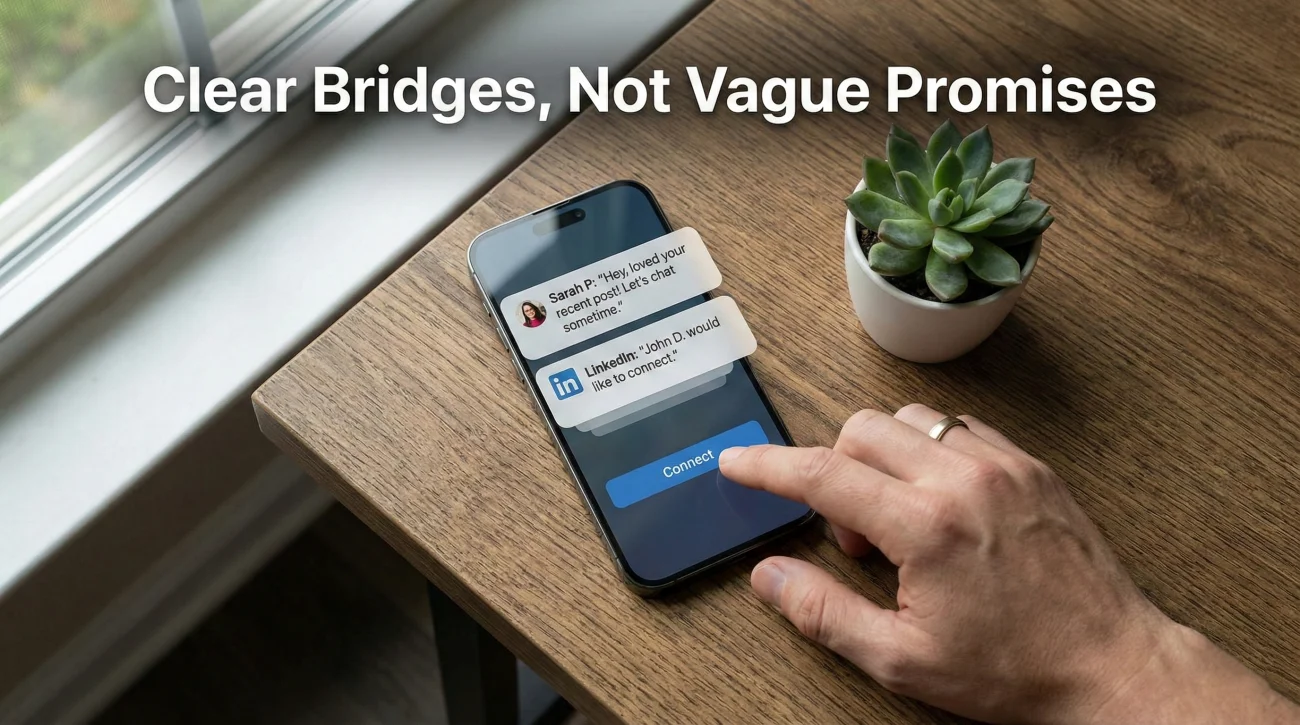
Template 1: The “I’m leaving, but I’d like to stay in touch” note
Subject: Staying in touch
Hey [Name],
I wanted to say I’ve genuinely enjoyed working with you. I’m heading out on [last day], but I’d love to stay connected. If you’re up for it, let’s do a quick catch-up sometime in the next few weeks.
Here’s my personal email: [email]. And if it’s easier, feel free to connect with me on LinkedIn: [your profile].
Thanks again for everything,
[Your Name]
Template 2: The “quarterly coffee” message that creates structure
Subject: Quick catch-up?
Hey [Name],
Now that I’m a bit settled after leaving, I’d love to catch up properly. Are you free for a coffee or a 20-minute call sometime next week? No big agenda, just would be great to stay connected.
If next week is busy, no worries at all. We can also set something for later this month.
[Your Name]
These messages do one important thing: they remove vagueness. “Let’s hang out sometime” dies. A specific window and a low-pressure tone survives.
Final Thoughts
Some relationships will drift, and that doesn’t mean the friendship was fake. It means the workplace was the container, and now the container is gone. What survives is what you intentionally carry forward: a small circle, a simple rhythm, and boundaries that keep everyone safe.
If you approach work friendships like something you design instead of something you hope for, you’ll keep the people who matter, lose the ones who were seasonal without bitterness, and turn your old coworkers into a network that still feels human.
❓ FAQ
🧠 Why do work friendships fade so quickly after someone leaves?
Because the relationship often relied on routine contact, shared context, and proximity. When those disappear, the friendship needs a new structure, or it naturally drifts.
📱 Should I keep the work group chat after I resign?
You can, but don’t depend on it to maintain closeness. Group chats often go quiet once you’re no longer in the day-to-day. If you care about specific people, message them directly and build a simple rhythm outside work.
☕ What’s the best way to stay close to a coworker I genuinely like?
Make it easy and specific: a coffee, a short call, or a quarterly catch-up. Consistency beats intensity, and a low-pressure routine keeps the relationship warm.
🤐 Is it safe to vent to former coworkers about my old manager?
Be careful. Your former coworkers still work there, and heavy venting can put them at risk or make them cautious around you. Keep your tone clean and avoid turning the relationship into a gossip channel.
🎯 Can work friends become real professional networking contacts?
Yes, if you do it respectfully. Stay connected as a human first, share useful context occasionally, and keep asks small and specific. That’s how relationships grow without feeling transactional.
⚠️ Legal Disclaimer: The resignation templates, email samples, and professional guidance provided in this guide are for informational purposes only and do not constitute legal advice. Employment laws and contract requirements vary by jurisdiction and individual circumstances. Please review your employment agreement and consult your HR department and/or a qualified attorney to ensure compliance with applicable laws and policies.