- Core Strategy: A formal thank you letter to the company is reputation insurance that lives in your HR file long after people move on.
- Why It Matters: It improves “safe to rehire” odds, protects future reference checks when your manager is gone, and signals executive-level maturity.
- When To Send: Use it for long tenure or high investment roles, skip it for very short stints or truly toxic, legally messy exits.
- What To Include: Thank the organization as an entity, name 1 to 2 specific growth receipts, nod to a real value or culture point, and close with an open door.
- Logistics: Send after the exit interview but before access is cut, typically about 48 hours before your final day, via email or a PDF for senior exits.
The Institutional Goodbye
We spend hours crafting farewell emails to our work besties. We obsess over the perfect wording for our boss. But there is one entity that often gets ghosted in the resignation process: the organization itself. A formal thank you letter to company leadership or HR is the “missing link” in most exit strategies.
This is not about thanking a person; it is about acknowledging the platform. It is about recognizing that the entity provided you with a paycheck, training, and a stage to perform on. While it may feel impersonal or “corporate” to write a letter to “The Company,” this document is often the most strategic piece of writing you will leave behind.
Why? Because people leave, but files remain. Your manager might quit next month, but your personnel file – and the resignation letter within it – stays in the HR archives forever. When you apply for a job 10 years from now and they do a deep background check, or when you decide to return as a “boomerang employee,” that letter speaks for you when you are not in the room. This guide will show you how to write a formal acknowledgment that cements your reputation as a consummate professional.
Why Thank an Entity? The “Permanent Record” Strategy
Most employees view HR as a bureaucratic hurdle to clear on the way out. This is a rookie mistake. HR is the gatekeeper of your professional history at that firm. Writing a formal thank you letter to organization officials serves three critical strategic functions that casual emails miss.
1. The Boomerang Ticket
The “Boomerang Employee” – someone who leaves and returns later – is a rising trend. Companies love rehiring former employees because they are known entities. However, the first thing a recruiter does when considering a rehire is pull the old personnel file. If they find a gracious, formal appreciation letter to company leadership, you are immediately flagged as “Safe to Rehire.” If they find nothing (or worse, a curt resignation note), you are a risk.
2. Reference Insurance
Years down the line, the specific manager who loved you might be gone. The person handling your employment verification will be a stranger in HR reading your file. A formal letter ensures that the “last word” on your tenure is positive, professional, and grateful. It frames your entire employment history in a positive light.
3. Signaling Executive Maturity
Junior employees just leave. Senior leaders exit with protocol. Sending a formal letter to the C-Suite or HR signals that you understand corporate governance and hierarchy. It separates you from the rank-and-file and positions you as someone with executive potential.
The Matrix: When to Send (and When to Skip)
Not every job deserves a formal wreath-laying ceremony. Over-formalizing a departure from a summer internship can look naive. Under-formalizing a departure from a Director role looks negligent. Use this matrix to decide.
| Scenario | Verdict | Reasoning |
|---|---|---|
| Long Tenure (3+ Years) | ✅ Must Send | You have deep institutional history. Leaving without a formal nod to the organization feels abrupt. |
| High Investment | ✅ Must Send | If they paid for your MBA, certifications, or sent you to expensive conferences, you owe a debt of gratitude to the budget holders. |
| Short Tenure (< 1 Year) | ❌ Skip | Focus on individual relationships. A formal letter to the company might highlight how short your stay was. |
| Toxic Departure | ❌ Skip | If you are suing the company or leaving due to harassment, a thank you letter is legally risky and emotionally dishonest. |
Deconstructing the Formal Letter
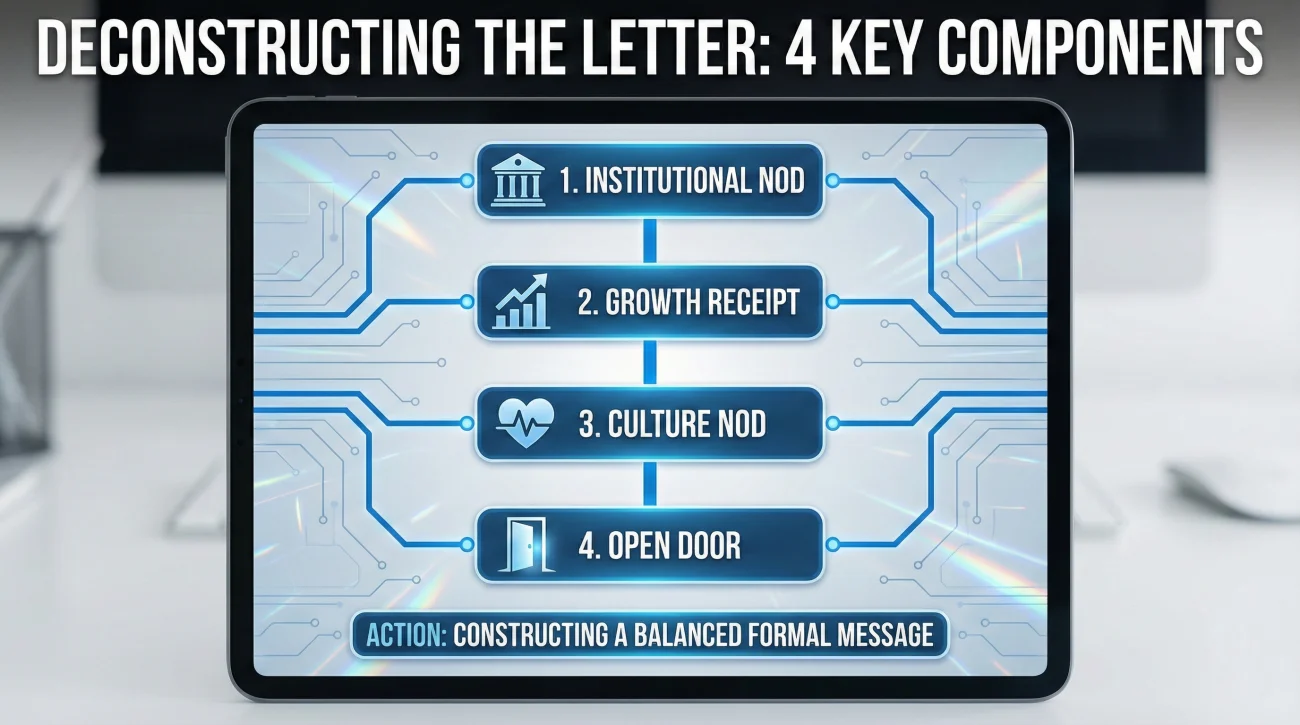
A thank you for the opportunity email to the company is different from a note to a friend. It needs to balance warmth with documentation. It typically has four distinct components:
- 🏛️ The Institutional Acknowledgement: You are thanking the business entity for the platform.
- 📈 The Growth Receipt: Specific mention of skills, training, or titles you gained. This validates their investment in you.
- 🤝 The Culture Nod: Acknowledging the specific values (e.g., “innovation,” “integrity”) that you admired.
- 🚪 The Open Door: A professional closing that implies future collaboration.
Strategic Templates for the Permanent Record
These templates are designed to be filed. They are polished, professional, and devoid of emotional baggage.
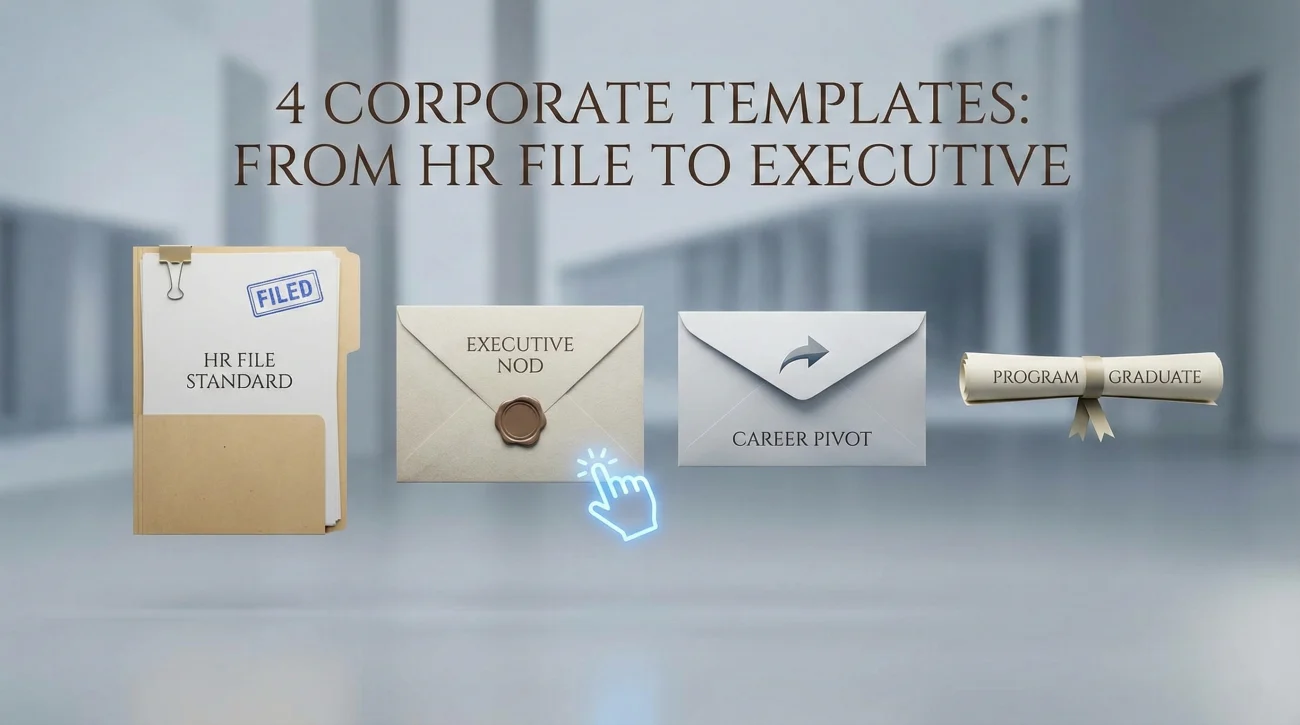
1. The “HR File” Standard (For the Record)
Send this to the Head of HR or the People Operations team. This is your insurance policy for future background checks.
Subject: Formal Appreciation – [Your Name] – [Employee ID if applicable]
Dear Human Resources Team,
As I complete my final week as Senior Analyst at [Company Name], I wanted to submit this formal note of appreciation to the organization.
I am deeply grateful for the professional ecosystem this company has provided over the last four years. Specifically, I want to acknowledge the company’s investment in my development through the [Specific Training Program] and the opportunity to contribute to the [Specific Project]. These experiences have been pivotal in my career growth and have equipped me with skills I will value for a lifetime.
I also want to thank the HR team for the seamless support during my tenure, from onboarding to my current transition. It has been a privilege to work within a culture that prioritizes [mention a company value, e.g., transparency and employee well-being].
I leave with the utmost respect for the organization and its mission. Thank you for the platform to grow.
Sincerely,
[Your Name]
[Your Title]
2. The “Executive Nod” (To CEO/Founder)
In smaller companies (SMBs) or if you are in a senior role, sending a note to the owner or CEO is a class act. It acknowledges their vision.
Subject: Thank you for the opportunity to serve [Company Name]
Dear [CEO Name],
As I prepare to hand over my responsibilities, I wanted to send a personal note of thanks to you and the executive team.
It has been an honor to play a part in [Company Name]’s journey over the past five years. When I joined, we were a team of 20; leaving now as we cross 200 employees, I am incredibly proud of what we have built. Thank you for trusting me with the autonomy to build the [Department Name] from the ground up.
I have learned a tremendous amount about leadership and resilience by watching how this organization navigates change. Those lessons will remain with me as I move to my next chapter.
I remain a firm believer in the company’s future and will continue to root for [Company Name] from the sidelines.
With gratitude,
[Your Name]
3. The “Career Pivot” Appreciation
Use this formal thank you letter for job opportunity if the company took a chance on you (e.g., you pivoted industries or were hired with little experience).
Subject: Gratitude for the opportunity to pivot
Dear Leadership Team,
Writing this letter is bittersweet. When [Company Name] hired me three years ago, I was making a significant transition from [Old Industry] to [New Industry]. I want to formally thank the organization for taking a bet on my potential when my resume didn’t fit the standard mold.
The mentorship, resources, and patience extended to me by this organization allowed me to reinvent my career. I do not take that investment lightly. The skills I acquired here – specifically [Skill A] and [Skill B] – are a direct result of the learning culture you have fostered.
Thank you for being an incubator for talent and for creating an environment where non-traditional backgrounds can thrive.
Best regards,
[Your Name]
4. The “Program Graduate” (For Rotational/Internship Programs)
If you were part of a formal leadership development program or internship, thanking the program coordinators is essential. This ensures you remain an “alumni” in good standing.
Subject: Thank you – [Program Name] Class of [Year]
Dear [Program Director Name],
As I move on to my next role, I wanted to specifically thank you for the foundation provided by the Leadership Development Program.
The structure of the rotations allowed me to see the business from multiple angles – from Sales to Operations – in a way that few other opportunities could have. The mentorship I received during my rotation in the Chicago office was particularly transformative.
I am proud to be an alumnus of this program and will continue to speak highly of the rigorous training [Company Name] provides to early-career professionals.
Sincerely,
[Your Name]
Tone Check: Walking the Tightrope
The tone of a company letter is tricky. Too warm, and it sounds unprofessional. Too cold, and it sounds like a legal template. You need to aim for “Warm Professionalism.”
| ❌ Too Casual (Avoid) | ❌ Too Robotic (Avoid) | ✅ The Sweet Spot |
|---|---|---|
| “I loved hanging out with everyone and the snacks were great.” | “I wish to convey my satisfactory acknowledgment of employment tenure.” | “I am grateful for the collaborative culture and the professional resources provided.” |
| “You guys rock.” | “Pursuant to my departure…” | “The team’s dedication to excellence has been inspiring.” |
Logistics: Delivery and Timing
Because this is a formal document, the medium matters as much as the message.
The Format:
- Email (Standard): Suitable for 90% of cases. Use a clear subject line so it is searchable.
- PDF Attachment (Executive): For very senior roles, attach the letter as a formal PDF on your personal letterhead. This screams “C-Level Executive.”
The Timing:
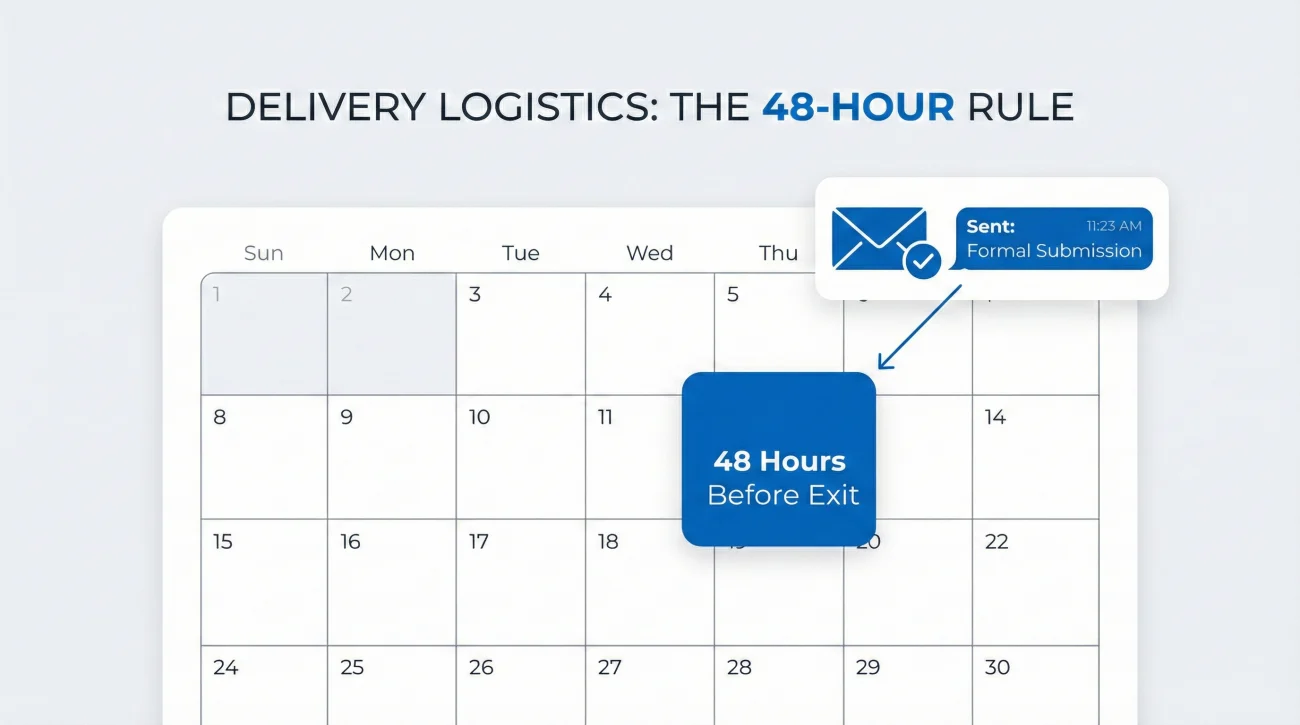
Send this after your exit interview but before your access is cut off. Ideally, 48 hours before your final moment. This ensures it lands in the inbox while you are still an active employee, allowing HR to file it immediately without administrative friction.
❓ FAQ
📧 Should I copy my boss on the letter to HR?
Yes. It is a classy move to CC your direct manager. It shows you are speaking highly of the organization behind their back (in a good way) and reinforces your professionalism to your immediate supervisor one last time.
📝 Does this replace my resignation letter?
No. Your resignation letter is a legal notice of intent to leave. This thank you letter is a relationship management tool. They are separate documents. The resignation letter was sent weeks ago; this is sent days before you walk out.
🤐 What if I have complaints about the company?
Save it for the exit interview (or keep it to yourself). A thank you letter is not the place for feedback. Even “constructive” criticism can be misinterpreted in writing. Keep this document purely positive. If you can’t be positive, do not write it at all.
💼 Can I mention my new job in this letter?
Keep it brief. You can say “As I move to my next chapter,” but avoid naming the new company or bragging about the new role. The focus should remain on this company and what they did for you, not where you are going.
Final Thoughts: The Lasting Impression
Corporate memory is long. HR files are forever. By taking twenty minutes to craft a formal thank you letter to company officials, you are investing in your own reputation insurance.
You are ensuring that the final document in your personnel file is not a dry resignation notice, but a gracious articulation of value. In a world where networks are everything and paths cross constantly, being remembered as the person who left with class is a competitive advantage.
For more strategies on how to leave a job without burning bridges, read our comprehensive guide on resignation etiquette. If you need more specific templates for your team or manager, explore our goodbye and handover email templates library. Start your next chapter on the right foot with ResignSmartly.
⚠️ Legal Disclaimer: The resignation templates, email samples, and professional guidance provided in this guide are for informational purposes only and do not constitute legal advice. Employment laws and contract requirements vary by jurisdiction and individual circumstances. Please review your employment agreement and consult your HR department and/or a qualified attorney to ensure compliance with applicable laws and policies.