- Mindset: Silence is rarely a no, it is usually busyness, writer’s block, or inbox chaos, so a follow up is normal and professional.
- Timing: Use a simple nudge ladder, 10 to 14 days before deadline as the standard reminder, then 3 to 5 days as time sensitive, then deadline morning only if you must.
- Zero Friction Rule: Every follow up should be self contained with the deadline, the submission link, and your briefing kit attached again.
- Scripts That Work: Start gentle, offer a draft to busy recommenders, and switch to a direct but respectful red alert when time is tight.
- Backup Protocol: If they stay silent near the end, activate a standby reference and send a polite switch email so you do not miss the deadline.
The “Radio Silence” Trap: Why the Waiting Game Is the Hardest Part
Here is a scenario that induces pure panic: You asked a mentor for a reference letter three weeks ago. They said, “Absolutely, I’d be honored!” You felt a wave of relief. You checked that box on your to-do list.
But now, the deadline is five days away. And you haven’t received anything.
Your brain starts to spin. Did they forget? Did they change their mind? Do they secretly hate me? If I email them again, will I look like a nag? If I don’t email them, will I lose this job opportunity?
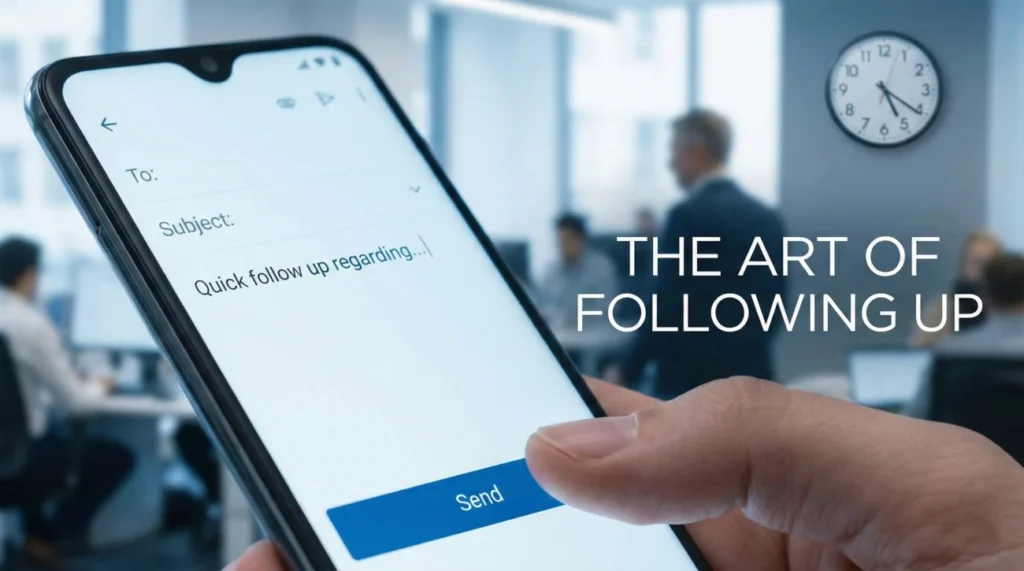
Welcome to the delicate art of the follow up on reference request email. It is the single most awkward dance in professional communication. You are stuck between the rock of “being annoying” and the hard place of “missing a deadline.”
But here is the truth: Silence is rarely a “No.” Silence is usually just chaos. Your recommender is likely drowning in their own work, and your letter is just one ball they are juggling. In this comprehensive guide, we will teach you how to be the squeaky wheel that gets the grease – without being the wheel that falls off. We will cover the psychology of the nudge, the timing of the reminder, and the exact scripts to use to get that letter submitted on time.
The Psychology of the Ghost: Why They Haven’t Written It Yet
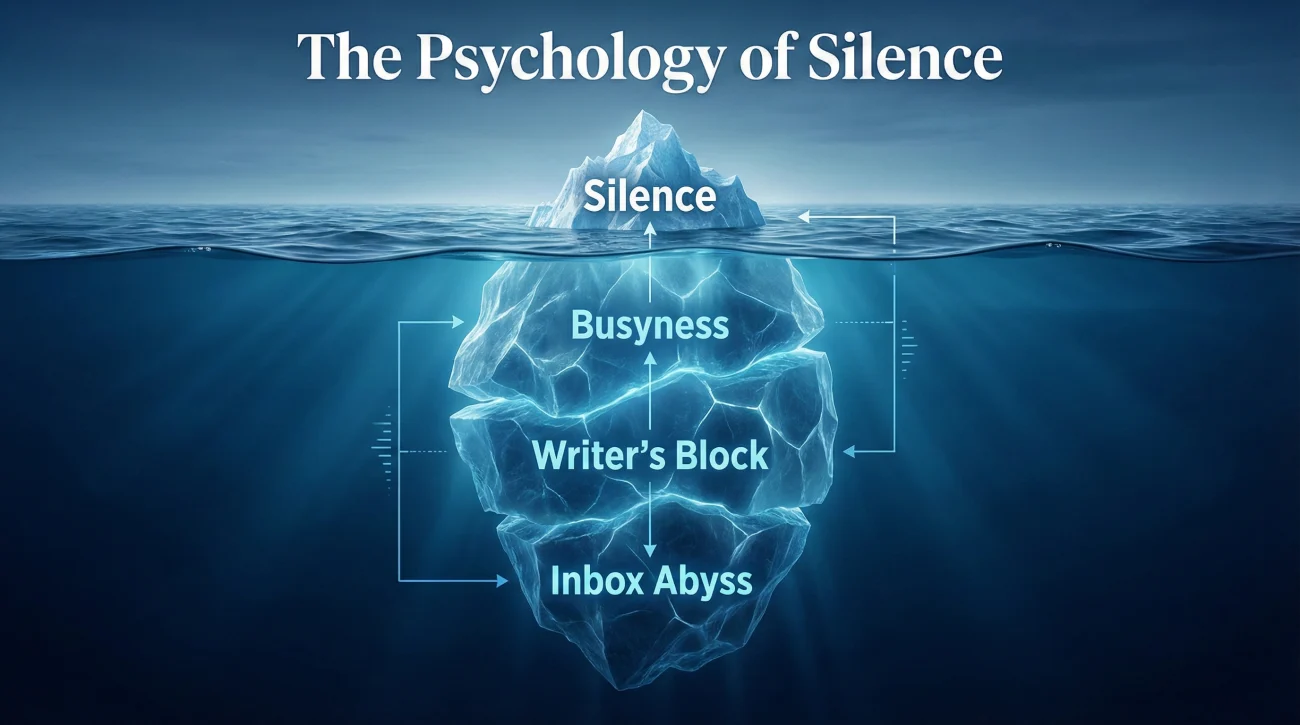
Before you send a panic-stricken email, you need to empathize with the person on the other end. Why haven’t they written your letter? It is almost never personal.
- The “Busyness” Paradox: The people whose references carry the most weight (CEOs, Professors, Directors) are also the people with the least amount of free time. They didn’t forget you; they forgot the task.
- The “Writer’s Block” Factor: Even smart people get performance anxiety. They want to write you a good letter, not a generic one. So they wait for the “perfect moment” to focus… and that moment never comes. They are procrastinating because they care.
- The “Inbox Abyss”: Your original email is now on page 3 of their inbox. Out of sight, out of mind. They need a bump to bring it back to page 1.
When you understand this, you realize that following up on reference request emails is not an annoyance; it is a service. You are helping them manage their to-do list. You are being a project manager for your own career.
The “Nudge” Timeline: When to Push the Button
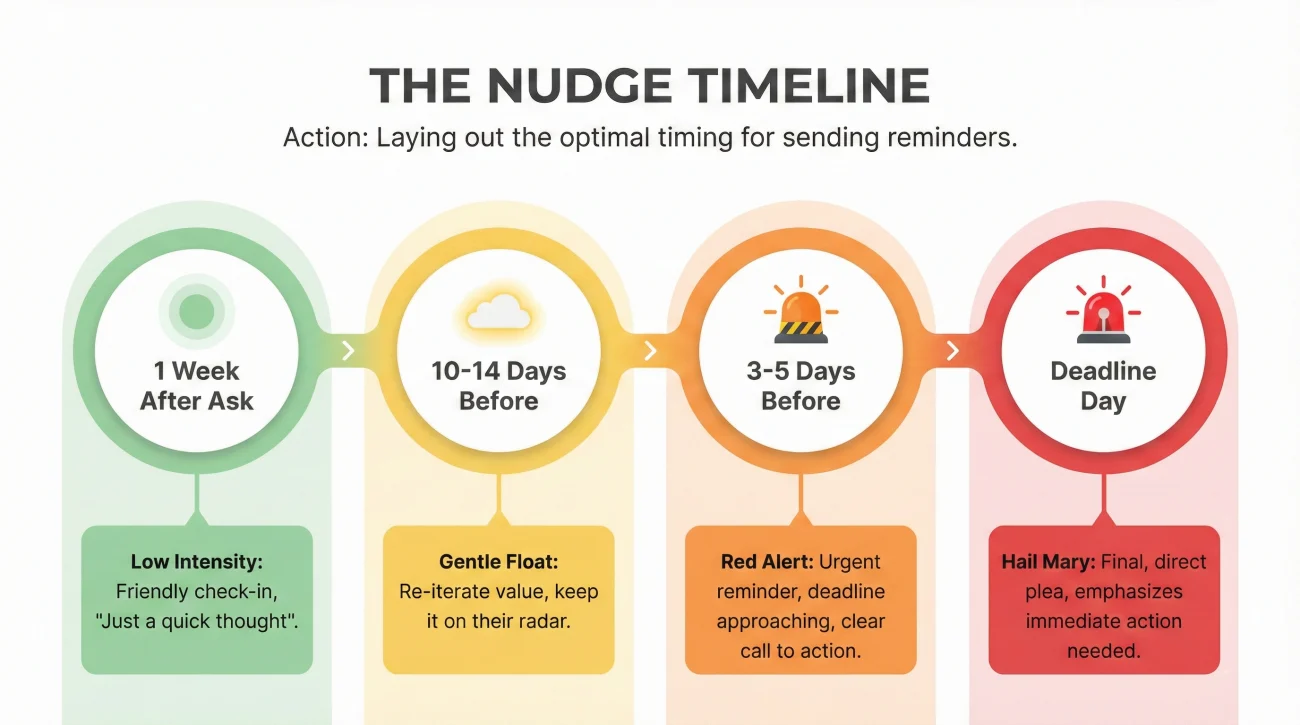
Timing is everything. Follow up too soon, and you look neurotic. Follow up too late, and you look disorganized. Here is the optimal schedule for a standard 4-week deadline window.
| Timeframe | The Strategy | Intensity Level |
|---|---|---|
| 1 Week After Asking | The “Confirmation Check.” Only necessary if they never replied to your first email. “Just confirming you got this!” | Low |
| 10-14 Days Before Deadline | The “Gentle Float.” The standard reminder. This is the sweet spot to ensure they have it on their radar. | Medium |
| 3-5 Days Before Deadline | The “Red Alert.” Professional but time-sensitive. You need to start thinking about your backup plan. | High |
| Deadline Day (Morning) | The “Hail Mary.” Only use if you have no choice. Direct and apologetic. | Critical |
The Master Scripts: How to Nudge Without Nagging
These templates are designed to remove guilt and friction. We want to make it easy for them to say, “Oh right, let me do that now.”
Scenario 1: The “Gentle Float” (10-14 Days Out)
Context: The deadline is approaching but not immediate. You want to be proactive. This is the standard polite reminder for recommendation letters.
Subject: Quick bump: Reference for [Your Name]
Hi Sarah,
I hope you’re having a great week! I’m just floating this to the top of your inbox as a gentle reminder about the reference letter for my application to Meridian.
The deadline is coming up on [Date], and I wanted to make sure you had everything you needed. If it helps, I’ve re-attached the “Briefing Kit” (resume + key achievements) so you don’t have to dig for it.
No rush right now – just wanted to keep it on your radar.
Best,
Marcus
Scenario 2: The Busy Boss (The “Draft” Offer)
Context: You are reminding boss about reference letter commitments, and you know they are swamped. You suspect they haven’t written it because they don’t have time. You need to offer a shortcut.
Subject: Following up / Making this easier for you
Hi David,
I know Q4 is absolutely crazy right now, so I wanted to check in on the reference letter for my MBA application (due next Friday).
To save you time, I went ahead and drafted a rough version of the letter based on our work on the Delta Project. Please feel free to edit it, rewrite it, or toss it completely – I just wanted to give you a starting point so you aren’t staring at a blank page.
Let me know if this helps!
Thanks,
Alex
Scenario 3: The “Red Alert” (48 Hours Out)
Context: Panic mode. They haven’t replied. You need to be direct but polite. You are risking missing the deadline.
Subject: Time-sensitive: Reference deadline on Friday
Hi Professor Martinez,
I’m following up because the deadline for my Stanford application is in 48 hours (Friday at 5 PM).
I know how busy the semester is. If you are no longer able to write the letter, please let me know by tomorrow morning so I can activate my backup reference. I completely understand if the timing didn’t work out.
If you are still able to submit, the submission link is here: [Link]
Thank you,
Jordan
The “Value-Add” Follow-Up: Don’t Just Ask, Give
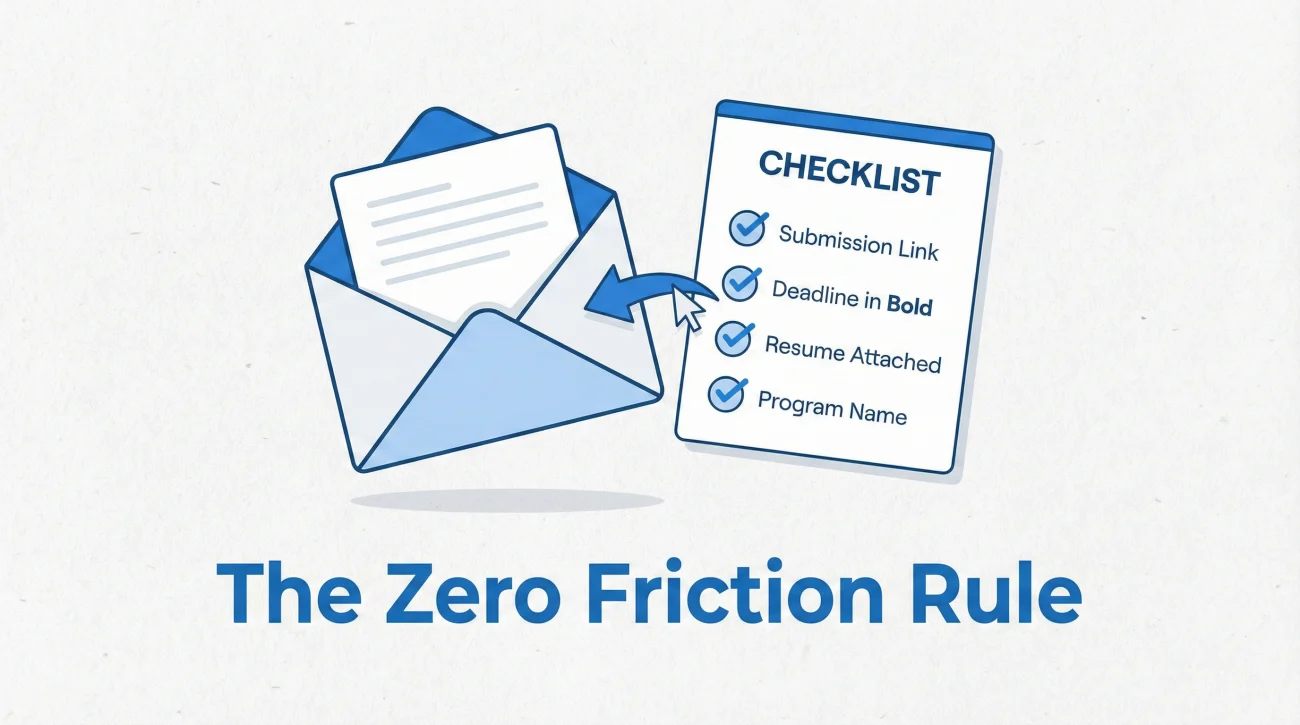
One trick to make your follow-up feel less like a “nag” is to include value. Don’t just ask for the letter. Re-attach the documents they need. Remind them of the link. Make the email a “resource,” not a “demand.”
The “Zero Friction” Rule: Never make them search for your old emails. Every follow-up email should be self-contained. It should include:
- The submission link (again).
- The deadline (bolded).
- Your resume (attached again).
- The specific program you are applying to.
When you do this, you aren’t annoying them; you are organizing them. You are proving that you are a professional who anticipates needs.
The Escape Hatch: When to Cut Your Losses
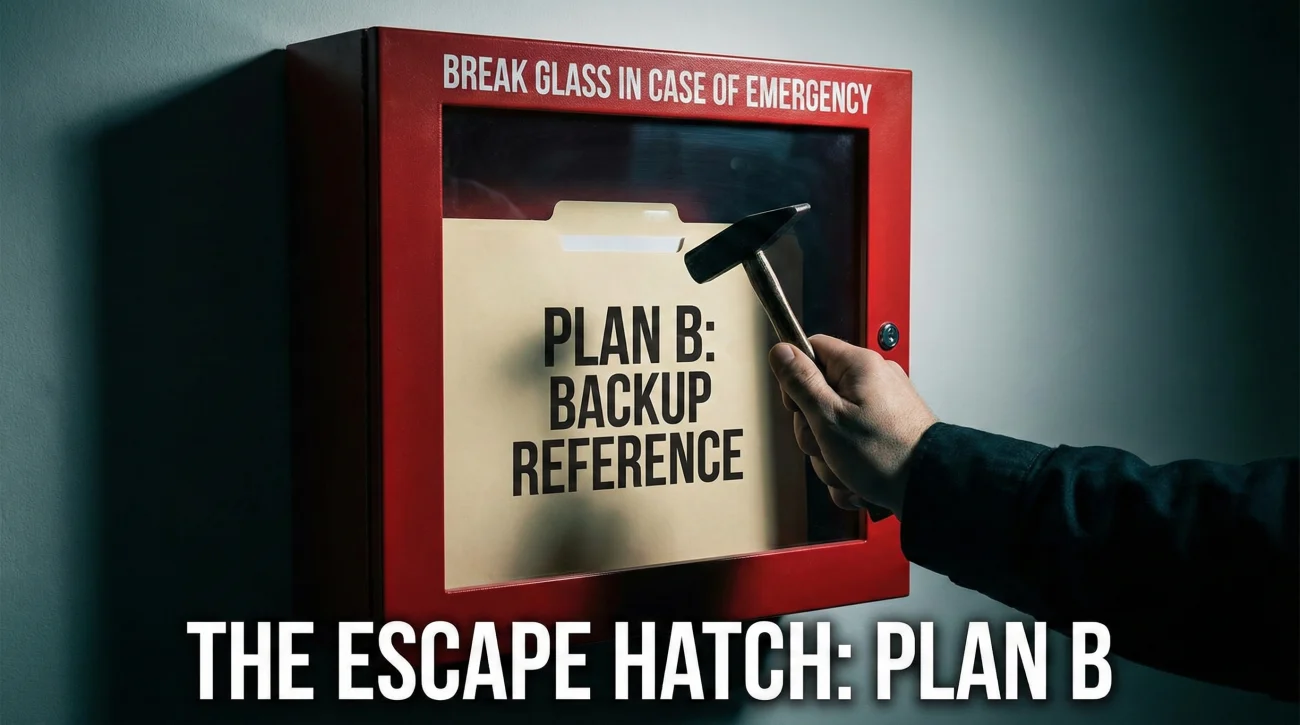
Sometimes, despite your best efforts, a recommender ghosts you. They might have a personal emergency, or they might just be unreliable. You need a Plan B.
The “Pivot” Protocol:
- Identify the Backup: Always have one person on standby (a Tier 2 reference) who you can call in an emergency. This could be a former colleague or a less senior professor.
- The “Switch” Email: If you are 24 hours out and haven’t heard back, send one final email to the original recommender: “Hi [Name], since I haven’t heard back, I assume you are swamped. I’m going to ask a colleague to step in so you don’t have to worry about this deadline. Thank you again for your support!” This is polite but final.
- The “Rescue” Ask: Call your backup immediately. “I have a huge favor. My reference fell through. Can you write me a quick letter by tomorrow? I have a draft ready for you.”
❓ FAQ: Troubleshooting The Wait
📞 Should I call them?
Only in an emergency. Email is preferred because it’s asynchronous – it lets them reply when they have time. A text message is acceptable if you have a close personal relationship (e.g., “Hey, just sent you an email!”). A phone call is the “nuclear option” for when you are 24 hours from a deadline and they promised they would do it. Use it sparingly.
📧 What if they miss the deadline?
Don’t panic yet. Many systems (like grad schools) have a grace period for references even after the student deadline passes. Contact the admissions office or HR immediately: “My recommender is having technical difficulties; can they submit 24 hours late?” Usually, they will say yes.
😡 Are they ghosting me because they hate me?
Almost always, no. We tend to catastrophize silence. They aren’t sitting there thinking “I refuse to help.” They are sitting there thinking “I have 500 unread emails and I need to pick up my kids.” Do not take it personally. It is almost always a logistics issue, not a relationship issue.
📝 Can I write the letter for them?
Yes, offer this in the second follow-up. “To save you time, I can draft the letter…” is one of the most effective ways to unblock a busy recommender. It removes the cognitive load of writing. Just ensure you write it in their voice, not yours.
Final Thoughts: Persistence is Professionalism
Reframing your mindset is the most important part of this process. You are not a child asking for a treat; you are a professional managing a critical project. Following up is a project management skill. It shows you care about the outcome.
By using these scripts and strategies, you show your recommender that you are organized, proactive, and respectful of their time. You are making it easy for them to be your champion. So send that nudge. Float that email to the top. Your future career is worth the momentary awkwardness.
For more advice on managing professional relationships during transitions, explore our guides on resignation etiquette.
⚠️ Legal Disclaimer: ResignSmartly provides general informational guidance about resignation, workplace communication, notice periods, handovers, and career transitions. Content does not constitute individualized legal advice. Employment laws, contracts, workplace policies, and individual circumstances vary, so review the requirements that apply to your situation and consult an appropriate qualified professional when needed.