- Core strategy: Combine your resignation notice with a reference request while your impact is still fresh.
- Why it works: You use peak goodwill, avoid awkward follow-ups later, and frame your exit as natural progression.
- How to ask: Lead with specific gratitude, mention concrete growth moments, then define the exact kind of reference you need.
- Policy reality: Check neutral reference rules, offer LinkedIn or personal endorsements, and skip the combo if the relationship is strained.
- Exit execution: Deliver an audit-ready handover, keep the connection warm, and pivot to peer references if your manager declines.
The Hybrid Exit: Mastering the Resignation Letter Reference Request
Transitioning to a new role is a multifaceted process that involves more than just saying goodbye. It is about securing your past achievements to fuel your future growth. One of the most efficient ways to handle this transition is by utilizing a resignation letter reference request. This hybrid approach combines the formal notification of your departure with a strategic request for a professional endorsement, ensuring that you don’t leave your current value behind as you step into a new chapter.
In the modern workplace, momentum is everything. Waiting until weeks after you have left to ask for a reference can often lead to “out of sight, out of mind” syndrome. By integrating your request into your initial resignation correspondence, you capture your manager’s attention while your contributions are still fresh and visible. This method is not about being pushy; it is about being professional, organized, and forward-thinking.
However, executing this strategy requires a delicate touch. You must balance the finality of your resignation with the warmth and gratitude necessary to solicit a positive recommendation. In this guide, we will explore how to navigate this dual-purpose communication, ensuring that you maintain your professional bridges while building a sturdy platform for your next career move. We will look at why this “combo” strategy works and how to tailor it to your specific relationship with your supervisor.
Capitalizing on Momentum: Why the Combo Letter Works
The moment you submit your resignation is a unique window of opportunity. While it marks an end, it is also a time when managers are often reflective of your tenure and appreciative of the work you have done to prepare for the handover. This “peak goodwill” period is the ideal time to make a request. A resignation letter asking for reference details helps streamline the process for both you and your employer, removing the need for awkward follow-up emails months later.
From an organizational perspective, this approach demonstrates high-level executive functioning. It shows that you are thinking multiple steps ahead and that you value the professional bond you have built with the company. Managers often appreciate employees who are clear about their needs and who make administrative tasks – like providing a reference – part of a structured offboarding process. It reduces the “mental load” for a supervisor who is likely already stressed about filling your position.
Furthermore, combining these messages reinforces the narrative that you are leaving on good terms. It frames your departure as a natural progression rather than a rejection of the company. When a request for support is nested within a message of gratitude and commitment to a smooth handover, it is much harder for a manager to say no. You are essentially offering them a chance to participate in your continued success, which most supportive leaders are happy to do.
Efficiency as a Professional Virtue in Career Transitions
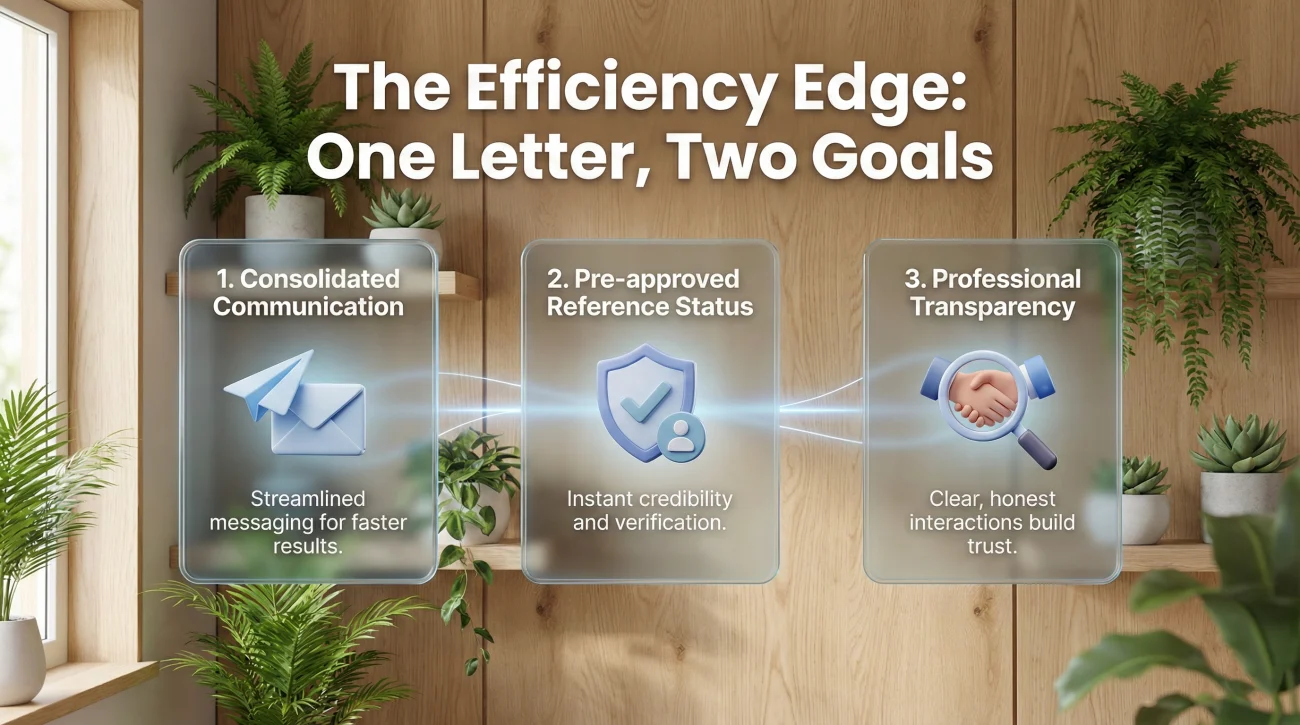
Time is a finite resource during a notice period. You are likely juggling final project deadlines, handover documentation, and perhaps even onboarding tasks for your new role. Sending a resignation letter with recommendation request saves you from an additional round of communication during an already busy time. It creates a single, consolidated thread for your departure and your future support needs, making it easier for HR and your manager to track your exit status.
Consider the alternative: You resign, you work your notice period, you leave, and then three months later, you realize you need a reference for a specific certification or a future job hunt. Now, you have to re-initiate contact, remind your former boss of who you are and what you did, and hope they have the time to help you. By securing the agreement now, you create a “pre-approved” status that makes future formal requests much smoother.
Efficiency isn’t just about saving time; it’s about clarity. When you ask for a reference in your resignation letter, you are being transparent about your intentions. You aren’t “sneaking out”; you are graduating. This level of transparency is a hallmark of resignation letter etiquette and sets a high bar for your professional conduct. It allows your manager to process both pieces of information at once, leading to a more cohesive exit experience.
Framing the Ask: Balancing Gratitude and Ambition

The success of a hybrid letter depends entirely on its tone. You cannot simply demand a reference as a condition of your work. Instead, the request should be presented as a natural extension of your gratitude for the opportunities you’ve had. Frame it as a way to “carry the lessons learned here into my future endeavors.” This softens the request and makes it feel like a compliment to the manager’s leadership.
Start by highlighting specific growth milestones. When you mention a project you enjoyed or a skill you developed under their guidance, you are providing the manager with the “raw material” they would use to write a reference anyway. You are making their job easier. By the time they reach the paragraph where you ask for a recommendation, they are already thinking about your strengths and contributions. This psychological priming is a powerful tool in professional communication.
It is also important to be specific about what kind of reference you might need. Are you looking for a general LinkedIn recommendation, a phone reference for a future background check, or a formal letter of recommendation? Being specific reduces the ambiguity and makes the manager more likely to agree. Most people are willing to help when the “ask” is clearly defined and manageable.
Hybrid Templates: Resignation and Reference Combo
Depending on whether you are submitting a physical letter or an email, the structure will vary slightly. Below are two templates designed to maximize efficiency and maintain professional warmth.
Formal Resignation Letter with Reference Request
[Your Name]
[Your Address]
[City, State ZIP]
[Date]
[Recipient Name]
[Title]
[Company]
Dear [Name],
Please accept this letter as formal notification that I am resigning from my position as [Job Title] at [Company], effective [Your Last Day]. I have decided to take on a new opportunity that aligns with my long-term career goals in [Industry/Field].
I am truly grateful for the support and the opportunities for professional growth that I have received during my time here. I have particularly valued [mention a specific project or skill], and I look forward to carrying these experiences forward in my career. During my final weeks, I am fully committed to ensuring a smooth transition and will complete all pending documentation and handovers.
Given the positive working relationship we have shared, I would be honored if you would consider providing a professional reference for me in the future. I believe your perspective on my contributions here would be invaluable as I continue to grow in my field. I am happy to discuss this further at your convenience.
Thank you once again for everything.
Sincerely,
[Your Signature]
[Your Name]
Email Version for Immediate Impact
Subject: Resignation & Thank You – [Your Name]
Dear [Manager’s Name],
I am writing to formally resign from my role at [Company], with my final day being [Date].
I want to thank you for your mentorship and for the chance to work on the [Project Name] team. It has been an incredible experience, and I have learned so much under your leadership. To ensure the team’s success after I leave, I have already started preparing a comprehensive handover file.
As I move forward to my next chapter, I was wondering if you would be comfortable serving as a professional reference for me? Your endorsement would mean a great deal to me. If you are open to this, please let me know, and I can provide you with more details regarding my future plans.
I wish you and the team continued success.
Best regards,
[Your Name]
When the Manager Says No: Peer Reference Alternatives
Sometimes, despite your best efforts, a manager may decline a reference request due to personal preference or company policy. This is not a failure on your part. If this happens, pivot quickly. You can still maintain your professional exit while quietly reaching out to trusted peers, senior team members, or clients you have worked with closely. These “360-degree” references are often just as valuable to future employers as a manager’s word.
The key is to handle the manager’s refusal with grace. Thank them for their honesty and continue with your handover duties as planned. This prevents a “no” from turning into a negative interaction. Your professional reputation is maintained by how you handle setbacks, and staying focused on a high-quality departure will only reinforce the positive things your other colleagues will say about you.
Future-Proofing Your Career Connections

A reference is more than just a box to tick on a job application; it is a testament to your professional character. By securing this support at the time of your resignation, you are “future-proofing” your career. You never know when a former manager’s word might be the deciding factor in a high-stakes interview or a prestigious certification process. Treating this request with the importance it deserves is a sign of a mature professional.
Remember to keep your references updated. Even if you secure a “yes” now, it is a good idea to check in with your former manager once a year or so on LinkedIn. A quick “Happy New Year” or a comment on their recent promotion keeps the connection warm. This ensures that when you actually need them to pick up the phone for a background check three years from now, they still remember you vividly and positively.
Using the Handover as Leverage for Your Request

If you want to ensure a “yes” to your reference request, make yourself indispensable during your notice period. A stellar handover document is the best social currency you have. When you provide a manager with a clear, organized, and stress-free transition, their gratitude naturally flows toward supporting your future endeavors. It is a simple “reciprocity” principle: you make their life easier, they make your future easier.
Consider including a “Handover Checklist” in the same week you send your resignation. This shows you are taking your departure seriously and gives the manager confidence in your professional integrity. When they see the care you are taking to protect the team’s workflow, they will be much more enthusiastic about putting their name behind your future applications. High-quality work during your final weeks is the most powerful “reference” you can ever give yourself.
❓ FAQ
🤔 Is it too early to ask for a reference in the resignation letter?
Not at all. In fact, it is often the best time. It captures the manager’s attention while your achievements are current and ensures the request is part of your official exit process.
🚫 What if my manager says company policy prevents them from giving references?
If they cite policy, ask if they would be comfortable giving a personal recommendation on LinkedIn instead. This often bypasses corporate restrictions while still providing you with a valuable endorsement.
📝 Should I provide a template for them to use?
It can be helpful to offer a “bulleted list of achievements” to remind them of your key contributions. This makes writing the reference much easier for them, which increases the likelihood of a positive response.
🤝 Can I ask for a reference if I’m leaving for a competitor?
This is tricky. If you are going to a direct competitor, tensions might be high. It is usually better to focus on a professional exit first and perhaps wait until you have settled into your new role before reaching back for a reference.
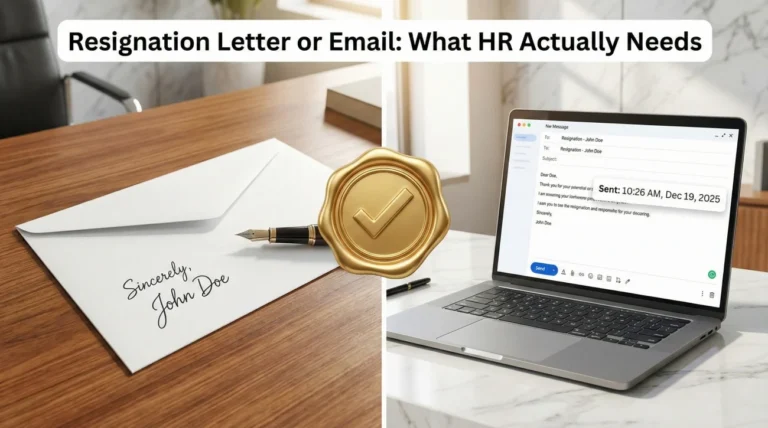
📧 Does this request need to be in the physical letter or just email?
Either is acceptable, but if you are submitting a formal physical letter for your personnel file, including it there makes it “official.” If your company primarily uses email, then a well-crafted email is perfectly professional.
Final Thoughts
Success in your career is not just about the work you do today, but about the relationships you carry with you into tomorrow. Integrating a resignation letter reference request into your departure strategy is a mark of a high-performing professional who understands the long-term value of networking and reputation. It turns a standard administrative task into a powerful career-building moment.
By following the strategies outlined in this guide – prioritizing efficiency, maintaining a tone of gratitude, and focusing on a high-quality handover – you can exit any role with your head held high and your future secured. A reference is a gift from a former employer, and like any gift, it is best received when you have shown appreciation and respect throughout your tenure.
As you move on to your next challenge, take comfort in knowing that you haven’t just left a job; you have built a legacy of professionalism that will continue to support you for years to come. Your exit is not just an end – it is a launchpad.
⚠️ Legal Disclaimer: ResignSmartly provides general informational guidance about resignation, workplace communication, notice periods, handovers, and career transitions. Content does not constitute individualized legal advice. Employment laws, contracts, workplace policies, and individual circumstances vary, so review the requirements that apply to your situation and consult an appropriate qualified professional when needed.