- What it is: A resignation letter notarized to verify identity, voluntary signing, and an official timestamp.
- Who usually needs it: Executives, financial signatories, licensed roles in regulated industries, and anyone whose contract requires it.
- Why it matters: It prevents disputes about resignation authenticity or timing, especially when authority, filings, or payouts are involved.
- How to do it right: Bring ID, print the letter unsigned, sign in front of the notary, and leave space for seal and acknowledgment.
- What to do after notarizing: Deliver the original with receipt proof, keep certified copies, and build a small time buffer for appointments.
When Resignations Require Legal Certification
A notarized resignation letter carries legal weight that standard resignation documents cannot provide. Notarization verifies your identity, confirms you signed the document voluntarily, and creates an official record that prevents disputes about resignation authenticity or timing.
Most employees never need notarized resignation letters. Standard written notice satisfies legal and practical requirements for typical employment relationships. However, specific positions, industries, and contractual arrangements mandate notarization to protect both parties from fraud and future legal complications.
This guide explains when resignation notarization becomes necessary, who requires it, and how to complete the notarization process correctly. For general resignation protocols, see our resignation letter etiquette guide.
Who Needs Notarized Resignation Letters
The question do i need a notarized resignation letter depends primarily on your position level, industry regulations, and employment contract terms. Certain roles carry such significant legal and financial responsibility that resignation verification becomes legally necessary.

Executive and C-Suite Positions
CEOs, CFOs, and other executive officers often require notarized resignations because their departures trigger securities filings, board notifications, and regulatory reporting. Public companies file Form 8-K with the SEC within four business days of executive officer departures – notarized resignation letters provide the legal documentation these filings require.
Corporate bylaws frequently mandate notarized resignations from directors and officers to prevent disputes about board composition or signing authority. Banks cannot accept signature authority changes from executives without verified resignation documentation.
Financial Officers and Signatories
Chief Financial Officers, Controllers, and anyone with check signing authority typically need notarized resignations. Financial institutions require verified documentation before removing someone from account access, particularly for positions controlling substantial funds or authorized to execute contracts.
Nonprofit organizations with 501(c)(3) status often mandate notarized resignations from treasurers and financial officers to maintain IRS compliance and protect against embezzlement claims. The notarization creates a clear record of when financial responsibility transferred to new leadership.
Licensed Professionals in Regulated Industries
- ✓ Healthcare administrators with DEA licenses or controlled substance access
- ✓ Securities dealers and financial advisors registered with FINRA
- ✓ Attorneys with trust account responsibility
- ✓ Real estate brokers holding client funds in escrow
- ✓ Government employees with security clearances
These positions involve regulatory oversight that extends beyond the employer relationship. Notarized resignations protect both the departing employee and the organization from regulatory compliance issues.
Contract-Mandated Notarization Requirements
Your employment contract might explicitly require notarizing resignation letter regardless of your position. Review your employment agreement’s termination provisions before submitting standard resignation notice.

Partnership and Ownership Agreements
Partners in law firms, medical practices, and professional service organizations typically face notarization requirements in their partnership agreements. These documents govern ownership transfer, client list access, and profit sharing – areas where signature authenticity becomes legally critical.
Buy-sell agreements that activate upon resignation almost always require notarized notice. The notarization timestamp establishes when ownership transfer obligations began, affecting valuation dates and payment schedules worth potentially millions of dollars.
Non-Compete and Confidentiality Agreements
Some employment contracts link resignation to non-compete clause activation. Notarized resignations create indisputable records of when competitive restrictions begin, protecting employers from claims that employees started competing before restrictions took effect.
Similarly, resignations that trigger severance payments or equity vesting sometimes require notarization to prevent backdating disputes. The notary’s seal and timestamp make it impossible to claim you resigned earlier or later than you actually did.
Preventing Signature Forgery and Document Tampering
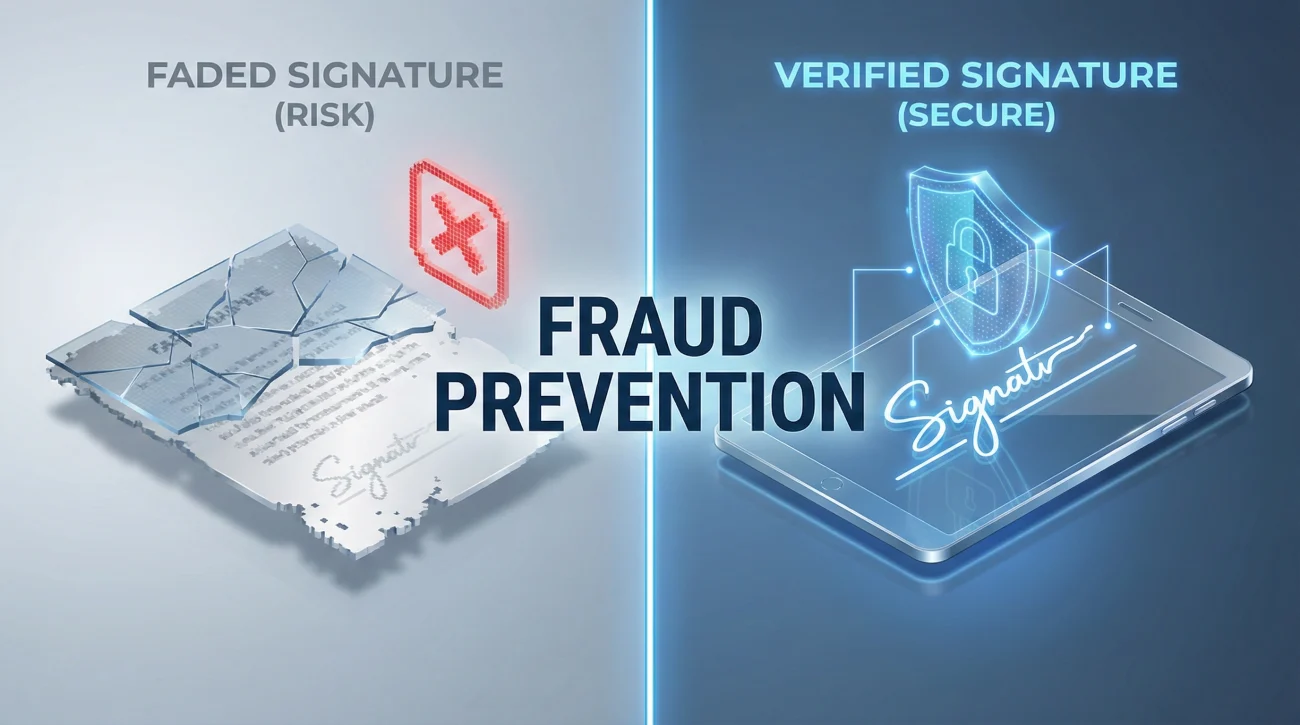
Notarization prevents others from forging your resignation or claiming you resigned when you didn’t. This protection matters most when workplace conflicts create incentives for document manipulation.
High-Risk Situations Requiring Notarization
Consider requesting notarization even if not required when resigning under contentious circumstances. If you anticipate disputes about severance entitlement or contract violations, notarized resignation letters eliminate arguments about document authenticity.
Organizations facing bankruptcy or regulatory investigations sometimes have incentives to falsify resignation dates. Your notarized letter creates a legal record that courts accept without question if disputes arise later.
The Notarization Process Step-by-Step
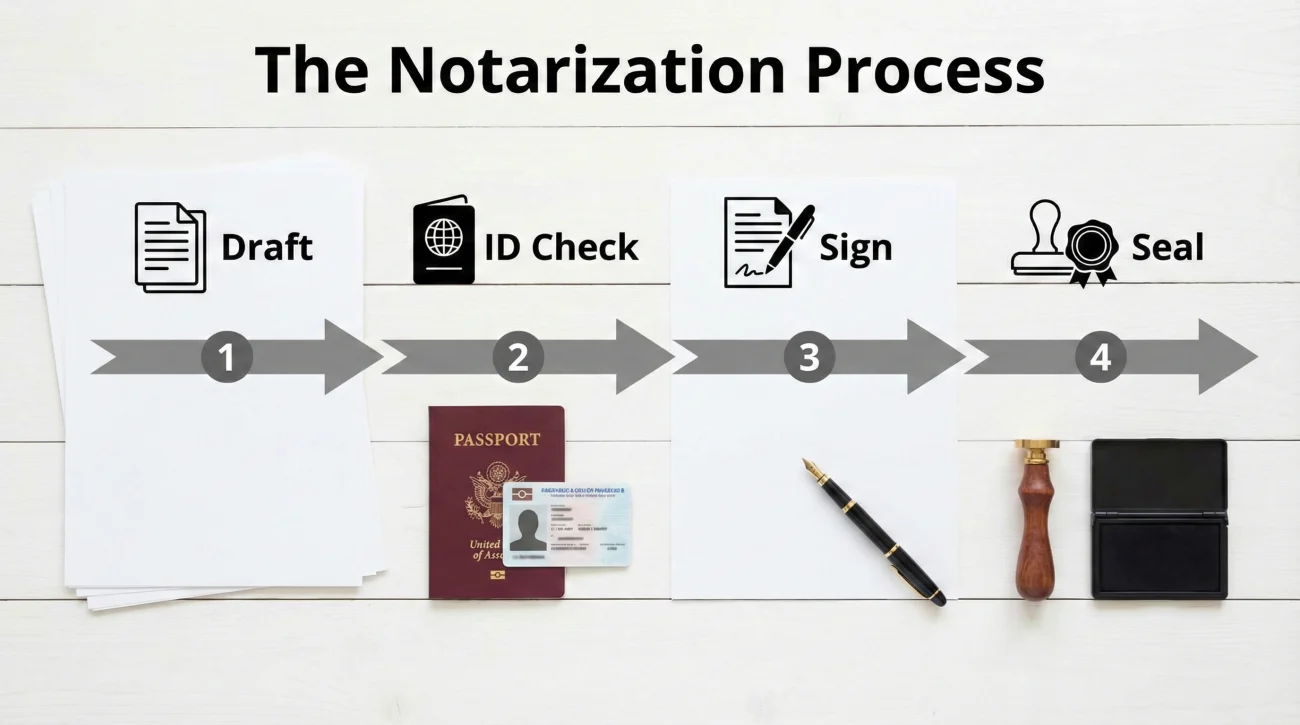
Creating a certified resignation letter requires more planning than standard resignations. The notarization process involves specific steps that cannot be completed via email or remotely in most jurisdictions.
Before Meeting the Notary
- Draft your complete resignation letter with all required information
- Include explicit resignation statement, last working day, and any contractually required language
- Leave space at the bottom for notary seal and signature
- Print the letter on professional letterhead if available
- Do NOT sign the letter yet – you must sign in the notary’s presence
What to Bring to the Notary
- ✓ Government-issued photo ID (driver’s license or passport)
- ✓ Unsigned resignation letter printed and ready
- ✓ Employment contract if it specifies notarization requirements
- ✓ Notary fee (typically $15-25 per signature)
The notary will verify your identity, watch you sign the document, and then add their official seal and signature certifying they witnessed your signature. This process typically takes 10-15 minutes if you arrive prepared.
Remote Online Notarization (RON)
Many states now permit remote online notarization via video conference. RON services let you complete notarization from home using digital signatures and video identity verification. Check whether your state and employer accept RON for resignation letters before using this option.
Federal employers and organizations operating across state lines may not accept RON due to varying state laws. Traditional in-person notarization remains the safest choice for executive resignations and positions with significant legal requirements.
Notarized Resignation Letter Templates
These templates include the specific formatting and language required for notarized resignation documents.
Executive Officer Notarized Resignation
Robert Harrison
4521 Executive Boulevard
Charlotte, NC 28202
January 15, 2024
Board of Directors
Meridian Financial Corporation
1800 Corporate Center
Charlotte, NC 28203
Dear Members of the Board,
I, Robert Harrison, hereby submit my resignation from the position of Chief Financial Officer of Meridian Financial Corporation, effective February 1, 2024.
This resignation is voluntary and made without coercion or duress. I understand this resignation triggers the provisions outlined in Section 7.3 of my Employment Agreement dated March 15, 2019, including the transfer of all financial signing authorities and the return of company property.
I will cooperate fully with the transition process and remain available to assist with the transfer of responsibilities to my successor.
Sincerely,
_________________________________
Robert Harrison
Chief Financial Officer
NOTARY SECTION:
State of North Carolina
County of Mecklenburg
On this ____ day of __________, 2024, before me personally appeared Robert Harrison, known to me (or satisfactorily proven) to be the person whose name is subscribed to the foregoing instrument, and acknowledged that he executed the same for the purposes therein contained.
In witness whereof, I hereunto set my hand and official seal.
_________________________________
Notary Public
My Commission Expires: __________
[NOTARY SEAL]
Partnership Resignation with Notarization
Dr. Emily Chen
emily.chen@email.com
(415) 555-0193
March 8, 2024
Partners
Bay Area Medical Associates
3400 Medical Plaza Drive
San Francisco, CA 94115
Dear Partners,
I, Dr. Emily Chen, formally resign my partnership with Bay Area Medical Associates, effective May 1, 2024, in accordance with Article IX, Section 3 of the Partnership Agreement dated June 1, 2018.
This resignation initiates the buy-out provisions specified in the Partnership Agreement. I request that the partnership accountant prepare the valuation as of May 1, 2024, per the agreement’s terms.
I will complete patient care transitions according to medical board requirements and transfer all patient records to the practice by April 30, 2024.
Respectfully submitted,
_________________________________
Dr. Emily Chen, M.D.
NOTARY ACKNOWLEDGMENT:
State of California
County of San Francisco
Subscribed and sworn to before me this ____ day of __________, 2024, by Dr. Emily Chen.
_________________________________
Notary Public, State of California
Commission Number: __________
My Commission Expires: __________
[NOTARY SEAL]
Distributing Notarized Resignation Letters
Once notarized, your resignation letter becomes a legal document requiring careful handling. Make certified copies before submitting the original – you’ll need copies for your records, potential legal proceedings, and tax documentation.
Proper Delivery Methods
Hand-deliver the notarized original to your board chair, CEO, or designated recipient. Request a signed receipt acknowledging they received the document on a specific date. If hand delivery isn’t possible, use certified mail with return receipt requested to create a postal record of delivery.
Managing Certified Copies
Keep at least two certified copies permanently. One stays in your personal records, the second goes to your attorney if legal issues arise. Do not assume HR will provide copies later – secure your copies before submitting the original.
Costs and Timeline Considerations
Notarization typically costs $15-25 per signature in most states, though some states cap fees at $5-10. Banks often provide free notary services to account holders. UPS stores, FedEx offices, and insurance agencies offer notary services during business hours.
Building Notarization into Your Timeline
Schedule notary appointments at least 2-3 days before you plan to submit resignation. This buffer prevents last-minute complications if your chosen notary is unavailable. Some positions require board meetings to accept resignations – factor this timing into your notice period calculations.
❓ FAQ
📋 Do most employees need notarized resignation letters?
No. Notarized resignations are required primarily for executives, financial officers, licensed professionals in regulated industries, and positions specified in employment contracts. Standard employees can resign with simple written notice without notarization.
💰 How much does resignation letter notarization cost?
Notary fees typically range from $15-25 per signature, though some states cap fees at $5-10. Many banks offer free notary services to account holders. Remote online notarization services charge $25-50 but provide convenience and digital records.
🖊️ Can I sign my resignation letter before getting it notarized?
No. You must sign in the notary’s physical presence. The notary’s role is witnessing your signature, which requires them to watch you sign. If you sign beforehand, the notary cannot legally notarize the document.
💻 Is remote online notarization acceptable for resignation letters?
It depends on state law and your employer’s requirements. Many states permit remote online notarization (RON), but federal employers and some organizations operating across state lines may not accept it. Traditional in-person notarization remains the safest choice for executive positions.
🔄 What if my employer requires notarization but I already resigned without it?
You’ll need to create a new resignation letter, date it with the current date, and have it notarized. Your original resignation date should be referenced in the new letter. This may extend your official departure timeline depending on contract notice requirements.
Final Thoughts
A notarized resignation letter provides legal protection that standard resignations cannot match. The notary’s seal verifies your identity, confirms voluntary resignation, and creates an official record that prevents future disputes about resignation authenticity or timing.
Most employees never need this level of documentation. Standard written resignation satisfies typical employment relationships. However, executives, financial officers, licensed professionals, and anyone with contractual notarization requirements should understand the process before submitting resignation notice.
The modest cost and time investment in notarization pays dividends when legal questions arise months or years after departure. Your notarized resignation letter becomes indisputable evidence that protects both your interests and your former employer’s regulatory compliance needs.
⚠️ Legal Disclaimer: The resignation templates, email samples, and professional guidance provided in this guide are for informational purposes only and do not constitute legal advice. Employment laws and contract requirements vary by jurisdiction and individual circumstances. Please review your employment agreement and consult your HR department and/or a qualified attorney to ensure compliance with applicable laws and policies.