- Core frame: HR resignations are privacy exits, you must protect employee data and trust beyond your last day.
- Confidentiality never ends: Employee records, compensation details, investigations, health information, and strategic plans stay protected permanently.
- Secure handoff matters: Transfer files through approved channels, document custody, and ensure HRIS access is revoked on your final day.
- Device cleanup is mandatory: Delete all HR and candidate data from personal devices, email, and cloud storage, then verify removal with IT.
- Letter focus: State the effective date, commit to a structured transition, and keep reasons and future employer details out of the permanent record.
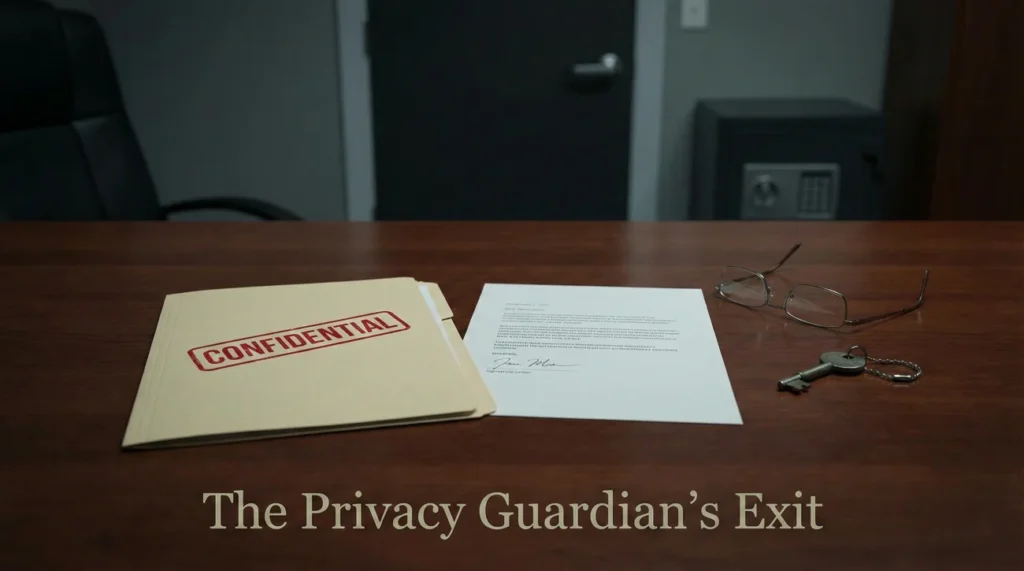
The Privacy Guardian’s Exit Challenge
Leaving a human resources position involves navigating confidentiality obligations that extend far beyond typical employment transitions – you hold sensitive employee data, compensation information, and organizational knowledge that requires careful handling during your departure. A professional HR resignation letter addresses data privacy requirements, demonstrates ethical stewardship of confidential information, and maintains the trust relationships that define effective HR practice and professional reputation in the field.
HR resignations carry unique complexities because you’re the guardian of employee privacy and organizational confidentiality. Your departure requires securing personnel files, transferring sensitive compensation data, and ensuring compliance obligations continue without gaps. The way you exit an HR role directly affects employee trust, data security, and organizational risk management.
This guide provides templates for various HR scenarios – from HR managers to recruiters, covering essential confidentiality protocols for HR departures, proper sensitive data handover procedures, and how to resign while honoring privacy obligations and professional standards.
Confidentiality That Never Expires
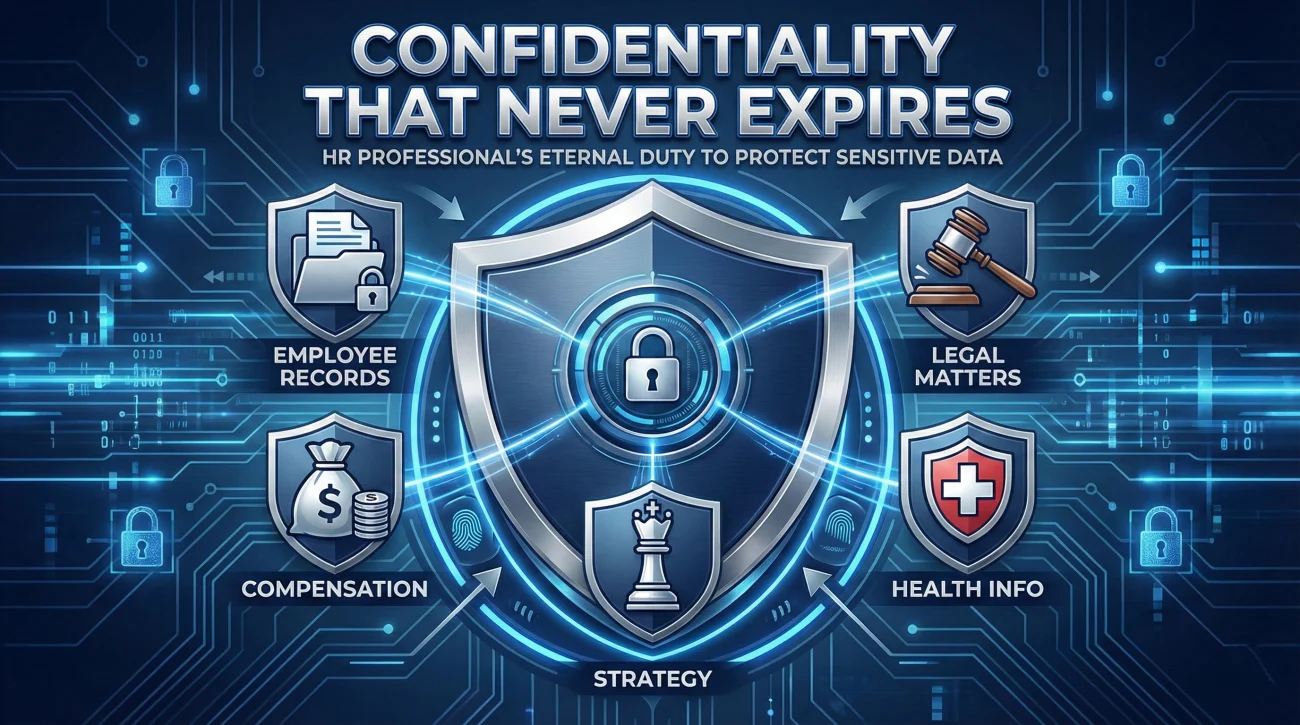
What HR Professionals Must Protect Forever
Your HR professional resignation letter should acknowledge ongoing privacy obligations:
- 🔒 Employee records: Personnel files, performance reviews, disciplinary records remain confidential permanently
- 💰 Compensation data: Salary information, bonus structures, equity details are permanently protected
- ⚖️ Legal matters: Investigations, complaints, settlements require ongoing confidentiality
- 🏥 Health information: HIPAA-protected medical records and accommodations documentation
- 📊 Strategic plans: Reorganizations, layoffs, acquisition discussions remain confidential post-employment
Secure Handoff of Sensitive Information
| Data Type | Transfer Method | Security Requirements |
|---|---|---|
| Personnel files | Secure handoff to HR successor/director | Document chain of custody |
| HRIS access | System admin revokes access | Access terminated on final day |
| Compensation data | Transfer to CFO/successor only | Encrypted transfer, delete from personal devices |
| Investigation files | Secure transfer to general counsel | Confidential briefing, attorney-client privilege |
Regulatory obligations include HIPAA compliance for medical information, EEOC investigations requiring careful transition, ongoing DOL audits needing uninterrupted oversight, ERISA fiduciary duties for retirement plans, and I-9 immigration documentation requiring secure transfer.
HR Leadership Exit Letters
HR Manager Transition Letter
[Your Name]
HR Manager
[Your Email]
[Your Phone]
[Date]
[CEO/President Name]
[Title]
[Company Name]
[Address]
Dear [Name],
I am writing to formally resign from my position as HR Manager at [Company Name], effective [Date].
This decision follows careful consideration of my career development. I have accepted an HR leadership position at another organization that aligns with my professional goals.
During my notice period, I will ensure comprehensive transition of HR operations including:
- Secure transfer of personnel files and employee records to my successor or HR Director
- Documentation of HR systems access, HRIS administration, and vendor relationships
- Briefing on active compliance matters, investigations, and legal issues
- Transition of benefits administration and open enrollment planning
- Coordination of payroll processing and compensation administration handoff
- Removal of all HR data from personal devices with verification
I understand my confidentiality obligations regarding employee information, compensation data, and organizational matters continue indefinitely beyond my employment.
Serving as HR Manager has been professionally rewarding. Thank you for the trust you placed in my leadership of the HR function.
Sincerely,
[Your Signature]
[Your Name]
HR Manager
Director of Human Resources
[Your Name]
Director of Human Resources
[Your Email]
[Your Phone]
[Date]
[CEO Name]
Chief Executive Officer
[Company Name]
Dear [CEO Name],
I am writing to resign from my position as Director of Human Resources at [Company Name], effective [Date].
This extended notice period allows proper transition of strategic HR initiatives and ensures continuity of critical compliance functions. I will focus my remaining time on:
- Completion of [current project/initiative] through [milestone]
- Comprehensive documentation of HR strategy, policies, and procedures
- Transition briefings with executive team on HR priorities and risk areas
- Secure handoff of sensitive employee relations matters to successor or general counsel
- Vendor relationship transfer and benefits renewal coordination
I commit to maintaining strict confidentiality regarding all employee data, compensation information, and organizational matters beyond my employment.
Thank you for the opportunity to lead HR at [Company Name].
Respectfully,
[Your Signature]
[Your Name]
For additional guidance on professional transitions, see our comprehensive resignation letter samples for different positions.
Specialized HR Role Departures
Corporate Recruiter Exit
[Your Name]
[Your Email]
[Your Phone]
[Date]
[HR Manager/Director Name]
[Title]
[Company Name]
Dear [Name],
I am writing to formally resign from my position as [Corporate/Technical] Recruiter at [Company Name], effective [Date].
I have accepted a recruiting position at another organization that offers opportunities to develop my expertise in [specific area].
During my notice period, I will ensure comprehensive transition of recruiting activities:
- Transfer of active candidate pipelines and recruiting status for open positions
- Documentation of recruiting sources, vendor relationships, and university partnerships
- Handoff of applicant tracking system (ATS) management and candidate communications
- Briefing replacement recruiter on hiring manager relationships and requisition priorities
- Deletion of candidate information from personal devices and email
I understand my obligation to protect candidate confidentiality and recruitment strategy information continues beyond my employment.
Thank you for the recruiting experience and professional development opportunity.
Best regards,
[Your Signature]
[Your Name]
HR Generalist Position
[Your Name]
HR Generalist
[Your Email]
[Date]
[HR Manager Name]
HR Manager
[Company Name]
Dear [Name],
I am writing to resign from my position as HR Generalist, with my last day being [Date].
I will ensure proper transition of my HR responsibilities including:
- Transfer of employee relations cases and documentation to successor
- Handoff of onboarding coordination and new hire processing
- Documentation of HR procedures and systems I manage
- Secure return of personnel files and confidential materials
- Removal of employee data from personal devices
I commit to maintaining confidentiality regarding all employee information and HR matters.
Thank you for the HR experience and mentorship.
Sincerely,
[Your Name]
Benefits Administrator Role
[Your Name]
Benefits Administrator
[Your Email]
[Date]
[HR Director Name]
[Company Name]
Dear [Name],
I am resigning from my position as Benefits Administrator, effective [Date].
I will coordinate comprehensive benefits administration transition:
- Transfer of broker relationships and carrier contacts
- Documentation of benefits enrollment procedures and annual renewal timeline
- Handoff of COBRA administration and compliance reporting
- Briefing on 401(k) administration and ERISA fiduciary responsibilities
- Secure transfer of employee benefit elections and medical documentation
I understand my HIPAA obligations regarding employee health information continue permanently.
Thank you for the opportunity to manage benefits administration.
Best regards,
[Your Name]
Compensation and Payroll Specialist
[Your Name]
Compensation Analyst
[Your Email]
[Date]
[HR Director/CFO Name]
[Company Name]
Dear [Name],
I am writing to resign from my position as Compensation Analyst, effective [Date].
I will ensure secure transition of compensation administration:
- Transfer of salary structures and compensation data to authorized personnel only
- Documentation of market analysis methodologies and survey participation
- Handoff of equity administration and bonus program management
- Briefing on pay equity analysis and compliance requirements
- Deletion of all compensation data from personal devices with verification
I understand my obligation to protect salary information and compensation strategy permanently.
Thank you for the compensation expertise development opportunity.
Sincerely,
[Your Name]
Employee Relations Specialist
[Your Name]
Employee Relations Specialist
[Your Email]
[Date]
[HR Director Name]
[Company Name]
Dear [Name],
I am resigning from my position as Employee Relations Specialist, effective [Date].
I will coordinate transition of active employee relations matters:
- Secure transfer of open investigations to successor or general counsel
- Confidential briefing on pending disciplinary matters and performance issues
- Documentation of employee relations case management procedures
- Handoff of accommodation requests and ADA compliance matters
I commit to maintaining strict confidentiality regarding all investigations and employee relations issues.
Best regards,
[Your Name]
Complex HR Exit Situations
Leaving During Active Investigation
If resigning while conducting workplace investigation or during HR audit, coordinate closely with general counsel and executive leadership. Your human resources resignation letter should commit to completing critical compliance matters or providing comprehensive briefing to successor. Don’t abandon active investigations – ethical and legal obligations require proper transition. Document investigation status thoroughly and transfer files securely to appropriate parties.
Departing Over Organizational Violations
If resigning due to organizational compliance violations or ethical concerns, consult employment attorney before submitting resignation. Document concerns separately from resignation letter. Consider whistleblower protections if issues involve legal violations. Keep resignation letter brief and professional – don’t detail compliance issues in writing that becomes organizational record. Report serious violations to appropriate regulatory agencies after seeking legal counsel.
HR Professional During Workforce Reductions
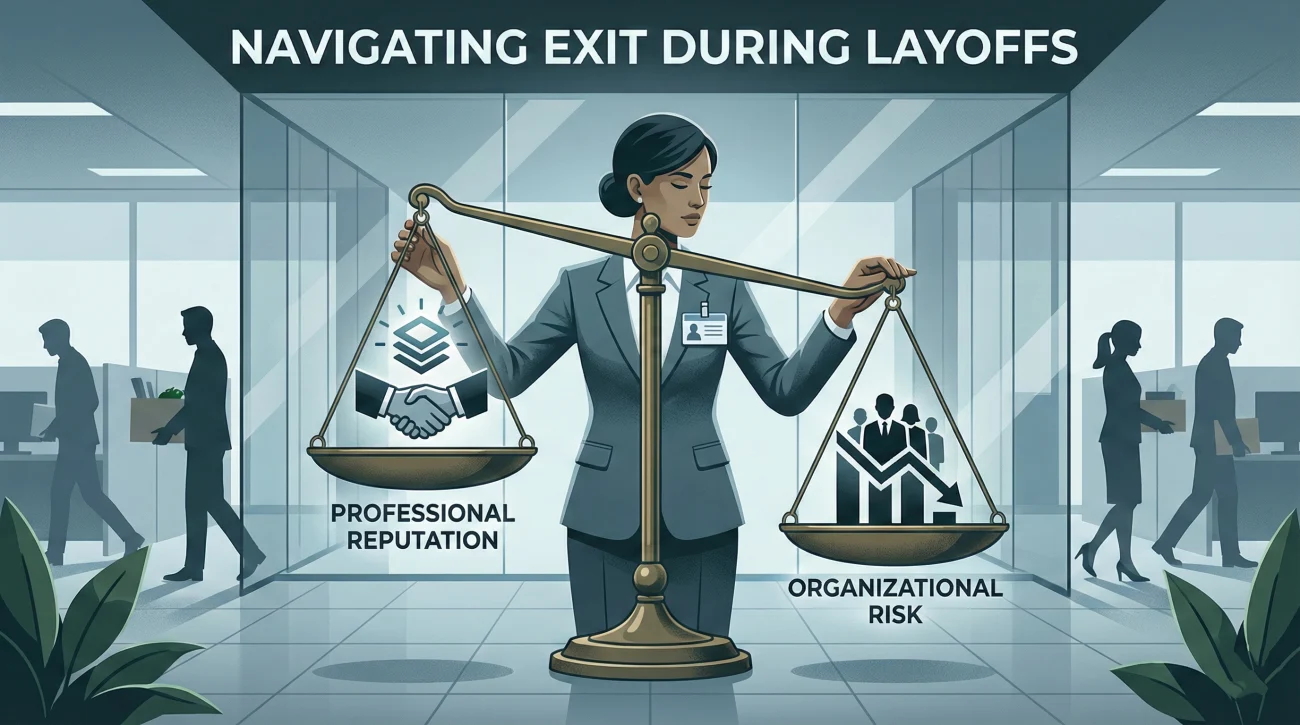
Resigning during organizational layoffs creates complex optics. If you’re orchestrating reductions while planning departure, coordinate timing carefully with executive team. Consider staying through layoff implementation to maintain employee trust and proper compliance. Your recruiter resignation letter timing affects both your professional reputation and organizational risk management. Extended notice may be appropriate to complete reductions ethically.
Joining Competitor Organization
When joining competitor, review non-compete and non-solicitation agreements carefully. Your resignation letter should acknowledge confidentiality obligations without detailing new employer. Don’t recruit employees or candidates to new organization – this violates professional ethics and potentially contractual obligations. Protect current employer’s proprietary HR practices, compensation structures, and strategic workforce planning information permanently.
❓ HR Professional Exit Questions
⏰ How much notice should HR professionals provide?
HR professionals should provide 3-4 weeks minimum, with managers and directors giving 4-6 weeks. Extended notice allows proper transfer of confidential employee data, transition of active compliance matters, and coordination of benefits administration. HR departures require more time than typical positions due to sensitive information handoff and regulatory continuity needs. Check employment contract for specific notice requirements that may exceed standard timelines.
🔒 What confidentiality obligations continue after leaving HR?
All confidentiality obligations continue indefinitely after resignation. You must permanently protect: employee personnel files, salary/compensation data, medical information (HIPAA), active investigations, legal matters, disciplinary records, and strategic organizational plans. Never discuss former employees’ private information, share compensation structures, or disclose investigation details – even years after leaving. These obligations are ethical, legal, and often contractual. Violations can result in lawsuits and professional reputation damage.
💻 How should HR professionals handle employee data on devices?
Delete all employee data immediately from personal devices, email, cloud storage, and home computers. Coordinate with IT to verify complete removal. Document deletion for employer records. Never retain employee information “for reference” – this violates data privacy and security protocols. HR professionals face higher standards than other employees regarding data protection. Failure to properly delete confidential information can result in legal liability, professional reputation damage, and potential HIPAA violations.
📢 Should HR professionals announce their departure to employees?
Coordinate with executive leadership before announcing departure to employees. Leadership typically controls communication timing and messaging about HR changes. Some organizations announce immediately; others wait until replacement hired. Don’t send personal goodbye emails with employee contact information – this violates data privacy protocols. Brief, professional company-wide announcement through approved channels appropriate. Avoid one-on-one goodbyes that might appear to favor certain employees or create perception of impropriety.
⚖️ What if I’m resigning due to compliance concerns?
Consult employment attorney immediately before resigning. Document violations separately from resignation letter with dates, evidence, and witnesses. Consider whistleblower protections for legal violations (wage/hour, discrimination, safety). Keep resignation letter brief without detailing concerns – it becomes company record. Report violations to appropriate regulatory agencies if warranted after legal consultation. Your resignation doesn’t eliminate obligation to report serious compliance breaches, but attorney helps navigate process properly to protect your interests.
Protecting Privacy Beyond Employment

HR professional resignations require exceptional attention to confidentiality and data privacy that extends far beyond typical employment exits. You’ve served as guardian of employee information, organizational compliance, and sensitive business strategies that demand ethical stewardship through your departure and permanently beyond. How you handle HR resignation directly affects employee trust, organizational risk management, and your professional reputation in the human resources field.
The HR community operates on relationships built through conferences, professional organizations, and the surprisingly small networks of practitioners who move between organizations and industries. Word travels about HR professionals who mishandled confidential information during departure or violated privacy obligations after leaving. Your approach to data security, confidentiality protection, and compliance transition becomes part of your professional legacy in human resources.
Transfer sensitive information securely, delete employee data from personal devices completely, maintain confidentiality obligations permanently, and complete your HR responsibilities with the same ethical standards that characterized your service. The employees whose privacy you protected and the organizational trust you honored define your HR career long after your final day.
⚠️ Legal Disclaimer: ResignSmartly provides general informational guidance about resignation, workplace communication, notice periods, handovers, and career transitions. Content does not constitute individualized legal advice. Employment laws, contracts, workplace policies, and individual circumstances vary, so review the requirements that apply to your situation and consult an appropriate qualified professional when needed.