
- Why peer references matter: Recruiters trust coworkers for the ground-truth on how you collaborate, handle pressure, and affect team culture.
- Pick the right people: Prioritize a battle buddy, cross-functional partner, senior peer, or former skeptic, avoid a lunch buddy, yes man, or direct rival.
- Make the ask feel professional: Send a structured note that says why you chose them, what role you are targeting, and what kind of proof the recruiter wants.
- Do not send them in blind: Follow up with a briefing kit that includes your narrative, a memory jogger story, a gentle “do not mention” list, and call logistics.
- Handle edge cases cleanly: Use a character reference frame when needed, offer reciprocity early, and respond gracefully if they decline.
The “Trench Mate” Factor: Why Peer Reviews Win Jobs
Here is a secret from inside the hiring room: Your boss knows what you achieved, but your colleagues know how you achieved it.
When a hiring manager looks at your manager’s reference, they expect a polished, often diplomatic overview of KPIs, targets, and deliverables. It is the “official story.” But when they look for a peer reference, they are hunting for something rawer – something closer to the ground truth. They want to know: Are you the person who stays late to help a teammate debug code when the deadline is looming? Are you the peacemaker who de-escalates tension during heated product roadmap meetings? Or are you the “brilliant jerk” who hits every sales number but destroys the team culture in the process?
In modern organizations – especially in tech, consulting, and agile environments where hierarchy is flattening – asking colleague for a reference is not just a backup plan. It is a strategic power move. It provides the “social proof” that you play well with others, a quality that is becoming a major differentiator in a world where hard skills are increasingly commoditized.
Yet, for many professionals, asking a peer feels significantly more awkward than asking a boss. It feels personal. It changes the dynamic of a work friendship. You might worry about looking desperate, or you might fear they will say “no.” This comprehensive guide is your playbook for navigating those waters. We will move beyond simple email scripts to explore the psychology of the ask, the strategy of selection, and the art of ensuring your colleagues describe you in the best light you’ve earned.
The 360-Degree Truth: Why Recruiters Are Increasingly Focused on “Culture Add”
We are living in the era of the matrix organization. The days of the solitary genius are fading. Success rarely happens in a silo; it happens in the messy, collaborative spaces between departments. Therefore, your ability to influence without authority is a critical skill that a manager often cannot fully verify.
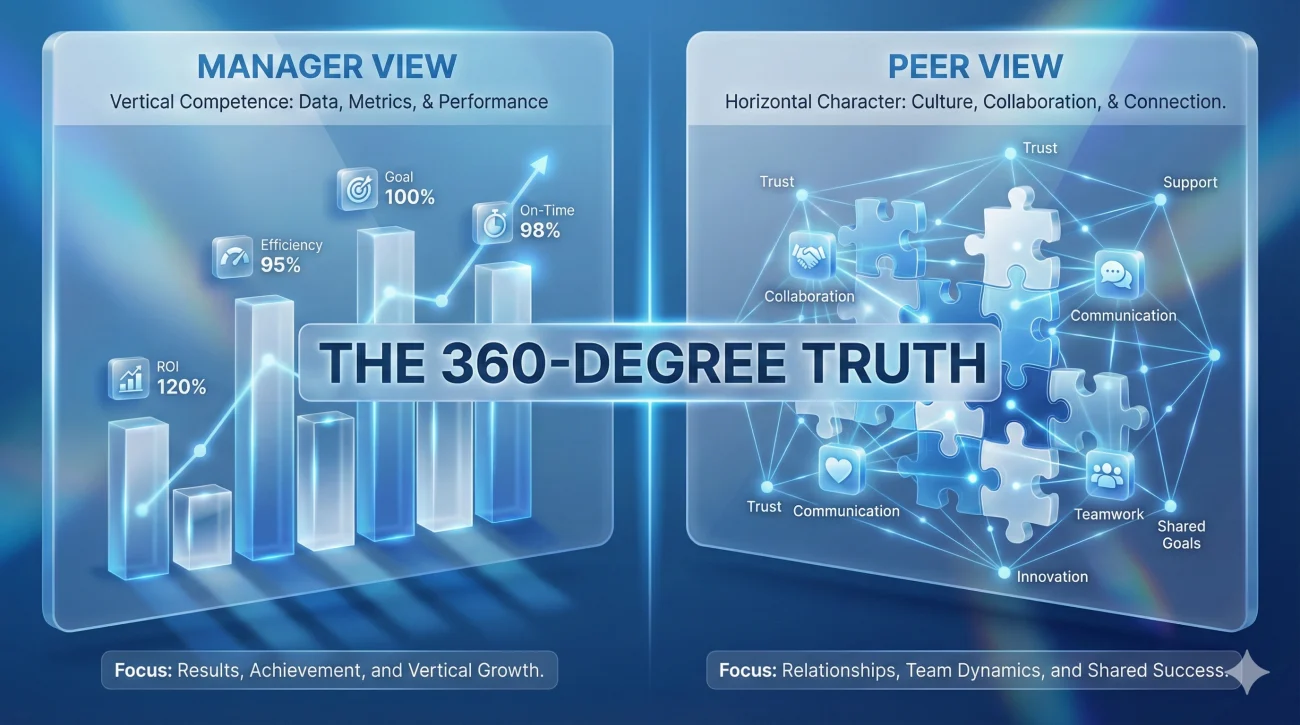
Consider the difference in perspective:
- The Manager’s View (Vertical): “John hit 120% of his sales target in Q3.” This is data. It proves competence.
- The Peer’s View (Horizontal): “When we lost our biggest client and the team was demoralized, John was the one who organized the war room, ordered pizza, and kept morale high while we rebuilt the strategy from scratch.” This is a story. It proves character.
When you master the art of asking coworker for reference support, you are essentially handing the recruiter a 3D model of your professional persona. You are proving that you are not just a good subordinate who follows orders, but a valuable tribe member who elevates the collective intelligence of the group.
Furthermore, peer references are your insurance policy against a bad boss. If you are leaving a job because of a toxic manager who might give you a lukewarm reference, a stellar peer reference from a respected colleague can neutralize that damage. It tells the recruiter: “The problem wasn’t the candidate; it was the environment.”
The Psychology of the Ask: Overcoming the “Cringe” Factor
Why is it so hard to ask a work friend for a favor? It stems from a fear of transactionality. We worry that by bringing a formal career request into a casual work relationship, we are “using” the friendship.
However, this is a limiting belief. In reality, most colleagues feel honored to be asked. It signals that you respect their opinion and value their professional standing. When you ask someone for a reference, you are implicitly saying, “I trust you with my reputation.” That is a powerful bonding moment, not a burden.
The key to overcoming the awkwardness is Professionalizing the Process. If you ask casually by the water cooler (“Hey, can you vouch for me?”), it feels cheap. If you send a thoughtful, structured email explaining why you chose them specifically, it feels like a professional collaboration. We will cover exactly how to do this in the scripts below.
The Selection Matrix: Drafting Your “Reference Dream Team”

Not all colleagues are created equal. The biggest mistake candidates make is picking their “Work Bestie” – the person they grab lunch with every day and complain about the boss to. While this person likes you, they may not be the most credible witness to your professional greatness.
You need to be strategic. Think of this like casting a movie about your career. Who plays the supporting roles that highlight your main-character energy?
The “Green Light” Candidates (Prioritize These) ✅
The “Battle Buddy”: This is someone you worked with on a high-stress, high-stakes project (e.g., a product launch, a crisis, a tight deadline). They have seen you under pressure. Their reference will speak to your resilience and grit.
The Cross-Functional Partner: Someone from a different department (e.g., if you are in Sales, ask someone in Product or Engineering). This is gold for recruiters because it proves you can bridge silos and speak different “languages” within the business.
The Senior Peer: Someone who doesn’t manage you but has more tenure or experience. Their word carries “elder statesman” weight. They can speak to your maturity and growth potential.
The “Former Skeptic”: This is a high-level play. If there was a colleague who initially disagreed with you but was won over by your data or work ethic, their reference is incredibly powerful. It shows you can handle conflict and earn influence.
The “Red Light” Candidates (Avoid These) 🚫
The “Lunch Buddy”: If your relationship is 90% social and 10% work, their reference will sound like a character witness (“She’s so fun!”), not a professional endorsement. Recruiters can smell this bias a mile away.
The “Yes Man”: Someone who agrees with everything but cannot articulate why you are good. Vague praise (“He’s great at everything”) is worse than no praise.
The “Direct Rival”: Even if you are on polite terms, do not ask someone you competed directly with for resources or promotions. Subconscious bias is real, and the risk of a “damning with faint praise” reference is too high.
The Master Scripts: How to Ask Without Being Awkward
The goal of these emails is to make the request feel like a professional compliment, not a heavy burden. Use these templates to frame your request, but adapt them to your authentic voice.
Scenario 1: The “Skill Verification” (For Hard Skills)
Context: You are applying for a technical role (Developer, Analyst, Accountant) and need to prove you can walk the walk. Peer validation is often more trusted here than manager validation because peers actually see the code/work.
Use this for: A classic peer reference request email for technical roles.
Subject: Reference Request: [Your Name] / Data Migration Project
Hi Jennifer,
I hope you’re surviving the Q4 crunch! I’m currently in the final stages of interviewing for a Senior Analyst role at [Company]. They are looking for someone strong in SQL optimization and cross-system integration – basically, exactly what we tackled together on the Data Migration Project last year.
Since you were the one reviewing my code and working alongside me in the trenches during that migration, your perspective on my technical execution would be incredibly valuable to them. You saw the messy reality of how we fixed those database errors, not just the final report.
Would you be open to a brief 10-minute call with their hiring manager to speak to my technical skills? I can send over a one-pager on the new role so you aren’t going in blind.
No pressure at all if you’re swamped right now. I completely understand.
Best,
Marcus
Scenario 2: The “Culture Add” (For Soft Skills)
Context: You are applying for a role that requires leadership, empathy, or collaboration (e.g., Project Manager, HR, Team Lead). You need to prove you are a “glue” person.
Subject: Quick favor / Valuing your perspective
Hi David,
I hope the Q3 launch is going well! I’m reaching out because I’m applying for a Project Coordinator role that is heavy on stakeholder management.
I immediately thought of you because of how closely we worked during the [Project Name]. I feel like you saw firsthand how I handled the pushback from the engineering team and kept everyone aligned when tensions were high.
Would you be willing to provide a peer reference? They are mostly interested in “how” I work with others and handle cross-functional conflict. I’d be happy to return the favor anytime you need a colleague recommendation letter request fulfilled.
Thanks,
Sarah
Scenario 3: The “Senior Peer” (The Heavy Hitter)
Context: Asking someone senior (who isn’t your boss) creates a bridge between a peer review and a management review. It shows you have the respect of the leaders in the room.
Subject: Valuing your opinion / Reference Request
Hi Rachel,
I am applying for a Lead Designer role at Vertex. While you weren’t technically my manager, you acted as a mentor to me on the Design Systems overhaul, and I value your opinion immensely.
Would you be open to speaking to their hiring manager about my growth from mid-level to senior designer over the last two years? Your endorsement would carry a lot of weight regarding my readiness to lead a team of my own.
I’ve attached the job description so you can see what they are looking for.
Warmly,
Alex
The “Character Reference” Curveball
Sometimes, usually for government jobs, non-profits, or bar admissions, you will be asked for a “Character Reference.” This is different. They don’t care about your Excel skills; they want to know if you are a good human being. They are checking for red flags: dishonesty, laziness, instability.
When sending a character reference email from friend or colleague, you need to pivot the focus to integrity and reliability.
Subject: Character Reference for [Your Name]
Hi [Name],
I have an unusual request. I am applying for a position with [Organization] that requires a character reference to verify my background and integrity.
Since we have known each other for five years – both working at Thompson and volunteering together at the food bank – I thought you would be the perfect person to speak to my reliability and ethics outside of just “hitting quotas.”
Is this something you would be comfortable doing? Please only say yes if you feel you can speak to this genuinely, as it is a critical part of their background check.
Thanks,
Marcus
The “Briefing Kit”: Don’t Send Them in Naked
You’ve sent the email. They said “Yes.” Congratulations! But your job isn’t done. The biggest mistake you can make is letting your colleague figure out what to say on their own. They might ramble about how fun you are at parties, or mention a project that isn’t relevant to the new job.
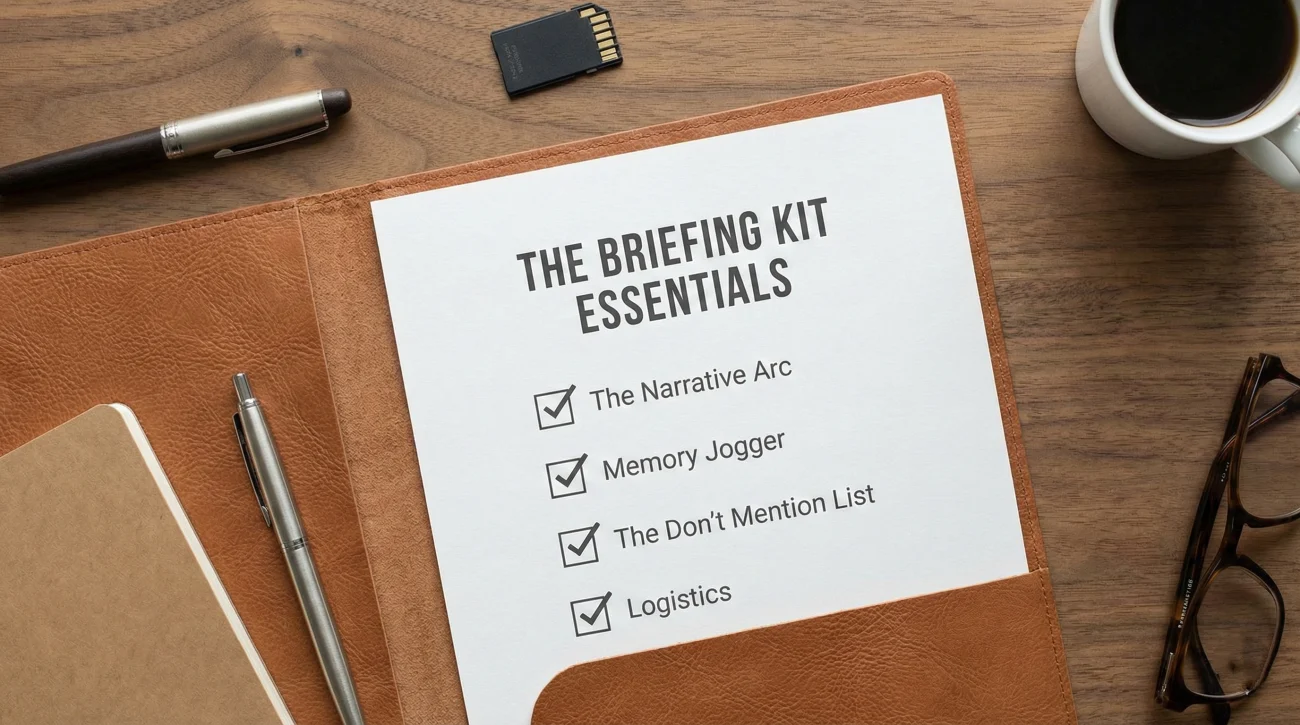
You need to arm them with a “Briefing Kit.” This is simply a follow-up email sent 24-48 hours before their call with the recruiter.
What to Include in the Briefing Kit:
- The Narrative Arc: “For this role, I’m pitching myself as a ‘Turnaround Expert.’ It would be great if you mentioned the time I fixed the broken billing system.”
- The “Don’t Mention” List: (Diplomatically) “They are looking for someone very organized, so maybe let’s focus on my project management tools rather than my creative chaos phase in 2021!”
- The Memory Jogger: “Remember that Q4 crunch? Specifically, how we stayed late to fix the server? That’s the vibe I want to highlight – reliability under fire.”
- The Logistics: “They will call you from a 212 number on Tuesday at 3 PM. The recruiter’s name is Sarah.”
This ensures they stay on message and feel confident going into the call. They will appreciate the prep work because it makes them look smart and articulate.
The Law of Reciprocity: The “Warm Up”

The absolute best way to get a peer reference? Offer one first.
If you have a colleague you respect, don’t wait until you need a favor. Tell them today: “Hey, I’m updating my reference list and I’d love to list you. I’d also be more than happy to serve as a reference for you in the future – I think your work on [Project] was stellar.”
This transforms the interaction from a “favor” into a “mutual defense pact.” You become allies in each other’s career growth. This is the essence of professional networking – it’s not about using people; it’s about lifting each other up. If you do this consistently, you will never have to “beg” for a reference; you will have a lineup of people waiting to return the favor.
Troubleshooting: What If…?
What if they say “No”?
It stings, but don’t panic. They might be saying no because of company policy (some HR departments forbid any references) or because they don’t feel they know your work well enough. Reply with grace: “I completely understand! I appreciate you considering it. Let’s grab coffee soon regardless.” Do not burn the bridge.
What if they give a bad reference?
This is rare if you choose wisely. However, you can mitigate this by only asking people who have explicitly praised your work in the past. If you are unsure, do a “temperature check” first: “Do you feel you know my work well enough to write a strong recommendation?” If they hesitate, withdraw the request gracefully.
Final Thoughts: Your Reputation is a Team Sport
We tend to think of our careers as solo climbs, but the higher you go, the more you realize it’s a team sport. Your ability to cultivate allies who will vouch for you when you aren’t in the room is a superpower.
Don’t leave the asking colleague for a reference process until the last minute. Build these relationships now. Do great work. Be a good teammate. Be the person others want to recommend. And when the time comes, make the ask with confidence, knowing you have earned every word of praise they will give you.
For more insights on managing your professional exits and reputation, explore our guides on resignation etiquette and goodbye emails.
⚠️ Legal Disclaimer: ResignSmartly provides general informational guidance about resignation, workplace communication, notice periods, handovers, and career transitions. Content does not constitute individualized legal advice. Employment laws, contracts, workplace policies, and individual circumstances vary, so review the requirements that apply to your situation and consult an appropriate qualified professional when needed.