- Core idea: Your last working day email to your boss is a final seal that protects you legally and strengthens future references.
- Main goals: Liability shield, reference lock, boundary setter, so your exit is documented, respected, and closed.
- Best timing: Send it on your last day morning around 9:00 to 10:00 AM so questions get resolved while you still have access.
- Zero-ambiguity anatomy: Confirm handover with names and links, document asset returns with timestamps, add an emergency-only contact channel.
- Tone and risks: Match warmth to the relationship, use the right template, and avoid feedback bombs, ghost exits, or open-ended “call me anytime” lines.
The Final Sign-Off: Turning Your Last Email Into a Career Asset
There is a quiet power in how you close the door. Your last working day email to boss is not merely a polite wave goodbye; it is the final seal on your tenure. It serves a dual purpose: it is a legal safeguard proving you have fulfilled your duties, and it is a strategic tool to cement a positive reference for years to come. Handle this wrong, and you leave a trail of ambiguity that can tarnish even the best track record.
Many professionals treat this email as an afterthought – a quick “Thanks for everything” sent from the parking lot. This is a missed opportunity. Your manager is the gatekeeper to your future background checks and references. Even if your time there was imperfect, this email is your chance to control the narrative of your departure.
In this masterclass guide, we will dissect the anatomy of the perfect sign-off. We will move beyond generic pleasantries and focus on the “Zero-Ambiguity Protocol”: how to document your exit so clearly that no one can ever claim you left them in the lurch. Whether you are leaving a mentor you adore or a manager you endured, this is how you exit with your reputation bulletproof.
The Strategic Objectives: Why This Email Matters
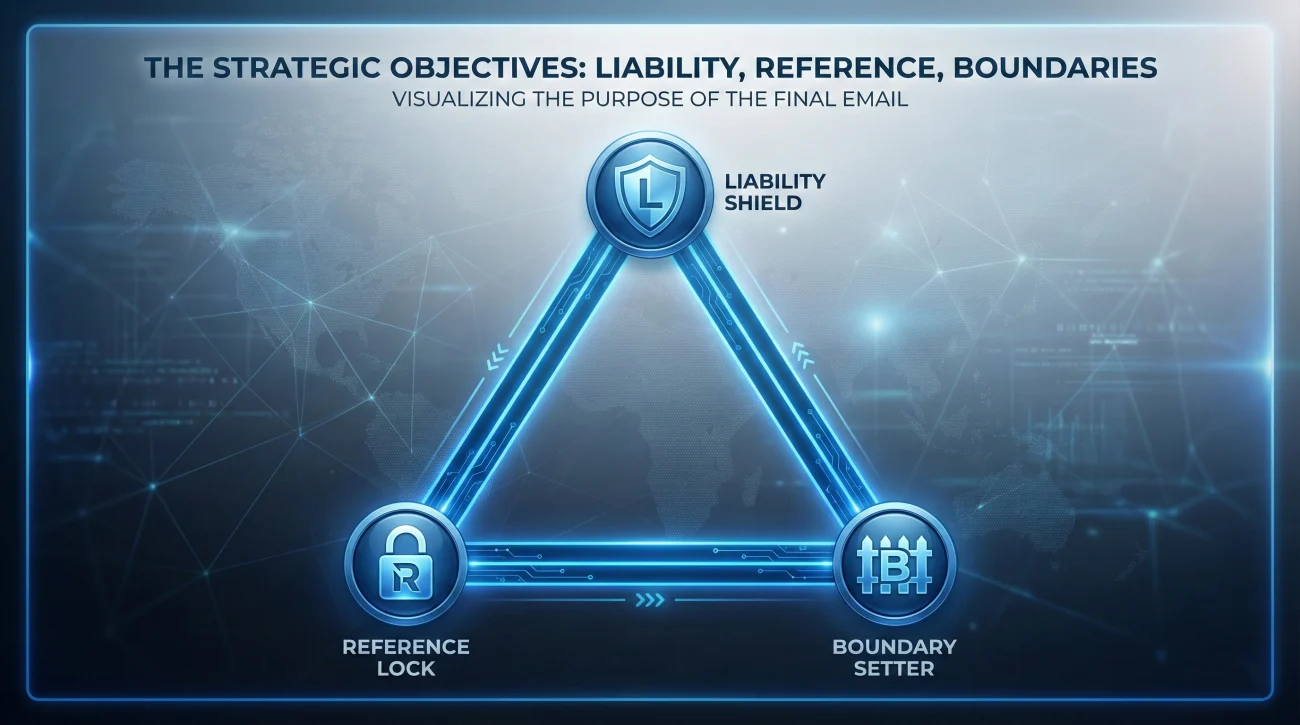
Unlike the farewell email to your team (which is about emotion and connection), the email to your manager is about Accountability and Closure. It needs to achieve three specific strategic goals:
- 🛡️ The Liability Shield: It creates a timestamped record that you returned all equipment, handed over all passwords, and cleared all tasks. This protects you from post-departure deductions or accusations of negligence.
- 🤝 The Reference Lock: It reminds the manager of your value one last time, making it easier for them to write a glowing recommendation later.
- 🛑 The Boundary Setter: It clearly defines the end of your availability, preventing the “Just one quick question” texts next week.
The 9:00 AM Rule: Precision Timing
Do not send this email at 5:00 PM as you walk out. That looks like you are fleeing the scene. The optimal time to send your final check in with boss is the morning of your last day (between 9:00 AM and 10:00 AM).
Why the morning?
- It gives your manager the entire day to ask clarifying questions while you still have access to the systems.
- It signals that you are working through your last day, not just checking out early.
- It allows time for a final, relaxed in-person (or video) goodbye if they choose to initiate it.
The Anatomy of the “Zero-Ambiguity” Sign-Off
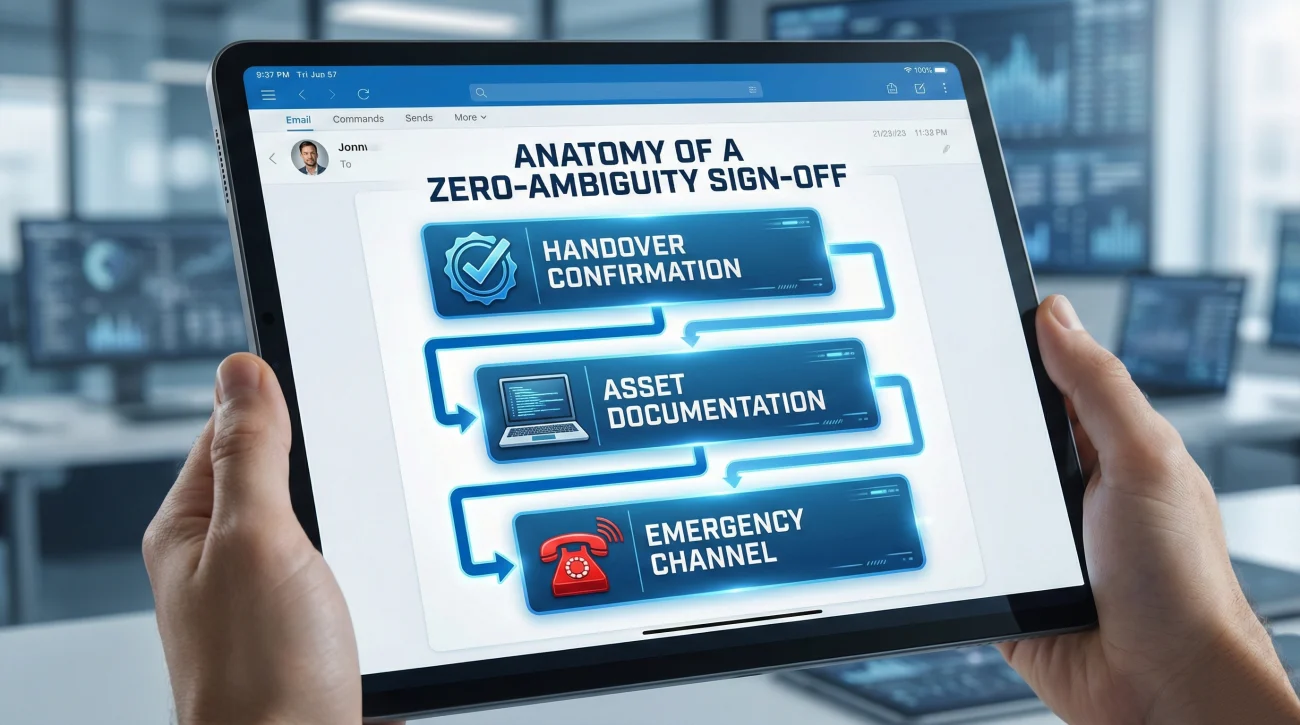
To be effective, your last day report to manager must contain specific data points. Vague statements like “I handed everything over” are insufficient.
1. The Handover Confirmation
Be granular. Do not assume they know what you did.
“I have transferred ownership of the Q3 Marketing Deck to Sarah. The files are located in [Link]. Sarah confirmed she has access this morning.”
2. The Asset Documentation
This prevents the “Where is your laptop?” panic.
“My laptop (Tag #1234) and badge were returned to IT at 8:30 AM today. I have the receipt from John.”
3. The “Emergency Only” Channel
Provide your personal email, but frame it correctly. Do not say “Call me for anything.”
“If there are any critical questions regarding the handover documents, feel free to reach me at [Email]. For all other matters, I know the team has it covered.”
The Relationship Matrix: Matching Tone to Reality
One size does not fit all. Sending a warm, gushing email to a toxic boss looks sarcastic. Sending a cold, formal email to a mentor looks ungrateful. Use this matrix to calibrate your tone.
| Relationship Type | The Strategy | The Key Phrase |
|---|---|---|
| The Mentor (High Trust) | Deep gratitude. Specific examples of growth. Future-focused connection. | “Your guidance on [Project] shaped my career.” |
| The Standard Manager (Neutral) | Professional. Focused on completion and smooth transition. Polite. | “Thank you for the opportunity to work with the team.” |
| The Difficult Boss (Low Trust) | Strictly factual. Brief. Protective. Zero emotion. | “This confirms all duties are discharged.” |
Master Templates for Every Scenario
Choose the template that fits your situation, but always customize the details.
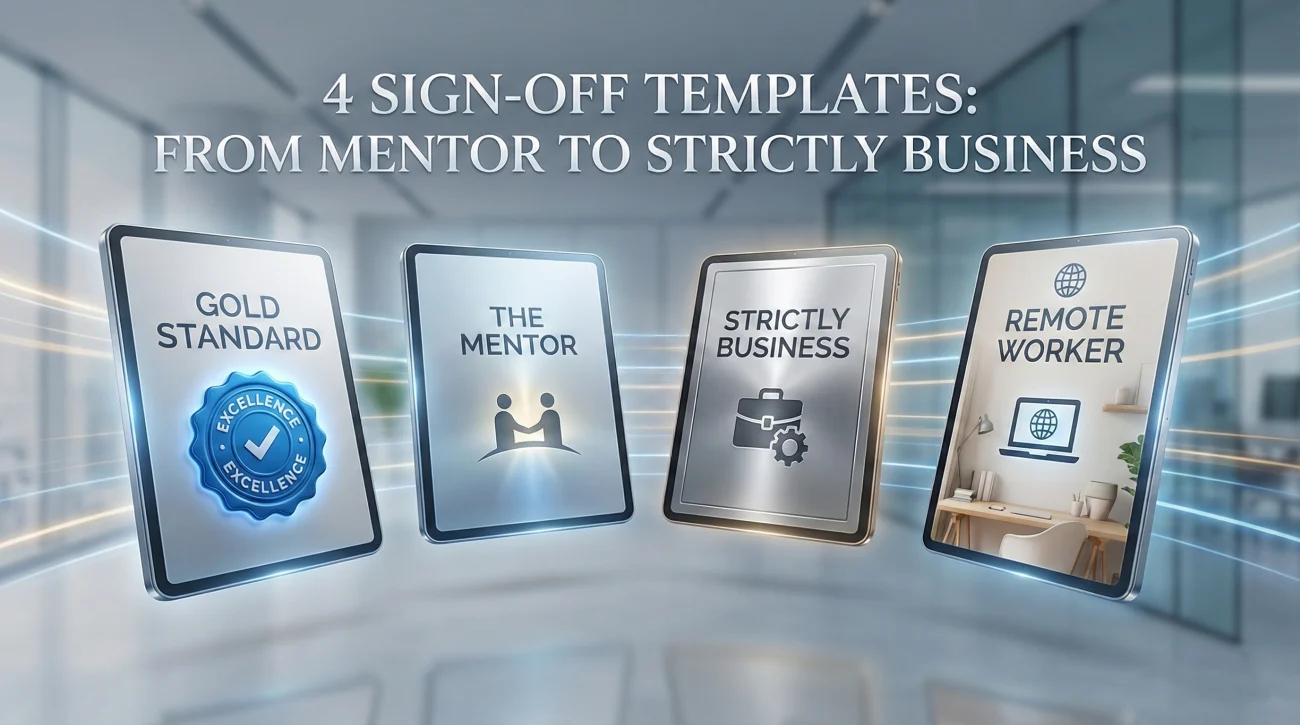
Scenario A: The “Gold Standard” (Professional & Thorough)
Use this for a good relationship where you want to leave the door open. This is the safest bet for 90% of exits.
Subject: Final Sign-Off & Handover Completion – [Your Name]
Hi [Manager Name],
As today is my last day, I wanted to send a final note confirming that my transition is complete and to thank you for your support during my time here.
✅ HANDOVER STATUS
- Projects: All active tasks have been transferred to [Successor Name]. We completed a final walkthrough yesterday.
- Documentation: The master handover file is saved here: [Link]. It includes login details, key contacts, and status reports.
- Assets: My laptop and badge have been returned to IT/HR.
🙏 THANK YOU
I have truly enjoyed working on the [Specific Team/Project]. I particularly appreciated your guidance during [Specific Event/Challenge] – it taught me a lot about [Skill].
📞 STAYING IN TOUCH
I would love to stay connected. You can reach me at [Personal Email] or on LinkedIn [Link]. Please don’t hesitate to reach out if you need a reference or just to catch up in the future.
Wishing you and the team a fantastic Q4.
Best regards,
[Your Name]
Scenario B: The “Mentor” Farewell (Warm & Personal)
Use this for a boss who invested in you. This builds a lifelong advocate.
Subject: Signing Off – Thank you for everything
Hi [Manager Name],
Before I log off for the final time, I wanted to send a personal note of thanks.
Working under your leadership for the past [Time] has been a highlight of my career. Your mentorship, especially regarding [Specific Skill], has shaped me as a professional. I will never forget how you supported me during [Specific Challenge] – that meant a lot.
Logistics Update:
I have confirmed with [Successor] that they have everything they need. My files are organized in the shared drive, and my equipment is returned.
I am moving on to a new role, but I hope to carry the standards you set with me. Let’s definitely grab coffee in a few months once the dust settles.
Thank you for betting on me.
Warmly,
[Your Name]
Scenario C: The “Strictly Business” (Difficult Relationship)
Use this when you need to protect yourself legally but want to avoid any emotional engagement. Keep it cold, hard, and factual.
Subject: Handover Confirmation – [Your Name] – Final Day
Hi [Manager Name],
This email serves as confirmation that I have completed my final day responsibilities.
COMPLETION LOG:
- Handover: All documentation has been sent to [Name] as requested.
- Equipment: Laptop and keys returned to HR at 9:00 AM (Receipt attached).
- Access: I have logged out of all company systems.
My forwarding contact information has been provided to HR for any final administrative documents.
I wish the company the best in its future endeavors.
Regards,
[Your Name]
Scenario D: The “Remote Worker” Sign-Off
For remote roles, confirming digital asset transfer is even more critical since there is no physical handoff.
Subject: Final Log Off: Handover & Access Transfer
Hi [Manager Name],
I am wrapping up my final tasks and preparing to log off.
🔐 ACCESS TRANSFER
- Passwords: All shared credentials have been updated in 1Password and ownership transferred to you.
- Files: I have moved all my local drafts to the Google Drive folder: [Link].
- Equipment: The return box for my laptop was shipped via FedEx this morning. Tracking number: [Number].
Thank you for the flexibility and trust during my time here. It was a pleasure working with you virtually.
Best,
[Your Name]
The “Do Not Send” List: Career-Limiting Errors
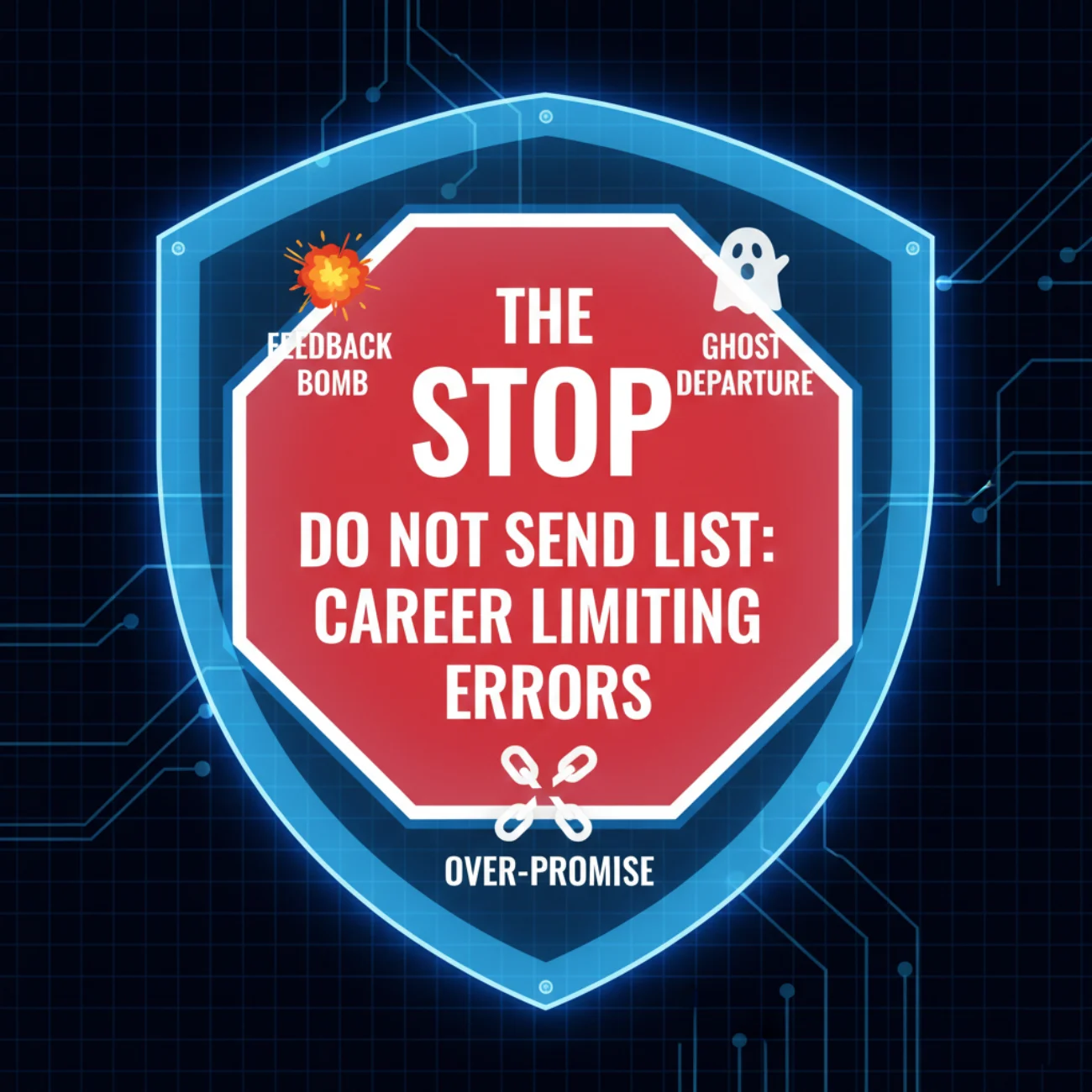
The relief of leaving can make you sloppy. Avoid these common mistakes in your signing off email to boss.
| The Mistake | Why It Hurts You |
|---|---|
| ❌ The “Feedback Bomb” “I hope you treat the next person better.” | This is not the time for coaching. It makes you look bitter and ensures a bad reference. Save it for the HR exit interview (or keep it to yourself). |
| ❌ The “Ghost” Departure Sending nothing at all. | This signals a lack of professionalism. It leaves your manager wondering if you actually finished your work. |
| ❌ The “Over-Promise” “Call me anytime if you get stuck.” | Do not offer unlimited support unless you are being paid as a consultant. Set boundaries immediately. |
❓ FAQ
📝 Should I ask for a reference in this email?
No. Keep this email focused on closure and handover. Asking for a favor (reference) in the same email you are saying “goodbye” dilutes the professionalism. Send a separate LinkedIn message or email 2-3 weeks after you leave, once the dust has settled and they realize how much they miss you.
💼 What if I haven’t finished everything?
Be honest. Do not lie and say “done.” Instead, list the status as “Pending” and name the person who has the context. Example: “The Q4 report is 80% complete; I have briefed Sarah on the remaining data points needed.” This transfers the responsibility cleanly.
📧 Should I cc the whole team?
No. This email is a direct line to your manager. It contains administrative details (like asset returns) that the team does not need to see. Send a separate, warmer farewell email to the wider team (see our Team Farewell Guide).
Final Thoughts: The Last Act of Professionalism
Your last working day email to boss is your signature on your body of work. It is the final artifact you leave behind. By making it clear, professional, and definitive, you ensure that your manager remembers you as someone who finished strong.
Close the loop. Lock in the reference. Walk away free. For more tools on managing your transition, check out our goodbye and handover emails category or visit the ResignSmartly homepage.
⚠️ Legal Disclaimer: The resignation templates, email samples, and professional guidance provided in this guide are for informational purposes only and do not constitute legal advice. Employment laws and contract requirements vary by jurisdiction and individual circumstances. Please review your employment agreement and consult your HR department and/or a qualified attorney to ensure compliance with applicable laws and policies.