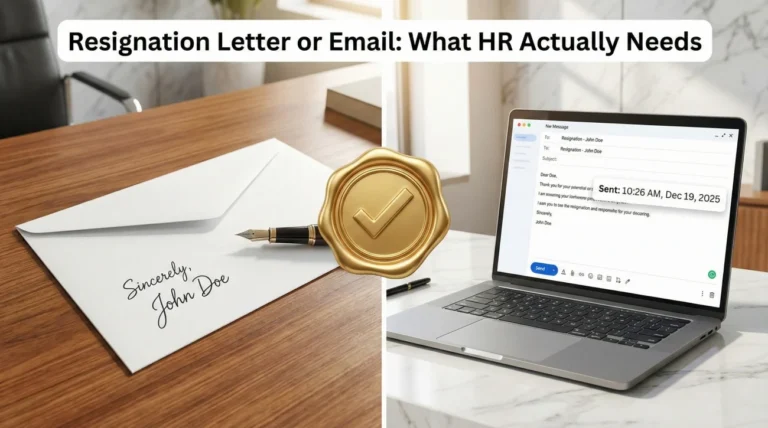

- Core Rule: Treat the letter as a permanent record, stay neutral and factual even if the boss was toxic.
- Why Restraint Wins: Angry details can damage references, weaken legal position, and follow you for years in HR files.
- Minimalist Template: Include resignation statement, exact last day, title, and a neutral close, omit reasons and forced gratitude.
- Never Include: Criticism, misconduct allegations, “toxic culture” claims, sarcasm, threats, or advice for management, save feedback for HR exit interview.
- Exit Strategy: Deliver early-week, copy HR if needed, keep verbal talk minimal, document interactions, and use notice length that protects your safety and health.
Escaping Toxic Management Without Creating More Problems
A resignation letter for toxic boss requires extraordinary self-control. After enduring months or years of poor management, writing professionally to someone who created miserable working conditions feels unfair. The temptation to express accumulated frustration runs strong when finally escaping toxic situations.
Yet crafting a polite resignation letter for toxic boss protects your interests far better than cathartic honesty. Your resignation letter becomes permanent documentation that future employers may review. Words written in anger today can haunt reference checks, background verifications, and professional reputation for years.
This guide explains how to write resignation letter for bad boss that maintains professional standards while protecting your dignity and future opportunities. For complete resignation guidance, see our resignation letter etiquette guide.
Why Professional Restraint Matters More Than Justice
Writing professional resignation letter bad manager contradicts natural impulses for confrontation or truth-telling. Understanding long-term consequences helps resist short-term satisfaction of expressing honest opinions.
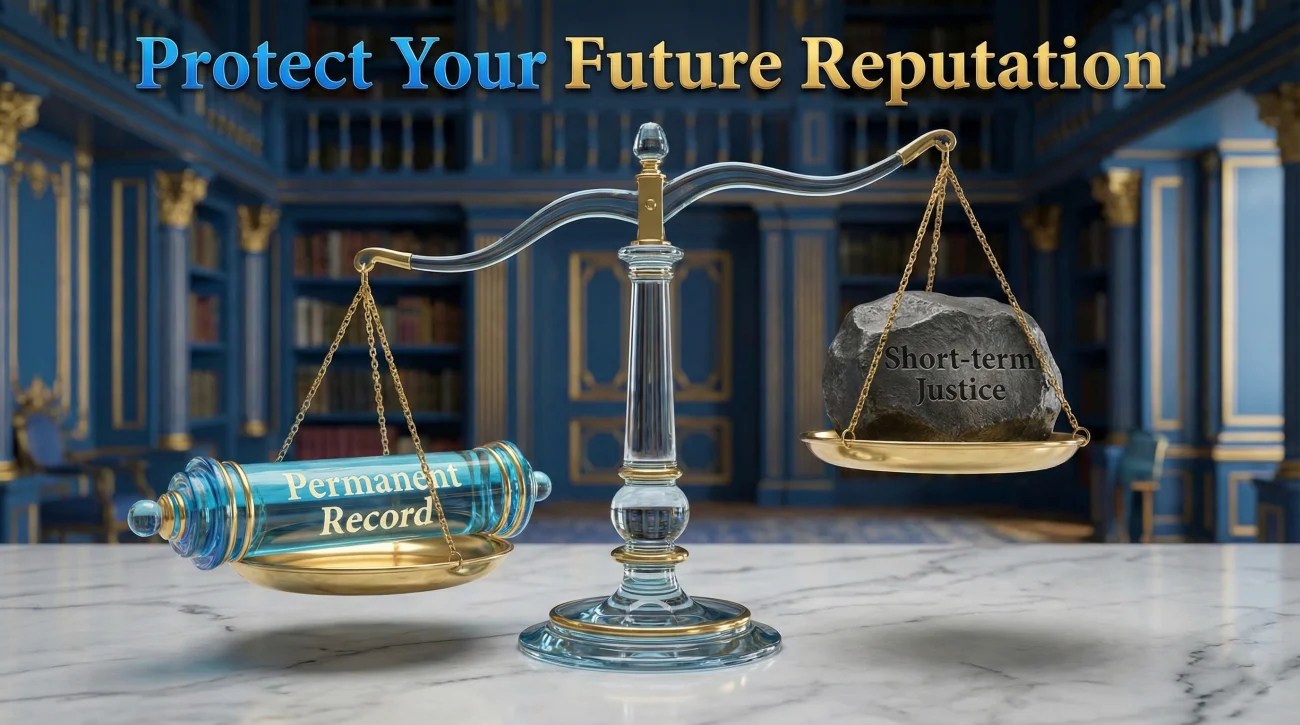
Your Letter Lives Forever
Resignation letters remain in personnel files indefinitely. Background check companies request these documents. Future employers conducting thorough due diligence may review your resignation letter from ten years ago. The angry words that felt justified at age twenty-five read as unprofessional when you’re interviewing for director positions at forty.
Reference Implications
Toxic bosses sometimes provide surprisingly candid references – especially when departing employees wrote inflammatory resignation letters giving them defensive ammunition. Your professional resignation letter denies them justification for negative references. They struggle explaining why they gave poor references to employees who exited gracefully and diplomatically.
Legal Self-Protection
Resignation letters attacking managers or alleging misconduct create evidence employers use against you in legal disputes. If you later pursue constructive discharge claims or workplace violations, your angry resignation letter undermines credibility. Attorneys advise neutral professional resignations that don’t accidentally sabotage legal positions.
Taking the High Road Demonstrates Character
Colleagues remember employees who maintained dignity under difficult circumstances. Your professional resignation despite toxic management demonstrates maturity and emotional intelligence that enhances rather than diminishes your reputation. Conversely, angry resignations make you look unstable regardless of how justified the anger.
The Minimalist Safe Approach
When resigning from toxic situations, less is always more. Minimalist letters reduce opportunities for misinterpretation while fulfilling resignation documentation requirements.
Essential Information Only
- Clear resignation statement
- Specific last working day
- Your job title
- Brief neutral closing
Omit Everything Else
No gratitude expressions if you feel none. No reasons for resignation if honest reasons sound negative. No transition offers if you want minimal interaction during notice period. The minimalist approach provides necessary information without pretending positive feelings you don’t possess.
Strictly Neutral Language
Every sentence should pass the “could this be misinterpreted” test. Avoid phrases that could read as passive-aggressive sarcasm: “Thank you for the unique learning experience” sounds diplomatic but reads as veiled criticism. Straightforward factual statements prevent misinterpretation entirely.
What Never Belongs in Toxic Boss Resignations
Certain content creates permanent problems regardless of how justified or true the statements might be.
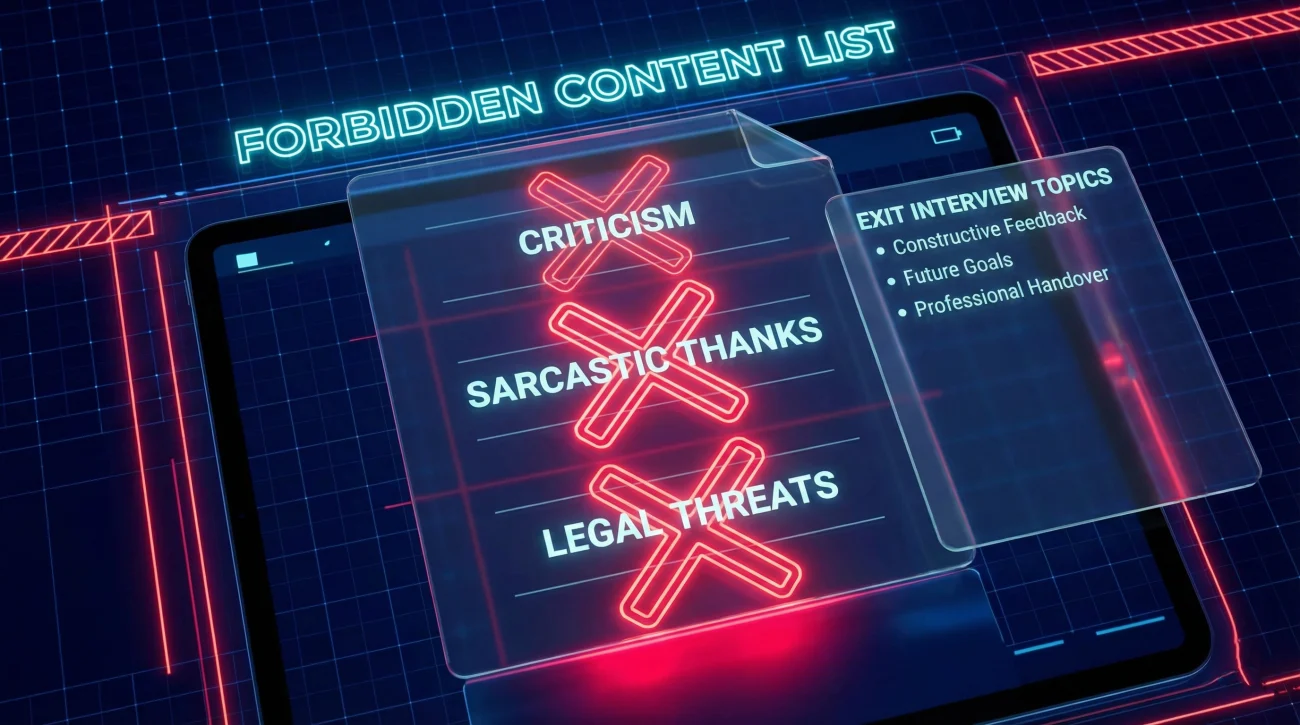
Absolutely Forbidden Content
- ✗ Direct criticism of management style or decisions
- ✗ Allegations of harassment, discrimination, or misconduct
- ✗ Comparisons to previous or future managers
- ✗ Statements about workplace toxicity or poor culture
- ✗ Complaints about specific incidents or confrontations
- ✗ Threats of legal action or regulatory complaints
- ✗ Sarcastic “thank yous” for negative experiences
- ✗ Advice about how management should improve
Save Everything for Exit Interviews
Exit interviews provide appropriate venue for honest feedback about management problems. These conversations occur in confidential settings with HR documentation rather than permanent resignation letters accessible to multiple parties. Express concerns verbally in exit interviews, not written resignations.
Minimalist Safe Templates
These ultra-brief templates fulfill resignation requirements without providing ammunition for toxic managers.

Absolute Minimum Template
Jennifer Martinez
jennifer.martinez@email.com
(415) 555-0189
May 15, 2024
Robert Williams
Department Manager
Acme Corporation
Dear Mr. Williams,
I am resigning from my position as Marketing Coordinator, effective May 29, 2024.
Sincerely,
[Signature]
Jennifer Martinez
Slightly Expanded Safe Version
Marcus Thompson
marcus.thompson@email.com
(312) 555-0145
June 8, 2024
Patricia Anderson
Operations Director
Midwest Solutions Inc.
Dear Ms. Anderson,
I am writing to resign from my position as Operations Analyst, effective June 22, 2024, providing two weeks’ notice.
I will complete documentation for my current projects during the transition period.
Best regards,
[Signature]
Marcus Thompson
With Neutral Reason Statement
Rachel Morrison
rachel.morrison@email.com
(503) 555-0167
April 12, 2024
Steven Parker
Regional Manager
Pacific Enterprises
Dear Mr. Parker,
I am resigning from my position as Sales Associate, effective April 26, 2024.
I have accepted a position that better aligns with my career goals and professional development objectives.
I will ensure all client documentation is current before my departure.
Sincerely,
[Signature]
Rachel Morrison
Strategic Delivery for Toxic Situations
How and when you deliver resignation letters to toxic bosses affects final weeks’ working conditions and departure smoothness.
Timing Your Delivery
Submit resignation letters early in the week (Tuesday or Wednesday) and early in the day when possible. This timing allows HR and management to process documentation without weekend delays. Avoid Friday afternoon resignations that leave toxic bosses entire weekends to ruminate before discussing transition.
Witness Considerations
Consider submitting resignation letters to toxic bosses with HR copied or present. This witness presence discourages immediate hostile reactions and ensures your resignation receives proper documentation regardless of manager’s response. Email resignation simultaneously to manager and HR provides automatic documentation trail.
Minimal Verbal Discussion
Keep verbal resignation conversation brief and factual. Don’t elaborate on reasons, engage in debates about your decision, or respond to manipulation attempts. “I’ve thought carefully about this decision and it’s final” repeated calmly ends most confrontations. Refuse to justify decisions to people who created conditions necessitating departure.
Notice Period Strategies
Balancing professional notice periods with self-protection becomes critical when resigning from toxic management.
Standard Notice When Tolerable
If you can endure two additional weeks without significant mental health impact, provide standard notice. This demonstrates professionalism that benefits future references despite toxic conditions. Document any escalating hostile behavior during notice period – saves emails, texts, or meeting notes that might become necessary if toxicity worsens.
Shortened Notice When Necessary
Severe toxicity sometimes justifies shortened notice or immediate resignation: “Due to circumstances that have made continued employment untenable, my last day will be [date].” While this risks reference problems, protecting mental health and safety takes priority over professional conventions when situations become extreme.
Negotiating Early Release
Some toxic managers prefer immediate departures over awkward notice periods. If offered early release, accept gracefully: “If you prefer I leave sooner, I’m amenable to adjusting my end date.” This gives toxic managers control they crave while freeing you from difficult situation faster.
Protecting Yourself During Final Weeks
Notice periods with toxic bosses sometimes worsen as managers retaliate or create hostile conditions making departure more difficult.

Document Everything
Save all emails, texts, and written communications during notice period. Document verbal conversations through follow-up emails: “Per our conversation today about project handover…” These records protect you if toxic behavior escalates into actionable harassment or constructive discharge.
Forward important work documentation to personal email accounts before access termination. Not proprietary information – just evidence of your work quality and contributions that might benefit future job searches or legal situations. Include performance reviews, positive client feedback, or project completion acknowledgments.
Limit Unnecessary Interaction
Minimize one-on-one meetings with toxic managers during notice period. Request HR presence for necessary discussions. Communicate via email when possible, creating documentation trail while reducing confrontation opportunities. This professional distance protects your mental health during final weeks.
If forced into one-on-one meetings, take notes during conversations. Follow up with email summaries: “This email confirms our discussion about [topic]…” Toxic managers often dispute conversations or misrepresent agreements – documentation prevents gaslighting about what was actually said or decided.
Use Exit Interviews Strategically
Exit interviews with HR – not your toxic boss – provide appropriate venue for honest feedback. Be factual and specific about management problems without emotional language. Focus on observable behaviors and policy violations rather than personality conflicts.
HR documentation of exit interview feedback sometimes triggers investigations that improve conditions for colleagues you’re leaving behind. Your candid professional feedback during exit interviews might protect others from experiences you endured. Frame concerns around policy compliance and legal liability rather than personal grievances for maximum HR attention.
❓ FAQ
😤 Can I be honest about my toxic boss in resignation letter?
No. Resignation letters become permanent documentation that future employers may review. Save honest feedback for confidential exit interviews with HR. Your resignation letter should contain minimal neutral information – resignation statement, last day, job title. Honesty about toxic management belongs in private verbal discussions, not written documentation.
📝 What’s the safest resignation letter for bad boss?
Absolute minimum: resignation statement, specific last day, your signature. No reasons, no gratitude if you feel none, no elaborate explanations. Brief neutral letters provide necessary information without giving toxic managers ammunition for negative references or creating permanent documentation of workplace conflicts.
⏰ Should I give two weeks notice to toxic boss?
If tolerable without significant mental health impact, yes – demonstrates professionalism benefiting future references. Severe toxicity may justify shortened notice or immediate resignation prioritizing safety over convention. Document any escalating hostile behavior during notice period for legal protection if necessary.
🔒 How do I protect myself during notice period with toxic boss?
Document everything – save emails, texts, written communications. Request HR presence for necessary meetings. Communicate via email when possible creating documentation trail. Limit one-on-one interaction. Professional distance during final weeks protects mental health while maintaining necessary workplace relationships.
💬 Can I discuss toxic boss in exit interview?
Yes – exit interviews with HR provide appropriate venue for honest feedback. Be factual and specific about observable behaviors and policy violations rather than emotional personality attacks. HR documentation sometimes triggers investigations improving conditions for remaining colleagues. Never discuss toxic management in resignation letters.
Final Thoughts
A resignation letter for toxic boss requires extraordinary self-control that contradicts natural impulses for confrontation or honesty. The professional restraint necessary to write neutral documentation after enduring toxic management feels deeply unfair. Yet this discipline protects your long-term interests far better than short-term satisfaction of expressing accumulated frustration.
Crafting a polite resignation letter for toxic boss means accepting that justice and professional self-interest sometimes conflict. Your minimalist neutral resignation letter becomes permanent documentation that serves you for decades. The cathartic angry letter you want to write creates permanent problems far outlasting temporary satisfaction.
Remember that maintaining dignity under toxic conditions demonstrates character more powerfully than retaliation ever could. Your professional resignation letter bad manager reflects your standards, not theirs. Taking the high road when escaping toxic situations preserves your reputation while toxic managers’ reputations eventually catch up with their behavior regardless of your resignation letter content.
⚠️ Legal Disclaimer: ResignSmartly provides general informational guidance about resignation, workplace communication, notice periods, handovers, and career transitions. Content does not constitute individualized legal advice. Employment laws, contracts, workplace policies, and individual circumstances vary, so review the requirements that apply to your situation and consult an appropriate qualified professional when needed.