
- Core idea: A resignation letter for mental health should acknowledge the need to step away while protecting medical privacy.
- Disclosure choice: You can stay generic with “Health reasons” or be direct with “Mental health,” but never include diagnoses, meds, therapy details, or symptoms.
- Before resigning: Consider accommodations or protected leave options if they can realistically make the job workable.
- Write it safely: State resignation and last day, keep tone neutral, offer a clean handoff, and avoid blame or emotional venting.
- Exit conversation: Set boundaries on questions, keep explanations short, and route any documentation through proper HR or benefits channels.
When Self-Care Requires Career Pause
A resignation letter for mental health addresses one of the most legitimate yet stigmatized resignation reasons. Mental health challenges – anxiety, depression, burnout, or stress-related conditions – sometimes necessitate stepping away from employment to prioritize recovery and wellness.
Writing a resignation letter mental health reasons requires balancing honesty about departure circumstances with protecting privacy around medical details. You’re entitled to resign for health reasons without disclosing specific diagnoses or treatment plans that could create stigma affecting future employment opportunities.
This guide explains how to reference mental health in resignations appropriately, what details to include versus withhold, and strategies for maintaining professional relationships while prioritizing wellness. For complete resignation guidance, see our resignation letter etiquette guide.
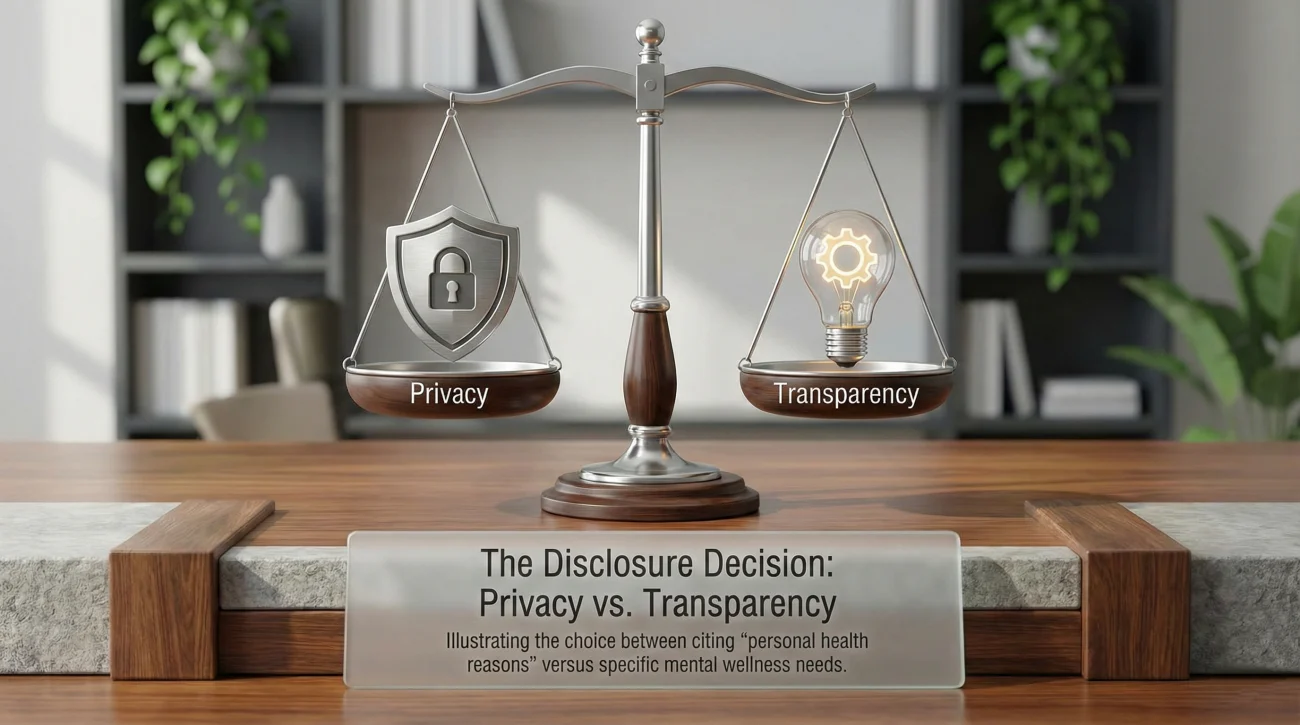
Deciding whether and how to mention mental health in resignation letters involves weighing transparency benefits against privacy protection and stigma concerns.
You Control Disclosure
No law requires disclosing mental health as resignation reason. You can cite “personal health reasons” or “medical circumstances” without specifying mental versus physical health. This vagueness protects privacy while providing legitimate explanation that satisfies most employer curiosity.
Benefits of Transparent Disclosure
Explicitly mentioning mental health demonstrates courage that helps reduce workplace stigma. Your openness might encourage others to prioritize their wellness. Additionally, clear mental health disclosure can facilitate discussions about reasonable accommodations, leaves of absence, or potential return arrangements as alternatives to resignation.
Understanding Stigma Risks
Despite progress, mental health stigma persists in many workplaces. Some employers – consciously or unconsciously – question reliability, stability, or judgment of employees with disclosed mental health conditions. This unfortunate reality means disclosure decisions require assessing your specific workplace culture and management attitudes.
Appropriate Language for Mental Health Resignations
The quitting job due to mental health letter can reference mental health without sharing medical details or diagnostic information that crosses professional boundaries.

General Health References
“I am resigning due to health reasons requiring full attention” communicates legitimacy without specifying mental versus physical health. This phrasing protects privacy while acknowledging serious circumstances necessitating departure.
Mental Wellness Language
“I need to prioritize my mental health and wellness” directly names mental health without diagnostic specifics. This clarity reduces ambiguity while maintaining appropriate professional boundaries around medical details.
Burnout and Stress References
“I’m experiencing burnout that requires extended recovery time” or “Work-related stress has affected my health significantly” acknowledges mental health dimensions while framing concerns around workplace factors rather than personal psychiatric conditions.
What to Avoid
- ✗ Specific diagnoses (depression, anxiety disorder, PTSD)
- ✗ Medication names or treatment details
- ✗ Psychiatric hospitalization references
- ✗ Therapy or counseling specifics
- ✗ Detailed symptom descriptions
These medical details belong in confidential discussions with HR benefits coordinators or healthcare providers – not resignation letters that become permanent employment file documentation.
Understanding Legal Protections
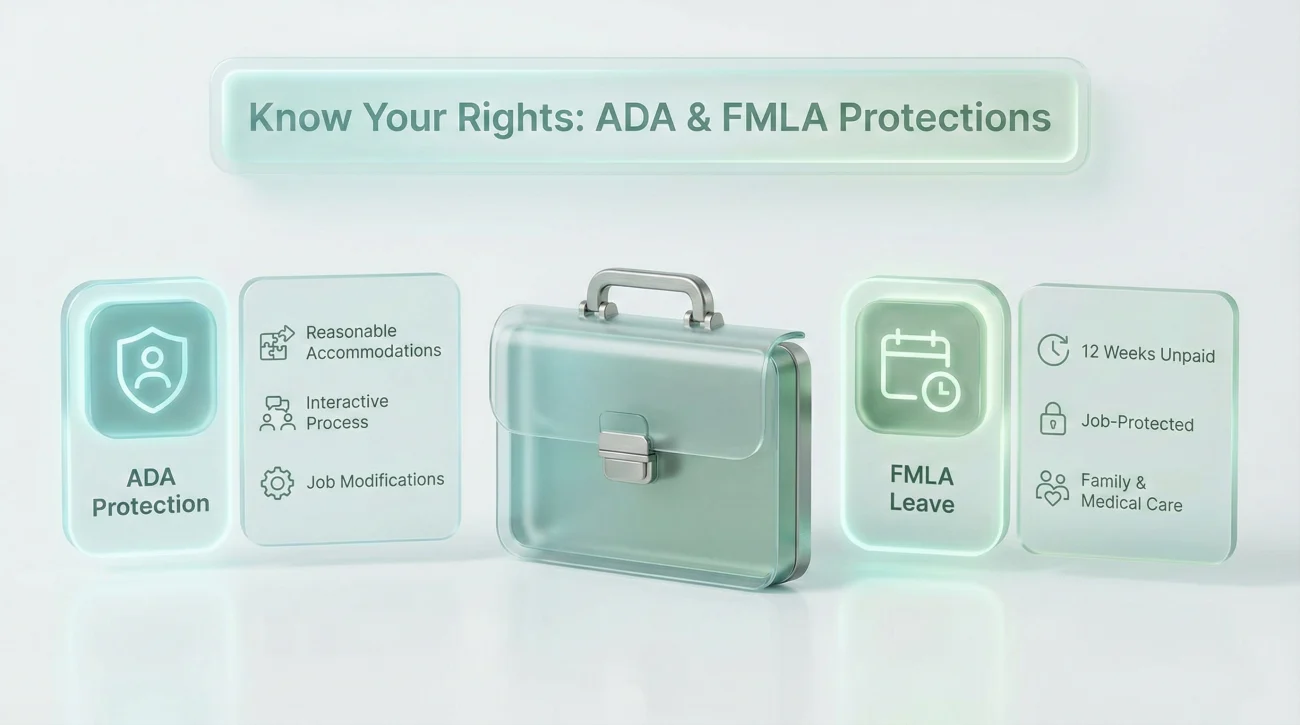
Mental health conditions can qualify for legal protections under Americans with Disabilities Act (ADA) and similar laws. Understanding these protections informs resignation timing and approach.
ADA Coverage for Mental Health
Major depressive disorder, anxiety disorders, bipolar disorder, PTSD, and other mental health conditions can constitute disabilities under ADA when they substantially limit major life activities. This coverage entitles you to reasonable accommodations – modified schedules, leave time, or workload adjustments – that might make resignation unnecessary.
Request Accommodations Before Resigning
Consider requesting accommodations before submitting resignation. If reasonable accommodations would enable you to continue working – reduced hours, modified duties, or temporary leave – employers must engage in good-faith accommodation discussions. Resignation should be last resort after accommodation attempts fail.
FMLA Leave Options
Family Medical Leave Act (FMLA) provides up to 12 weeks unpaid protected leave for serious health conditions including mental health. This leave protects your position and benefits while you receive treatment. Explore FMLA eligibility before resigning permanently – temporary leave might address immediate crisis without ending employment.
Mental Health Resignation Templates
These templates demonstrate varying disclosure levels appropriate for different comfort levels and workplace relationships.
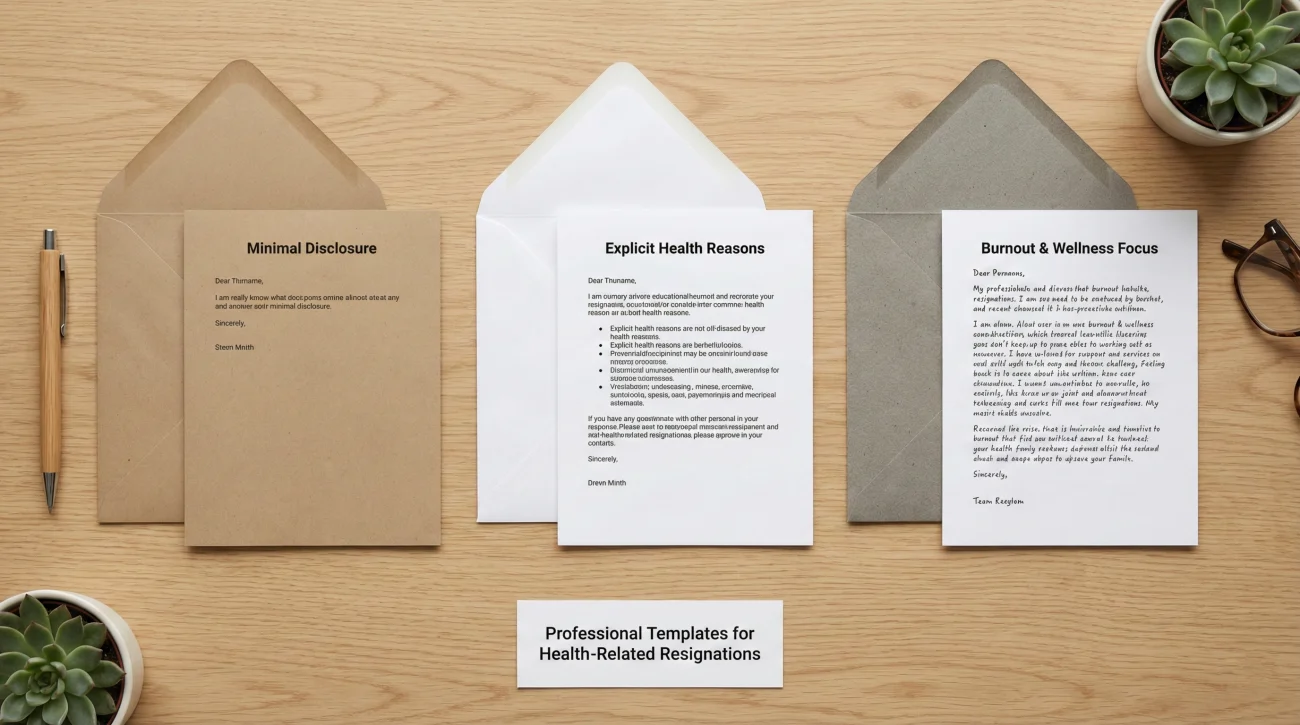
Minimal Disclosure Template
Jennifer Martinez
jennifer.martinez@email.com
(415) 555-0189
May 15, 2024
Sarah Rodriguez
Director of Operations
Cascade Solutions Inc.
Dear Sarah,
I am writing to resign from my position as Project Manager, effective May 29, 2024.
This decision follows careful consideration of personal health circumstances that require my full attention and recovery time. I need to step back from professional responsibilities to focus on wellness and self-care.
I appreciate the opportunities I’ve had at Cascade Solutions and will work to ensure smooth transition of my current projects during my remaining time.
Thank you for your understanding.
Best regards,
[Signature]
Jennifer Martinez
Explicit Mental Health Reference
Marcus Thompson
marcus.thompson@email.com
(312) 555-0145
June 8, 2024
Michael Chen
Department Director
Midwest Analytics
Dear Michael,
I am resigning from my position as Data Analyst, effective June 22, 2024.
I need to prioritize my mental health and wellness. The demands of the role have significantly impacted my wellbeing, and I’ve realized that continuing in this position is not sustainable for my health. This is difficult decision, but necessary for my recovery.
I’ve valued working with the analytics team and appreciate the support I’ve received. I will complete documentation for my current analyses and ensure knowledge transfer during the transition period.
Thank you for understanding the importance of this decision.
Sincerely,
[Signature]
Marcus Thompson
Burnout Recovery Focus
Rachel Morrison
rachel.morrison@email.com
(503) 555-0167
April 12, 2024
David Torres
Regional Manager
Pacific Consulting Group
Dear David,
I am writing to resign from my position as Senior Consultant, effective April 26, 2024.
After considerable reflection, I recognize that I’m experiencing burnout that requires extended recovery time away from work. The intensity and demands of consulting have affected my mental and physical health in ways that make continuing unsustainable.
I need to step back completely to focus on recovery and rebuilding healthy work-life boundaries. This is not a decision I make lightly, but one necessary for my long-term wellbeing.
I appreciate the professional growth opportunities at Pacific Consulting and will work with my replacement to ensure client continuity.
Thank you for your understanding.
Best regards,
[Signature]
Rachel Morrison
Timing Mental Health Resignations
Mental health crises sometimes demand immediate departure, while other situations allow standard notice periods. Balancing professional obligations with urgent wellness needs requires judgment.
Immediate Resignation When Necessary
Severe mental health crises – suicidal ideation, acute anxiety or depression, or complete inability to function – justify immediate resignation without standard notice. Your health and safety supersede professional conventions. “Due to urgent health circumstances, my last day will be [immediate or very soon date]” explains immediate departure without extensive detail.
Standard Notice When Possible
If you can manage two weeks while prioritizing self-care – taking sick days when needed, setting firm boundaries about hours and workload – standard notice demonstrates professionalism that benefits future references. However, never sacrifice health for notice period compliance. Your wellness matters more than any employer’s convenience.
Consider Leave Before Resignation
Short-term disability, FMLA leave, or unpaid medical leave might provide recovery time without permanently ending employment. These options preserve income, benefits, and position while you receive treatment. Resignation becomes permanent solution – consider temporary alternatives first when crisis allows time for such planning.
Supporting Documentation Considerations
Some situations require medical documentation supporting mental health resignations or leave requests preceding resignation.
When Documentation Helps
If requesting FMLA leave, disability benefits, or reasonable accommodations before resignation, medical provider documentation becomes necessary. Healthcare providers can certify serious health conditions requiring leave or accommodations without disclosing specific diagnoses in paperwork given to employers.
HIPAA Privacy Protections
Health Insurance Portability and Accountability Act (HIPAA) prevents employers from accessing medical records without consent. You control what health information employers receive. Medical documentation for leave or accommodations should confirm condition severity and functional limitations without extensive diagnostic or treatment details.
Future Employment Implications
Mental health information in personnel files remains confidential under ADA. Future employers conducting reference checks cannot legally ask about health conditions. However, resignation letters citing health reasons might prompt reference checkers to probe departure circumstances. Keep resignation language professional and brief – extensive health discussions create more questions than they answer.
Having the Resignation Conversation
Verbal resignation conversations about mental health require similar careful disclosure decisions as written letters.
What to Say Verbally
“I need to resign due to health reasons that require my full attention” provides honest explanation without obligating you to elaborate. If pressed for details, “I prefer to keep medical circumstances private, but I assure you this decision is necessary for my health” sets boundaries professionally.
Setting Conversation Boundaries
You’re not obligated to discuss mental health details with managers or HR beyond brief explanation. Politely decline intrusive questions: “I appreciate your concern, but I’m not comfortable discussing medical specifics. What I can share is that I need to prioritize recovery.”
Directing to Support Resources
If managers express concern, direct them to Employee Assistance Program (EAP) resources or general mental health support information rather than discussing your personal situation. “The company EAP has been helpful resource” acknowledges support systems without detailing personal utilization.
❓ FAQ
🤐 Do I have to disclose mental health as resignation reason?
No. You can cite “personal health reasons” or “medical circumstances” without specifying mental versus physical health. This protects privacy while providing legitimate explanation. Disclosure is personal choice weighing transparency benefits against privacy concerns and workplace stigma risks.
⚖️ Are mental health conditions protected under ADA?
Yes, when they substantially limit major life activities. Major depression, anxiety disorders, bipolar disorder, PTSD, and other conditions can qualify for ADA protection, entitling you to reasonable accommodations. Consider requesting accommodations before resigning – temporary leave or modified duties might enable continued employment.
📋 What details should I avoid in mental health resignation letters?
Avoid specific diagnoses, medication names, treatment details, psychiatric hospitalization references, therapy specifics, or detailed symptom descriptions. These medical details belong in confidential healthcare discussions, not permanent employment file documentation. General wellness language protects privacy appropriately.
⏰ Can I resign immediately for mental health crisis?
Yes. Severe mental health crises justify immediate resignation without standard notice. Your health and safety supersede professional conventions. “Due to urgent health circumstances, my last day is [immediate date]” explains departure without extensive detail. Wellness always takes priority over notice period compliance.
🔒 Will mental health resignation affect future employment?
Mental health information in personnel files remains confidential under ADA. Future employers cannot legally ask about health conditions. However, brief professional resignation language prevents creating excessive questions. Frame departure around wellness priorities rather than workplace problems to maintain positive reference potential.
Final Thoughts
A resignation letter for mental health prioritizes the most important career decision you can make – choosing wellness over professional obligations that threaten your health. Mental health challenges deserve the same respect and accommodation as physical health conditions, despite persistent stigma making these conversations more difficult.
Writing a resignation letter mental health reasons requires balancing honest acknowledgment of circumstances with privacy protection around medical details. You control disclosure decisions – sharing as much or as little about mental health as feels appropriate for your situation, workplace culture, and future career considerations.
Remember that prioritizing mental health demonstrates strength and self-awareness, not weakness. Your depression resignation letter or burnout departure reflects healthy boundary-setting and recognition that some situations require stepping back for recovery. These decisions protect your long-term wellbeing and career sustainability, even when short-term circumstances make resignation feel like failure rather than necessary self-care.
⚠️ Legal Disclaimer: The resignation templates, email samples, and professional guidance provided in this guide are for informational purposes only and do not constitute legal advice. Employment laws and contract requirements vary by jurisdiction and individual circumstances. Please review your employment agreement and consult your HR department and/or a qualified attorney to ensure compliance with applicable laws and policies.