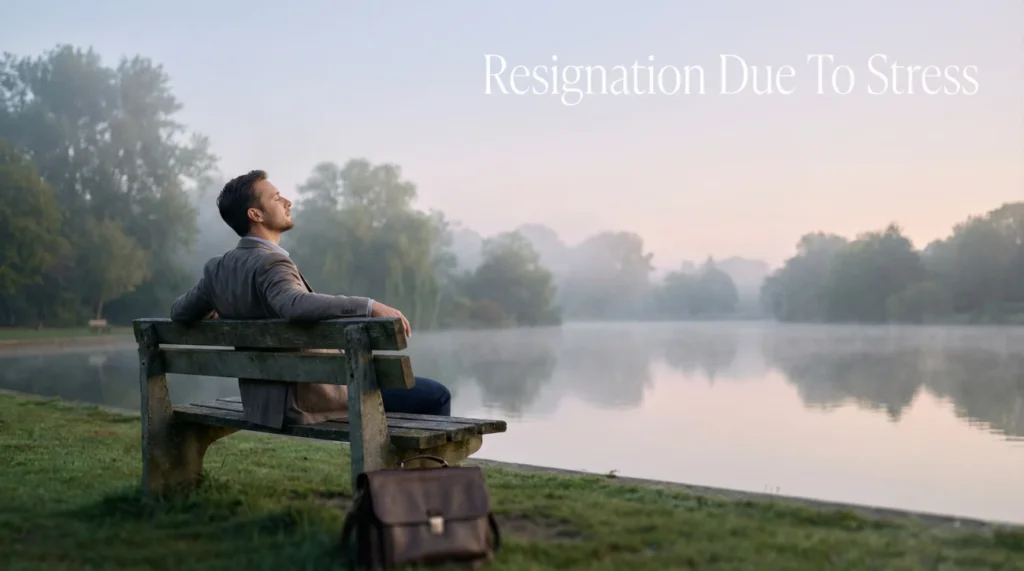
- What it means: Leaving because stress has crossed into a health issue that needs full attention.
- How to write it: Use General health language, mention medical guidance if needed, avoid diagnoses and oversharing.
- What to protect: Keep the letter neutral and future-friendly so your record and references stay clean.
- How to exit well: Give a clear last day, offer a simple handoff, and keep confidentiality tight.
- What comes next: Build A real recovery plan and get professional help if symptoms are persistent or severe.
When Work Stress Becomes Unsustainable
A resignation letter due to stress acknowledges that your mental and physical health have deteriorated to points where continued employment poses genuine wellness risks. You’re not leaving because you’re lazy or can’t handle normal work pressure – you’re recognizing that chronic stress, burnout, anxiety, or related conditions require intervention that employment continuation prevents. This departure prioritizes recovery over career momentum, choosing health over professional advancement at a moment when those values collide.
Stress-driven resignations navigate sensitive territory between honestly acknowledging health needs and protecting private medical information that might affect future employment. How you communicate this balance determines whether you exit with dignity intact and references preserved while still honoring the serious health concerns driving your decision.
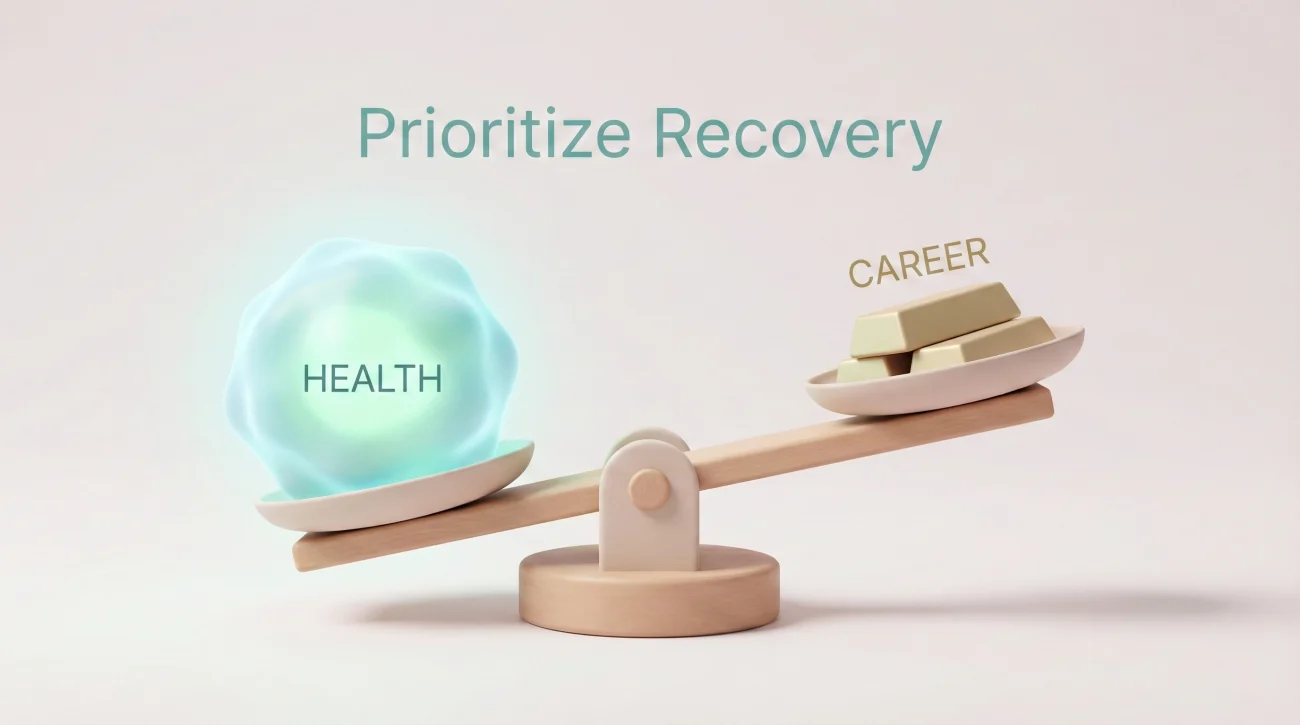
Prioritize Recovery Over Career Momentum
Understanding that your resignation letter stress burnout represents health crisis, not career failure, helps you frame departure appropriately and commit to recovery without guilt.
Burnout as Medical Condition
Burnout isn’t weakness – it’s recognized medical condition with documented symptoms including exhaustion, cynicism, reduced professional efficacy, and physical manifestations like insomnia or headaches. When you resign due to stress, you’re addressing legitimate health crisis requiring treatment, not simply quitting because work is hard.
Frame this to yourself: “I’m resigning to address serious health issues caused by work stress” rather than “I’m giving up because I can’t handle it.” This mental reframing prevents guilt that undermines recovery.
Recovery Needs Distance
Effective stress recovery often requires complete separation from environments causing burnout. Continuing employment while “trying to manage stress better” rarely works when workplace itself generates chronic stress. Resignation provides necessary distance for genuine recovery rather than temporary stress reduction.
Your resignation can acknowledge this without excessive detail: “I need to step away from professional obligations to focus on health recovery that requires my full attention. This decision follows medical guidance about prioritizing wellness.”
Balance Disclosure with Privacy Protection
Your mental health resignation letter must balance honesty about serious health needs with strategic privacy protection that prevents future employment discrimination or stigma about mental health issues.

Use General Health Language
You can acknowledge health reasons without specifying mental health: “I’m resigning to address health issues requiring my full attention and recovery focus” communicates seriousness without inviting questions about specific conditions. This protects privacy while honestly acknowledging legitimate health necessity drives your departure.
Most employers accept general health explanations without demanding details – they understand health issues are private and that HIPAA protections limit what you’re required to disclose. If pressed for specifics, respond: “I prefer to keep medical details private, but I’m following physician guidance about prioritizing health recovery over employment continuation.”
When to Mention Stress Specifically
If workplace stress is clearly visible – you’ve taken stress leave, discussed burnout with management, or documented stress-related accommodations – mentioning stress provides context for sudden departure. However, frame strategically: “Work-related stress has impacted my health to levels requiring extended recovery time” acknowledges connection without blaming employer or suggesting you’re mentally unstable.
This phrasing establishes that work stress affected your health (factual) without claiming employer caused mental illness (which opens complicated discussions about workplace conditions, liability, and whether you might pursue legal claims). You’re taking responsibility for your health management while honestly acknowledging work played a role.
Protect Diagnosis Privacy
Don’t disclose specific diagnoses – depression, anxiety disorders, panic attacks – in resignation letters unless you’re filing disability claims requiring documentation. These specific diagnoses can create stigma affecting references, professional reputation, and future employment when hiring managers harbor mental health biases despite legal protections.
Your quitting due to stress letter should reference health needs, stress impact, or wellness priorities without clinical terminology that provides more information than necessary for resignation purposes. Save detailed medical discussions for your treatment team, not resignation documentation that becomes part of your employment record.
Stress Recovery Exit Templates
These templates communicate serious health needs while protecting medical privacy and professional dignity. For broader guidance, see our resignation letter with reason guide.
Health Priority Template
Jennifer Martinez
456 Oak Street
Portland, OR 97204
March 15, 2024
David Chen
Human Resources Director
Pacific Northwest Solutions
Dear David,
I am writing to resign from my position as Project Manager, effective March 22, 2024.
I need to step away from professional obligations to focus on health issues that require my full attention and recovery time. This decision follows medical guidance about prioritizing wellness over career continuity during this period.
I’ve valued my time at Pacific Northwest Solutions and appreciate the professional opportunities provided. I will work with my team during my remaining time to ensure appropriate transition of my active projects.
Thank you for your understanding regarding these health circumstances.
Sincerely,
Jennifer Martinez
This letter establishes serious health needs requiring resignation without specifying mental health, stress, or diagnoses. The mention of “medical guidance” lends authority without requiring medical documentation. The immediate resignation with minimal notice suggests urgency supporting her health claims while maintaining professional tone throughout.
Work-Life Balance Reset Template
Michael Thompson
892 Pine Avenue
Seattle, WA 98101
April 8, 2024
Sarah Williams
Department Manager
Northwest Technology Group
Dear Sarah,
I am submitting my resignation from my position as Systems Engineer, effective April 22, 2024.
The demands of this role have impacted my health and wellbeing in ways that require me to step back and reassess my work-life balance priorities. I need extended time to focus on personal wellness and recovery that continued employment would not allow.
I appreciate the technical challenges and learning opportunities Northwest Technology has provided during my tenure. This decision reflects my health needs rather than dissatisfaction with the organization or my colleagues.
I will ensure thorough documentation and knowledge transfer during my notice period to support whoever assumes my responsibilities.
Thank you for your understanding.
Sincerely,
Michael Thompson
This template acknowledges work impacted health without blaming employer or claiming workplace caused illness. The phrase “reassess work-life balance priorities” frames this as his proactive wellness management rather than employer failure. The mention of “extended time” suggests this isn’t quick vacation but serious recovery period requiring employment separation.
Recognize When Professional Help Is Needed
Stress-driven resignation addresses symptoms but doesn’t necessarily treat underlying conditions. Understanding when to seek medical help ensures your resignation enables genuine recovery rather than temporary respite before stress patterns recur.
Signs Requiring Medical Evaluation
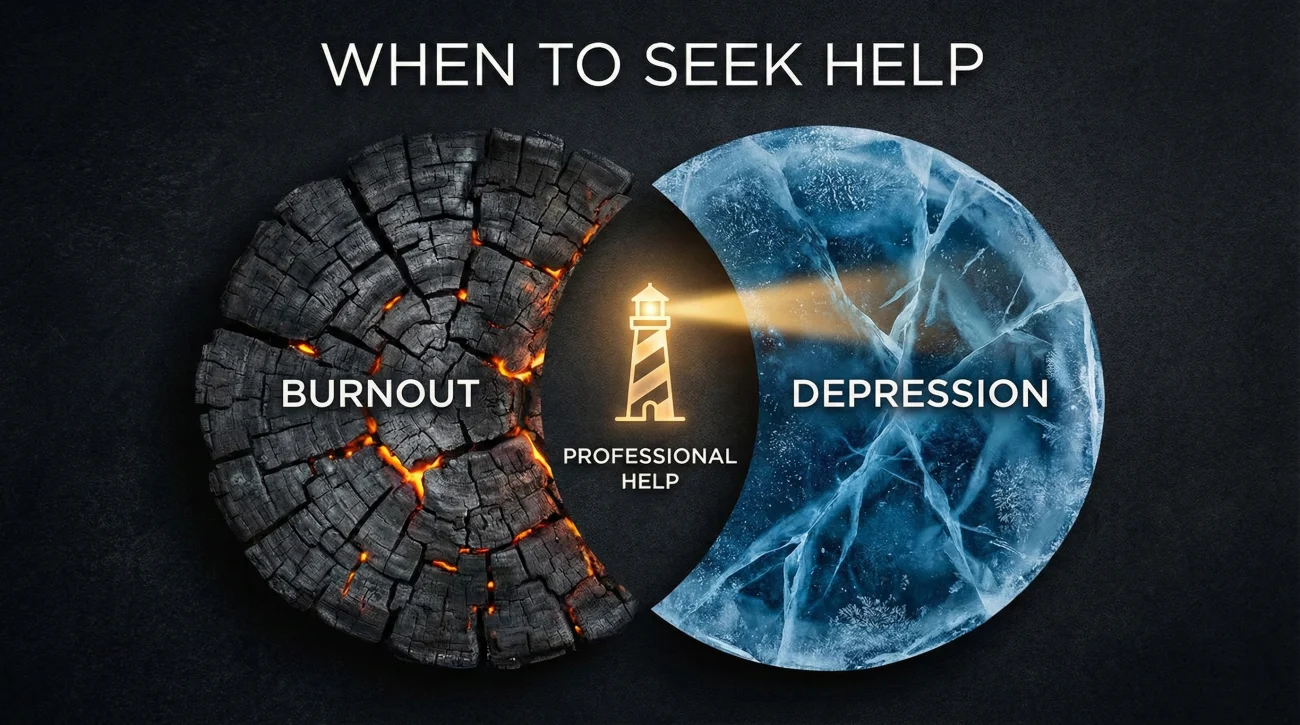
If you’re experiencing persistent hopelessness, inability to feel pleasure, significant sleep disruption, appetite changes, concentration difficulty, or thoughts of self-harm, you may have clinical depression or anxiety disorders requiring treatment beyond simply leaving stressful jobs. Resignation provides necessary space for treatment, but medical intervention addresses conditions that changing employment alone won’t resolve.
Before or immediately after resigning, consult mental health professionals about symptoms you’re experiencing. They can assess whether you’re dealing with work-specific burnout that improves with employment change or clinical conditions requiring medication, therapy, or other interventions regardless of work circumstances.
Develop Structured Recovery Plan
Don’t resign due to stress and then immediately start job searching or take first available position. Create recovery timeline: first month for rest and medical evaluation, second month for therapy and lifestyle changes, third month for honest assessment about sustainable work patterns. This structured approach prevents jumping from one stressful situation to another without addressing root causes.
Work with mental health professionals to identify what work patterns, environments, or demands trigger your stress responses. Use this insight to make better employment decisions that prevent stress recurrence rather than simply repeating cycles with different employers.
❓ FAQ
🏥 Should I take stress leave before resigning?
Depends on your situation and benefits. FMLA provides job-protected leave for serious health conditions including stress-related issues requiring medical treatment. If you have insurance through employer, stress leave allows medical treatment while maintaining coverage. However, if workplace itself causes stress or you know you won’t return, resignation might be more honest than taking leave under false pretenses. Consult both medical professionals and HR about whether leave or resignation better serves your recovery needs and legal protections.
💼 Will stress resignation hurt future employment?
Not necessarily, particularly if you frame it professionally. Future employers typically see gaps explained as “took time to address health issues” or “prioritized family wellness” as understandable life circumstances rather than red flags. Many professionals experience burnout and successfully return to work with better boundaries. What matters more is showing you’ve recovered and developed strategies to manage workplace stress sustainably. If asked in interviews, frame positively: “I took time to address health priorities and returned to work with clearer boundaries and better wellness practices.”
⏰ Can I collect unemployment after stress resignation?
Unlikely in most states. Voluntary resignations typically don’t qualify for unemployment unless you can prove constructive discharge – conditions so intolerable that reasonable person would feel compelled to resign. Stress alone usually doesn’t meet this threshold unless combined with documented hostile work environment, discrimination, or illegal practices. However, if you resigned on medical advice that continued employment posed serious health risks, some states may consider this “good cause.” Check your state’s specific unemployment rules and consider consulting employment attorney if your circumstances were extreme.
🤐 How much should I tell coworkers about stress resignation?
Use discretion based on relationships and whether information serves any purpose. Close colleagues might appreciate honest explanation: “I’m stepping away to address health issues that need my attention.” However, detailed discussions about mental health struggles, workplace stress causes, or specific symptoms rarely benefit you professionally. Remember that workplace conversations aren’t therapy – save detailed processing for medical professionals, therapists, or trusted people outside workplace who won’t repeat information or use it professionally against you.
📝 Should I document workplace conditions that caused stress?
If you’re considering legal action for hostile work environment, discrimination, or dangerous conditions, yes – document thoroughly before resigning. However, if you’re simply resigning to recover without pursuing claims, extensive documentation may not serve your interests and could consume energy better spent on recovery. Focus on healing rather than building legal cases unless you have attorney guidance that documentation serves specific purposes. Sometimes letting go of workplace grievances aids recovery more than meticulously cataloging every stressful incident.
Final Thoughts

A resignation letter due to stress represents one of the most important professional decisions you might make – choosing health over career momentum when those values conflict. This decision takes courage in cultures that often valorize overwork and dismiss burnout as weakness rather than recognizing it as serious health condition requiring intervention.
Handle stress-driven resignations with clarity about serious health needs while protecting medical privacy that affects future employment. Your resignation should communicate wellness priority without excessive detail about symptoms, diagnoses, or treatment plans that remain your private information. Most employers respect health-driven departures when communicated professionally with appropriate boundaries around medical disclosure.
Most importantly, honor your resignation by actually prioritizing recovery. Don’t immediately jump into new positions that recreate stress patterns. Use this pause for genuine healing – medical treatment, therapy, lifestyle changes, and honest assessment about sustainable work patterns. Your health deserves the priority you’re giving it through this difficult but necessary resignation decision.
⚠️ Legal Disclaimer: ResignSmartly provides general informational guidance about resignation, workplace communication, notice periods, handovers, and career transitions. Content does not constitute individualized legal advice. Employment laws, contracts, workplace policies, and individual circumstances vary, so review the requirements that apply to your situation and consult an appropriate qualified professional when needed.