
- Decision: This is a permanent resignation to focus on parenting, not a maternity leave request with a return plan.
- Clarity: Use explicit resignation language and a firm final working date so HR can process payroll, replacement, and benefits correctly.
- Benefits: Plan the timing around health coverage, COBRA or spouse enrollment, and any disability or leave rules so you avoid gaps near delivery.
- Legal: Know what you give up by resigning, such as FMLA job protection, and understand discrimination rules if you feel pressured to quit.
- Execution: Keep the letter professional, avoid oversharing medical details, and offer a clean handover to protect references and rehire chances.
When Pregnancy Means Permanent Departure
A resignation letter due to pregnancy announces a fundamentally different decision than requesting maternity leave. You’re not taking temporary time off – you’re ending employment permanently to focus on full-time parenting. This distinction carries significant legal, financial, and professional implications that shape how you communicate your decision and what rights you preserve or forfeit.
The challenge lies in communicating permanent departure clearly while avoiding pregnancy discrimination issues, maintaining professional dignity, and preserving relationships you might need for references or future employment if circumstances change.
Resignation vs Maternity Leave – Know the Difference
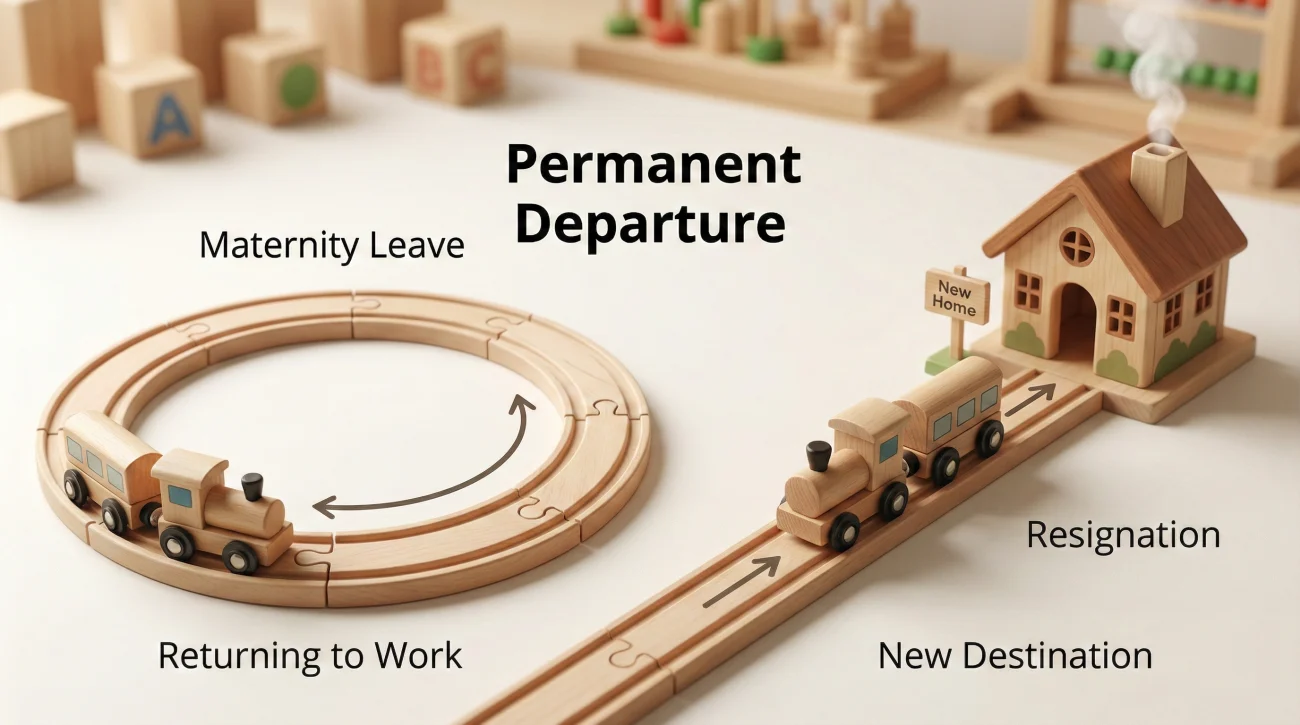
Understanding the distinction between resigning and taking leave prevents confusion, protects your rights, and ensures employers process your departure correctly rather than treating you as employee on leave who might return.
Maternity Leave: Temporary Absence
Maternity leave under FMLA or company policies provides job-protected time off for childbirth and recovery with guaranteed return to same or equivalent position. You remain employed during leave, maintain benefits eligibility, and have legal protections against termination for taking leave. This temporary absence assumes you’re returning to work after recovering from childbirth.
Employers continue treating you as active employee during leave – maintaining health insurance, accruing seniority, and holding your position or equivalent role. Your employment relationship continues; you’re simply not performing work duties temporarily.
Resignation: Permanent Separation
When you write a resignation letter due to pregnancy not returning, you’re ending employment permanently. You’re not requesting protected leave – you’re quitting. This means forfeiting job protections that maternity leave would provide, ending benefit eligibility, and releasing employer obligations to hold positions or provide return opportunities.
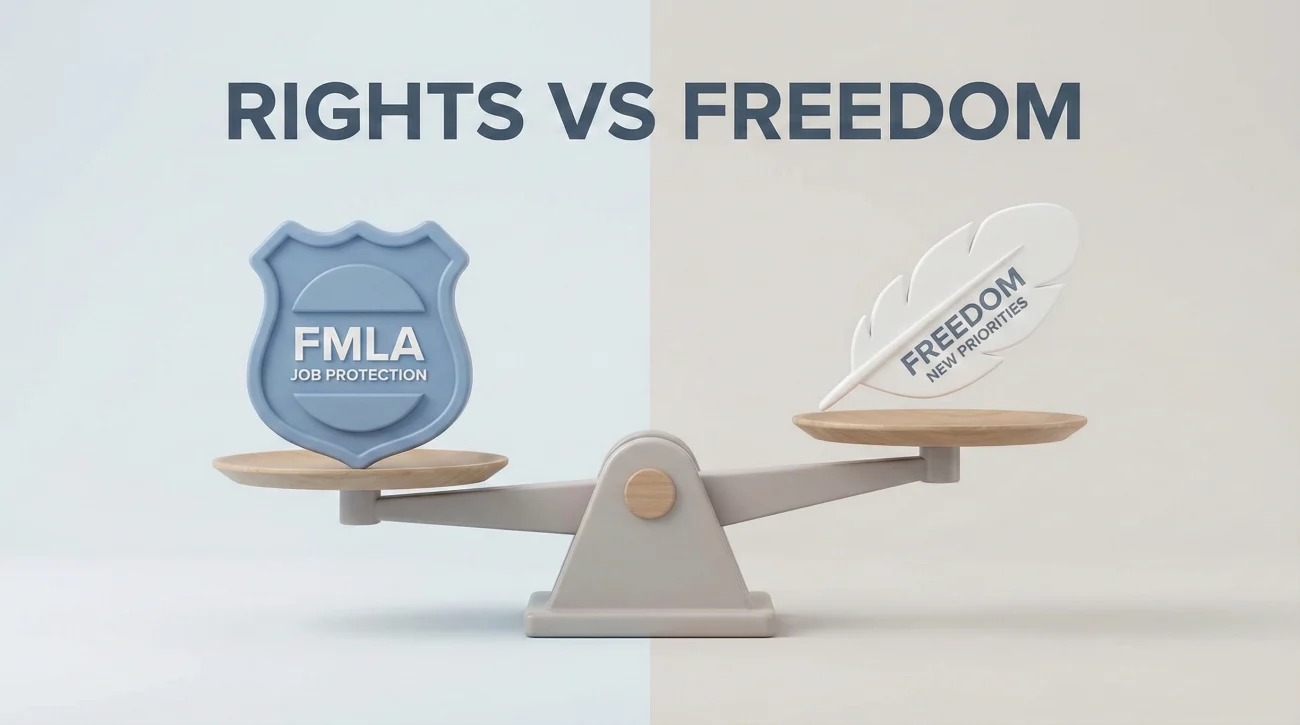
However, resignation also means freedom from return obligations. You’re not required to maintain contact during “leave,” coordinate return timing, or justify why you’re not coming back after recovery. You’ve cleanly ended employment relationship without ambiguity about future intentions.
Why Some Choose Resignation Over Leave
Several factors drive permanent resignation rather than maternity leave. Some employers don’t offer adequate paid leave, making unpaid FMLA financially impossible. Others know they want to parent full-time and see no reason to take leave pretending they’ll return. Some face pregnancy complications requiring extended absences beyond FMLA protection. Others simply prefer clean breaks over maintaining employment relationships they know will end eventually.
Additionally, some professionals want to avoid potential discrimination or retaliation that sometimes follows maternity leave – being passed over for projects, excluded from opportunities, or subtly pushed out after returning. Resigning eliminates these dynamics, though it also forfeits legal protections against pregnancy discrimination.
Communicate Permanent Departure Clearly
Your quitting job due to pregnancy letter must leave no doubt that you’re resigning permanently, not requesting leave. Ambiguity creates confusion that complicates benefits processing, replacement hiring, and your own future planning.
State Resignation Explicitly
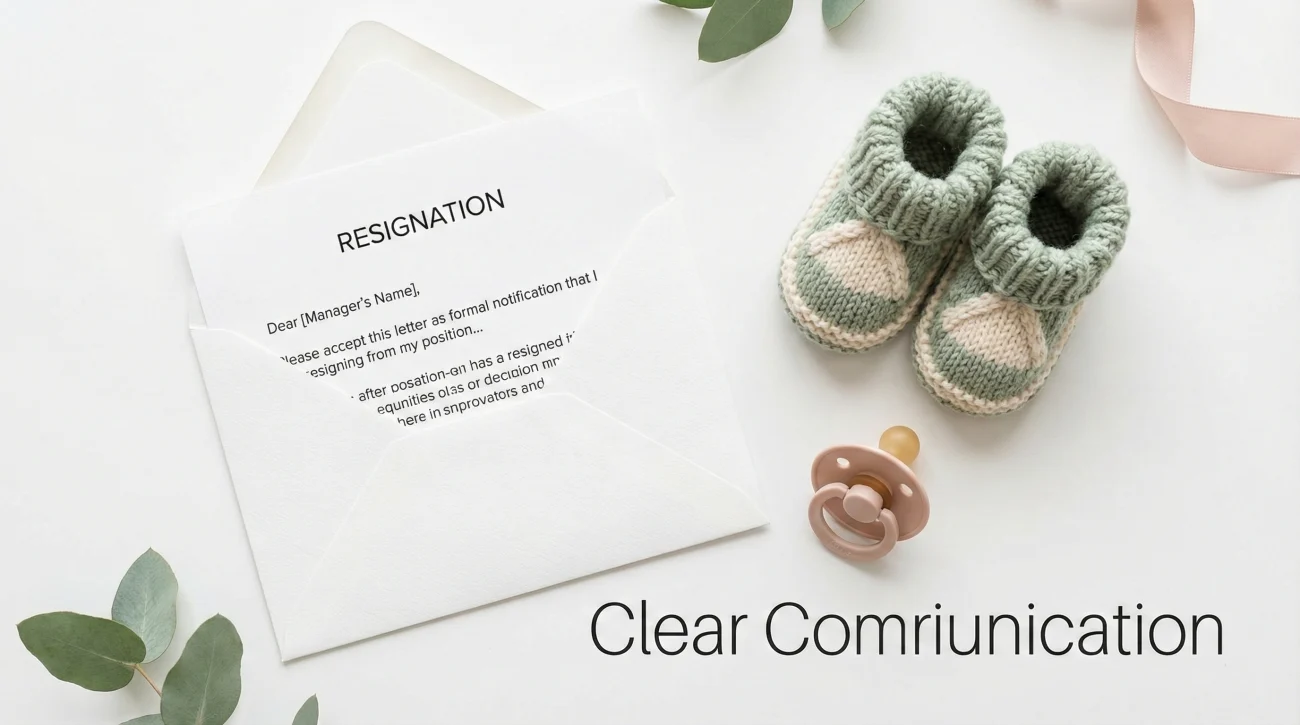
Use clear resignation language: “I am resigning from my position” rather than “I need to take time off for pregnancy” or “I’m stepping back temporarily.” The word “resignation” signals permanent separation that employers understand requires replacement hiring rather than temporary coverage planning.
Avoid phrases suggesting temporary absence: “I’m taking a break,” “I’m stepping away for now,” or “I need time to focus on family.” These imply possible return that creates false expectations and complicates your clean departure. If you’re not returning, say so clearly through resignation rather than leave language.
Provide Clear Final Date
Specify your last working day: “My final day will be [date]” rather than vague “I’ll work until shortly before my due date.” Employers need concrete end dates for transition planning, benefits processing, and payroll finalization. Pregnancy due dates are estimates; work end dates should be firm commitments.
Consider whether working until your due date is realistic or whether stopping earlier makes sense given pregnancy fatigue, medical recommendations, or desire for rest before childbirth. Many pregnant employees resign 2-4 weeks before due dates, balancing income needs against physical and mental preparation for childbirth.
Coordinate Benefits Transitions
Understand how resignation affects health insurance, disability benefits, and other coverage critical during pregnancy and childbirth. Some employers allow continuation of health coverage through delivery if you resign shortly before due date. Others end coverage on your last working day, requiring immediate COBRA election or spouse’s coverage enrollment.
Consult with HR about benefits timing before finalizing resignation date. Missing health coverage during childbirth creates catastrophic financial exposure. Coordinate resignation timing to minimize coverage gaps while providing adequate work notice.
Pregnancy Resignation Templates
These templates communicate permanent departure clearly while maintaining professional dignity. For broader guidance, see our resignation letter with reason guide.
Standard Pregnancy Resignation
Jennifer Martinez
456 Oak Street
Portland, OR 97204
March 15, 2024
David Chen
Human Resources Director
Pacific Northwest Marketing
Dear David,
I am writing to resign from my position as Marketing Manager, effective April 12, 2024.
My pregnancy and upcoming childbirth have led me to the decision to focus on full-time parenting rather than returning to work after delivery. After considerable thought and discussion with my family, I’ve determined that stepping away from my career at this time aligns best with our family’s needs and priorities.
I’ve appreciated my time at Pacific Northwest Marketing and the professional development opportunities provided here. The experience and skills gained will remain valuable assets regardless of my future career direction.
I will work closely with my team during my remaining time to ensure comprehensive transition of my responsibilities and active projects.
Thank you for your understanding regarding this decision.
Sincerely,
Jennifer Martinez
This stay at home mom resignation letter clearly states she’s resigning to focus on parenting, not taking leave. The phrase “rather than returning to work after delivery” explicitly communicates permanent departure. The professional tone maintains dignity without requiring defensive explanations of family decisions that are frankly her business alone.
Health Considerations Template
Sarah Williams
892 Pine Avenue
Seattle, WA 98101
April 8, 2024
Michael Thompson
Department Manager
Northwest Technology Group
Dear Michael,
I am submitting my resignation from my position as Project Coordinator, effective April 26, 2024.
My pregnancy has developed complications requiring me to prioritize my health and upcoming childbirth over professional obligations. Based on medical guidance and consideration of my situation, I’ve determined that resigning is the appropriate course rather than attempting to maintain employment through pregnancy complications and recovery.
I’m grateful for the opportunities Northwest Technology has provided during my tenure. I will work with my team during my remaining time to document processes and ensure smooth transition of my responsibilities.
Thank you for your understanding regarding these health circumstances.
Sincerely,
Sarah Williams
This template frames resignation around health necessities without requiring detailed medical disclosure. The phrase “pregnancy complications” conveys seriousness without specifying diagnoses. The mention of “medical guidance” lends authority to the decision while maintaining privacy about specific health circumstances.
Know Your Legal Position
Pregnancy resignations intersect with discrimination laws and employment protections in ways affecting your rights. Understanding these dynamics helps you make informed decisions.
Pregnancy Discrimination Protections
Federal law prohibits pregnancy discrimination – employers cannot terminate or take adverse action because you’re pregnant. However, these protections apply to employer actions, not your voluntary resignation. When you resign, you’re choosing to leave, which means pregnancy discrimination protections don’t prevent your departure.
The distinction matters if employers pressure you to resign due to pregnancy or create hostile conditions forcing departure. True voluntary resignation waives discrimination claims; constructive discharge from pregnancy discrimination does not. If resigning under pressure, consult employment attorneys first.
FMLA Leave You’re Forfeiting
By resigning, you forfeit FMLA job protection that would guarantee position for up to 12 weeks. If you might want to return after childbirth, taking FMLA leave preserves that option. Resignation eliminates it permanently.
However, FMLA is unpaid unless employer provides paid leave. If you cannot afford unpaid leave and need income until delivery, resignation at appropriate time might make more financial sense. Evaluate your specific situation before choosing between resignation and FMLA leave.
❓ FAQ
🤰 Should I tell my employer I’m pregnant before resigning?
Your decision based on circumstances and comfort level. Some employees disclose pregnancy when announcing resignation to explain timing and provide context. Others resign without mentioning pregnancy, citing “personal reasons” instead. There’s no legal requirement to disclose pregnancy when resigning. However, if pregnancy is obvious or you’ve already disclosed it, addressing it directly in resignation prevents awkward unspoken dynamics. Frame it as your decision about family priorities rather than pregnancy forcing your departure.
⏰ How much notice should I give when resigning due to pregnancy?
Standard two weeks minimum, though 3-4 weeks is considerate when possible. Balance adequate notice against pregnancy fatigue and desire for rest before childbirth. If experiencing complications requiring earlier departure, provide maximum notice possible and explain timing constraints. Most employers understand pregnancy creates timing factors beyond your control and appreciate whatever notice you can reasonably provide while managing health needs.
💰 Will I still get paid for unused vacation time?
Depends on state law and company policy. Some states require payout of accrued vacation; others leave it to employer discretion. Check your employee handbook and state regulations. If your state requires vacation payout, you’re entitled regardless of resignation reason. If voluntary, ask HR directly about policy. Some employers pay out accrued vacation as goodwill even when not required, particularly for resignations handled professionally.
🏥 Can I continue health insurance through delivery if I resign before my due date?
Usually no, though some employers allow continued coverage through month-end of resignation. Most employer coverage ends on last working day or end of month, requiring immediate COBRA election to maintain coverage through delivery. COBRA is expensive but prevents coverage gaps during childbirth. Alternatively, enroll in spouse’s coverage immediately or purchase ACA marketplace insurance. Critical to have coverage for delivery – medical bills for childbirth without insurance create devastating financial burden.
🔄 What if I later decide I want to return to work?
You can always seek new employment, though you have no guarantee of returning to former employer. Some organizations maintain positive relationships with former employees who resigned professionally for family reasons and welcome return applications when circumstances change. Others have policies against rehiring within certain timeframes. If you might want to return eventually, handle resignation professionally, maintain relationships with former colleagues, and reach out when ready to explore opportunities. Frame return as “ready to re-enter workforce after family time” rather than suggesting resignation was mistake.
Final Thoughts

A resignation letter due to pregnancy marks significant life transition – choosing full-time parenting over career continuation, at least temporarily. This decision carries profound personal meaning and practical implications. How you communicate this transition affects your professional reputation, future employment options, and the dignity with which you move into this next chapter.
Handle pregnancy resignations with clarity about permanent departure, appreciation for professional experiences gained, and confidence in your decision. You’re making informed choice about family priorities that millions of parents navigate, choosing paths that work for specific circumstances.
Remember that pregnancy resignation doesn’t define your professional identity permanently. Many parents return to careers when circumstances permit, bringing valuable life experience to their work. Your resignation marks this moment’s priorities; it doesn’t preclude future professional re-engagement when that aligns with your family’s needs.
⚠️ Legal Disclaimer: The resignation templates, email samples, and professional guidance provided in this guide are for informational purposes only and do not constitute legal advice. Employment laws and contract requirements vary by jurisdiction and individual circumstances. Please review your employment agreement and consult your HR department and/or a qualified attorney to ensure compliance with applicable laws and policies.