
- Meaning: A lack-of-growth resignation says the job became static, not that the workplace was bad.
- Credibility: Explain the ceiling clearly, such as no ladder in a flat org, learning has stopped, or promised growth never happened.
- Best move first: Document your advancement or development requests in writing, then give a reasonable timeline before resigning.
- How to write it: Keep the tone diplomatic, state your last day, frame it as career progression, and commit to a clean handover.
- What to expect: Counteroffers and pay questions should be handled calmly, and frequent moves must show a clear upward trajectory.
When Professional Development Stops
A resignation letter due to lack of growth communicates that you’re leaving not because work is bad but because it’s become static. You’ve mastered your role, absorbed available learning, and reached the ceiling of what this position or organization can offer your development. Further tenure means stagnation rather than advancement – repeating the same work annually rather than accumulating new skills or challenges that advance your career trajectory.
Growth-driven resignations require diplomatic framing because they implicitly criticize employer limitations while positioning you as ambitious professional. How you communicate this determines whether employers respect your departure as natural career progression or view you as disloyal employee abandoning them after they invested in your development.
When Your Career Hits the Ceiling
Understanding what constitutes legitimate growth stagnation versus unrealistic advancement expectations helps you frame your resignation letter no growth credibly.
Organizational Structure Limits
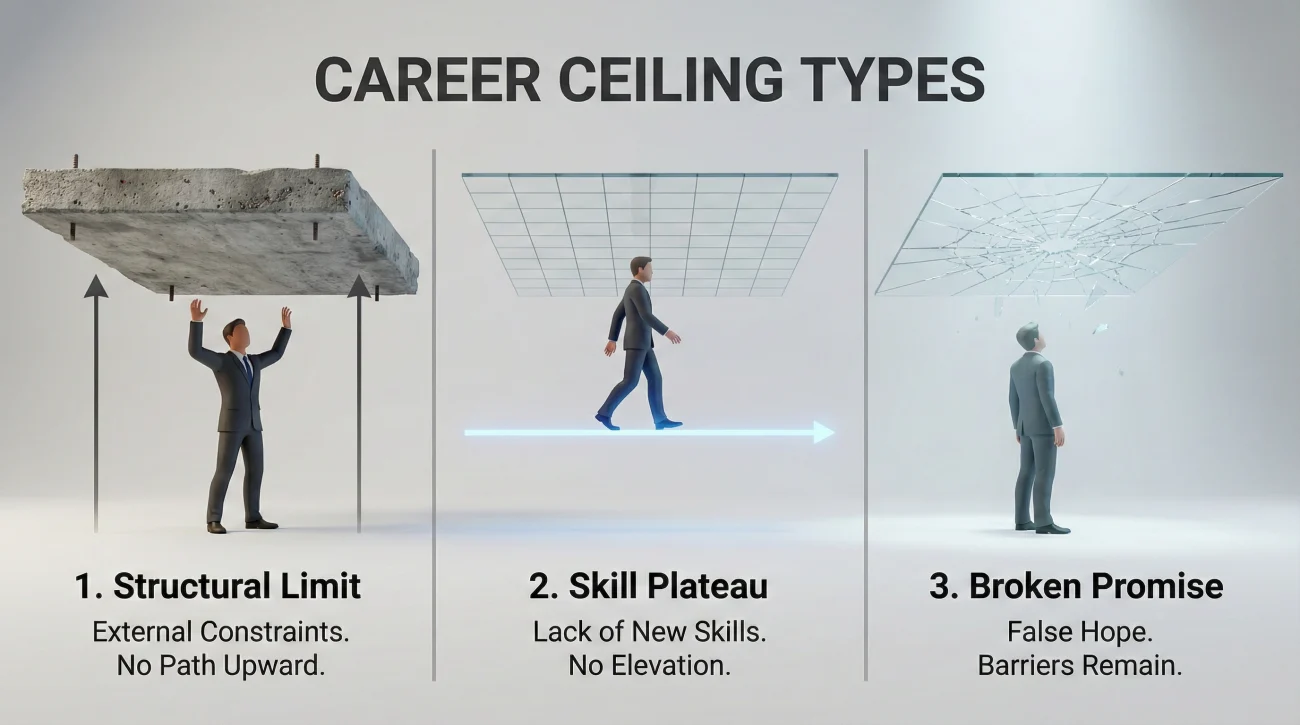
Some organizations have flat structures with limited advancement paths. You might report to owner-operators with no intention of retiring, work in small companies where upper positions don’t exist, or occupy roles where next logical advancement requires skills or credentials you don’t possess and company can’t develop. These structural realities create legitimate ceilings – you can excel in current role indefinitely without advancing because advancement opportunities simply don’t exist.
Your resignation letter can acknowledge these limitations respectfully: “I’ve grown significantly in this role and appreciate the opportunities provided. However, given the organization’s structure, opportunities for advancement beyond my current position are limited. I need to pursue roles offering continued professional growth aligned with my long-term career goals.”
When Learning Stops
Even without formal promotions, jobs can offer continuous learning – new projects, expanded responsibilities, skill development, or exposure to different business areas. When this learning stops and you’re repeating the same tasks with the same tools using the same skills year after year, professional stagnation sets in regardless of title or compensation.
Frame this honestly: “I’ve reached a point where I’ve mastered the core responsibilities of this role and absorbed the learning opportunities it provides. I’m seeking positions that offer new challenges and skill development that will continue advancing my professional capabilities.” This focuses on your growth needs rather than criticizing employer for not providing advancement.
Promised Growth That Never Materializes
Some employees stay in positions based on advancement promises – “stick around and you’ll move up,” “we’re grooming you for management,” or “once we grow, promotion opportunities will open up.” When these promises never materialize despite your patience and performance, your resignation letter career stagnation might reference unfulfilled expectations: “When I accepted this position, we discussed advancement opportunities that would develop over time. After [X years] of strong performance without those opportunities materializing, I need to pursue growth elsewhere.”
This approach works when you have documentation of advancement discussions – performance reviews mentioning development plans, email exchanges about growth paths, or explicit conversations about future roles. Without documentation, focus on your current growth needs rather than claiming broken promises that become he-said-she-said disputes.
Document Growth Requests First
Your resignation citing growth limitations carries more weight when you demonstrate you sought advancement opportunities before resigning rather than simply deciding to leave without giving employer chance to address your needs.

Make Formal Advancement Requests
Before resigning over lack of promotion resignation, formally request promotions, expanded responsibilities, or development opportunities. Document these through email or performance reviews. When employer can’t provide these opportunities, your resignation becomes logical next step rather than surprise departure.
This allows phrasing: “As we’ve discussed in my recent performance reviews, I’ve been seeking opportunities for advancement. I appreciate your consideration, and I understand the organizational constraints. Given my career goals, I’ve decided to pursue positions that can provide the growth trajectory I’m seeking.”
Give Reasonable Time
Don’t request promotion Monday and resign Tuesday. Allow reasonable time – typically months – for employers to consider requests. This demonstrates good faith effort to grow within organization before seeking external opportunities.
However, if you’ve requested advancement for years without progress, you’ve given more than reasonable time. Your resignation then reflects patience exhausted rather than hasty departure.
Career Growth Exit Templates
These templates frame growth-driven departures as professional advancement rather than employer criticism. For broader guidance, see our resignation letter with reason guide.
Seeking New Challenges Template
Jennifer Martinez
456 Oak Street
Portland, OR 97204
March 15, 2024
David Chen
Department Manager
Pacific Northwest Marketing
Dear David,
I am writing to resign from my position as Marketing Coordinator, effective March 29, 2024.
After three years in this role, I’ve reached a point where I’ve mastered the core responsibilities and absorbed the learning opportunities it provides. I’m now seeking positions that offer new challenges and professional development aligned with my long-term career goals. I’ve accepted a role that will expand my responsibilities into strategic planning and team leadership, areas I’m eager to develop.
I’m grateful for the opportunities Pacific Northwest Marketing has provided. The experience and skills I’ve gained here have prepared me well for this next career step, and I’ve valued working with such a supportive team.
I will work closely with my colleagues during my remaining time to ensure comprehensive transition of my responsibilities and active projects.
Thank you for your mentorship and support during my tenure.
Sincerely,
Jennifer Martinez
This letter frames departure positively – she’s seeking new challenges rather than fleeing stagnation. The mention of accepting a role with expanded responsibilities demonstrates she found the growth she needs elsewhere. The appreciation for current employer maintains goodwill while honestly acknowledging she’s outgrown the position.
Organizational Ceiling Template
Michael Thompson
892 Pine Avenue
Seattle, WA 98101
April 8, 2024
Sarah Williams
Senior Vice President
Northwest Technology Solutions
Dear Sarah,
I am submitting my resignation from my position as Senior Systems Engineer, effective April 22, 2024.
As we’ve discussed in recent performance reviews, I’ve been seeking advancement opportunities into technical leadership roles. I understand and respect that the organization’s current structure and staffing create natural constraints on these advancement paths. However, given my career objectives, I need to pursue opportunities that offer the leadership development and increased responsibility I’m seeking at this career stage.
I’ve valued my five years at Northwest Technology and the technical expertise I’ve developed here. The complex projects I’ve led and the mentoring relationships I’ve built represent highlights of my career. This decision reflects my career growth needs rather than dissatisfaction with the organization or my role.
I’m committed to ensuring smooth transition of my technical responsibilities and documentation during my notice period.
Thank you for the professional development opportunities you’ve supported during my tenure.
Sincerely,
Michael Thompson
This letter acknowledges previous advancement discussions, validating that Michael sought growth opportunities before resigning. The recognition of organizational constraints shows understanding rather than resentment. The emphasis on career stage needs frames this as natural progression rather than employer failure, preserving relationships despite departure.
Frame Ambition as Professional Asset
Some employers view employees seeking advancement as disloyal, particularly small organizations where long tenure regardless of growth is valued. Strategic framing positions your ambition as professional strength rather than character flaw.

Professional Development as Industry Standard
Frame career growth as industry expectation: “In technology fields, continuous skill development and expanding responsibilities are professional necessities. Staying current requires ongoing challenges that push capabilities beyond comfort zones.” This positions your departure as maintaining professional standards rather than chasing ego gratification.
Acknowledge Mutual Value Exchange
Recognize that employment is mutual value exchange, not lifelong commitment: “I’ve given strong performance during my tenure, and the organization has provided valuable experience. We’ve had productive relationship that has now reached its natural conclusion as my career needs have evolved.” This mature framing avoids guilt about “leaving after they invested in you” – they got value from your work; you got value from experience.
❓ FAQ
📈 How long should I stay in a role before leaving for growth reasons?
Industry norms vary, but 2-3 years typically allows enough time to master role, contribute value, and legitimately assess growth limitations. Leaving after 6-12 months citing lack of growth appears impatient – you haven’t given sufficient time to absorb available learning. However, if you’ve genuinely maximized learning and advancement opportunities don’t exist, 18-24 months can justify growth-driven departure. Consider industry pace – fast-moving fields like tech accept shorter tenures than traditional industries.
💰 Should I mention if I’m leaving for higher pay along with growth?
Focus resignation letter on growth and advancement rather than compensation. “I’m pursuing a senior role with expanded responsibilities” sounds more professional than “I’m leaving for more money.” Compensation typically accompanies advancement anyway, so emphasizing growth captures both motivations while maintaining professional tone. If pressed verbally about whether compensation factored in, honest acknowledgment is fine: “The new role offers both advancement opportunities and compensation reflecting increased responsibilities.”
🎯 What if they offer promotion to keep me?
Consider carefully whether counteroffer addresses genuine growth needs or simply delays inevitable departure. If promotion provides meaningful advancement you’ve sought, accepting might make sense. However, most retention promotions are short-term fixes – you’ve forced employer’s hand rather than earning organic advancement, potentially damaging long-term standing. Additionally, whatever drove you to job search likely persists despite title change. Statistics show 70-80% of employees accepting counteroffers leave within a year anyway. If declining, respond: “I appreciate the offer, but I’ve accepted another position that aligns with my career trajectory.”
📚 Can lack of training/development support my growth resignation?
Yes, if you’ve requested specific development opportunities that were denied or unavailable. “I sought training in [specific skills] and opportunities to lead [specific projects], but resource constraints prevented these development paths” demonstrates you pursued growth that organization couldn’t provide. However, avoid framing employer as obligated to fund your education – some organizations invest heavily in development, others expect employees to seek external development. Focus on growth opportunities you need rather than criticizing employer for not providing them.
🔄 Will frequent job changes hurt my career?
Depends on patterns and industry. One or two moves driven by growth needs demonstrates ambition; five moves in five years suggests inability to commit or unrealistic expectations. Frame job changes in interviews as strategic advancement: “Each role built on previous experience, developing progressively more complex skills and responsibilities.” Show trajectory of increasing scope rather than lateral jumping. In fast-paced industries, strategic movement every 2-4 years for advancement is increasingly normal. In traditional fields, longer tenure remains valued. Know your industry norms.
Final Thoughts

A resignation letter due to lack of growth reflects healthy career management – recognizing when positions have served their developmental purpose and pursuing next challenges rather than stagnating in comfortable but static roles. Professional growth requires periodic discomfort of new challenges, not indefinite comfort of mastered responsibilities.
Frame growth-driven departures as natural career progression rather than employer inadequacy. Most organizations understand that ambitious professionals eventually outgrow positions, particularly in roles with limited advancement paths or small organizations with structural ceilings. Your departure doesn’t reflect poorly on them or you – it simply acknowledges employment relationship served its purpose and your career needs have evolved beyond what this position can provide.
The most successful careers involve strategic movement between roles that each build on previous experience while providing new challenges. Staying too long in positions you’ve mastered for security or loyalty often damages careers more than strategic moves pursuing growth. Trust that continuous development serves your long-term career interests, even when individual departures feel uncomfortable or uncertain.
⚠️ Legal Disclaimer: The resignation templates, email samples, and professional guidance provided in this guide are for informational purposes only and do not constitute legal advice. Employment laws and contract requirements vary by jurisdiction and individual circumstances. Please review your employment agreement and consult your HR department and/or a qualified attorney to ensure compliance with applicable laws and policies.