
- Health resignations need balance: Document medical necessity without turning your letter into a medical record.
- Use protective wording: Mention physician guidance and “medical circumstances” while avoiding diagnoses, prognoses, and treatment specifics.
- Think benefits and rights: Your letter may affect disability claims, COBRA, and rehire notes, so keep it clean and defensible.
- Control documentation flow: Reference that support exists, offer it only through proper HR channels when required for benefits processing.
- Preserve future options: Write as “current health situation” rather than permanent inability, and keep the transition plan professional.
When Health Forces Career Interruption
A resignation letter due to health issues walks a delicate line between documentation and privacy. You need to establish medical necessity clearly enough to justify your departure and protect potential legal rights, yet maintain control over sensitive health information that employment files shouldn’t contain. This balance determines whether your resignation creates helpful documentation or exposes private medical details that could complicate insurance, future employment, or disability claims.
Health-related departures carry different stakes than other resignations. Your letter might become evidence in disability benefit applications, COBRA continuation decisions, or rehire eligibility determinations. Poor documentation might forfeit rights you need; excessive disclosure might create problems you didn’t anticipate. Understanding this distinction helps you craft letters that serve your interests rather than compromise them.
Strategic Health Documentation
Medical resignations require more careful documentation than most departures. You’re creating records that might affect benefits, legal protections, and future employment – but you’re not filing a disability claim or requesting accommodations. This distinction shapes what you include and what you protect.
Establish Medical Necessity Without Diagnosis
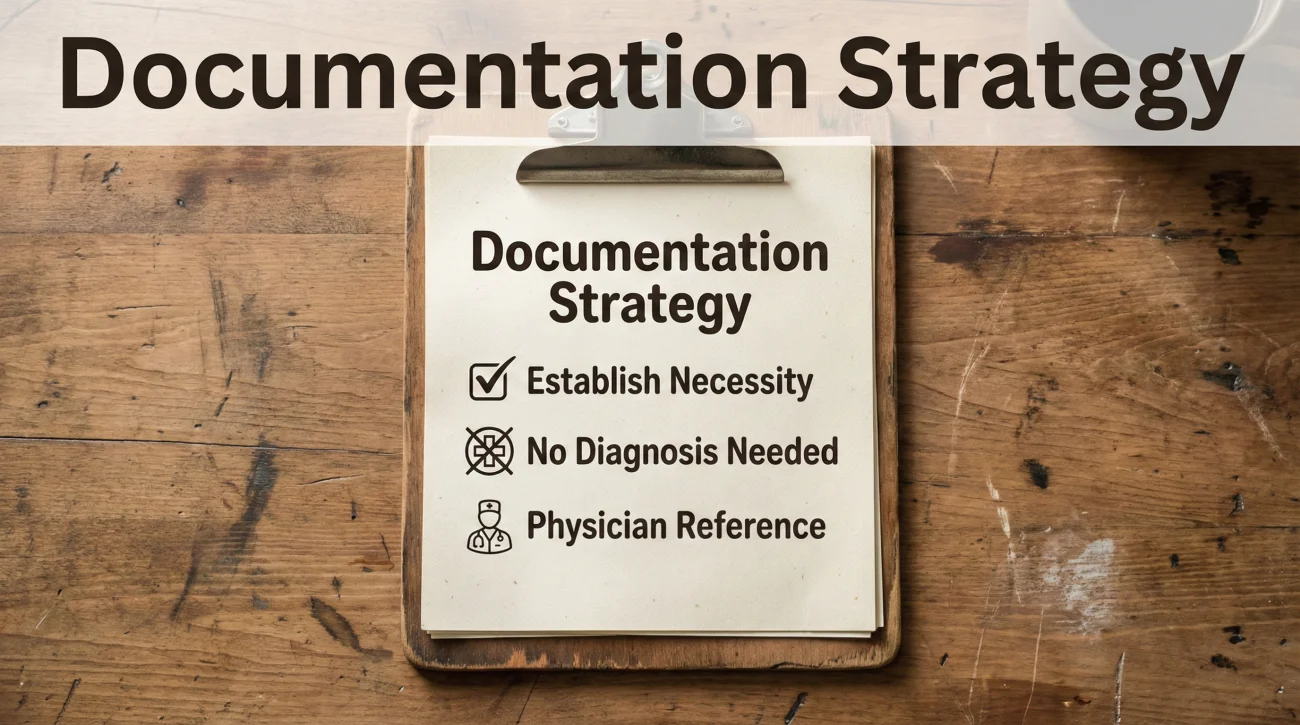
Your medical resignation letter needs to communicate “health issues require my departure” without specifying what those issues are. This creates documentation that your resignation stemmed from medical circumstances while protecting diagnostic details that employers don’t need and shouldn’t have.
Effective phrases that establish necessity without disclosure: “Recent medical developments require my full attention,” “My physician has recommended I step back from work obligations,” “Health considerations necessitate prioritizing treatment and recovery,” or “Medical circumstances require changes incompatible with my current role.”
These statements clearly indicate health issues drive your decision without revealing whether you’re dealing with cancer, mental health conditions, chronic illness, or any other specific diagnosis. The vagueness is intentional and appropriate – your employer needs to understand you’re leaving for health reasons, not which health reasons specifically.
Physician Recommendation as Shield
Referencing your doctor’s guidance provides powerful documentation without diagnosis disclosure. When you state “my physician has advised” or “following medical recommendations,” you establish that healthcare professionals support this decision, lending it legitimacy without requiring you to explain the underlying medical issues.
This approach serves multiple purposes. It prevents employers from questioning whether you’ve adequately explored alternatives like modified duties or schedule adjustments. It demonstrates you’re making informed decisions with professional medical guidance. And it creates documentation showing your departure stems from legitimate health concerns rather than performance issues or workplace dissatisfaction.
Position for Potential Disability Claims
If you might eventually file for disability benefits, your resignation letter becomes part of that claim’s evidence. You need documentation showing health issues affected your ability to work without premature disability declarations that could complicate applications.
The key is acknowledging health impacts on work capacity without claiming you’re disabled: “My health situation requires stepping back from full-time employment obligations” works better than “I’ve become unable to perform my job duties due to disability.” The former acknowledges reality; the latter makes legal claims with specific technical meanings in disability law.
Medical Certificate References
Mentioning medical documentation in your resignation letter strengthens your position without requiring actual disclosure. You’re establishing that professional healthcare providers support your decision, creating a paper trail without inserting medical records into employment files.

Reference Without Attachment
State that medical documentation exists without actually providing it: “My physician has provided documentation supporting this medical leave” or “I have medical certification of the necessity for this departure.” This establishes legitimacy while keeping medical details out of HR files unless legally required.
Employers sometimes request medical documentation. Respond strategically: “I’m happy to provide appropriate documentation if needed for benefits processing or legal requirements.” This acknowledges their potential need while establishing you’re not volunteering comprehensive medical records without clear necessity.
HIPAA Privacy Protections
Your medical information enjoys legal privacy protections under HIPAA. While resignation letters aren’t medical records, being thoughtful about health disclosures in employment documents protects your privacy rights. You’re not obligated to disclose diagnoses, prognoses, or treatment plans in your resignation due to illness letter.
If pressed for details, invoke privacy directly: “For privacy reasons, I prefer not to discuss specific medical details. I’m happy to provide necessary documentation through appropriate channels if required for benefits administration.” This maintains boundaries professionally while acknowledging legitimate administrative needs.
Health Resignation Templates
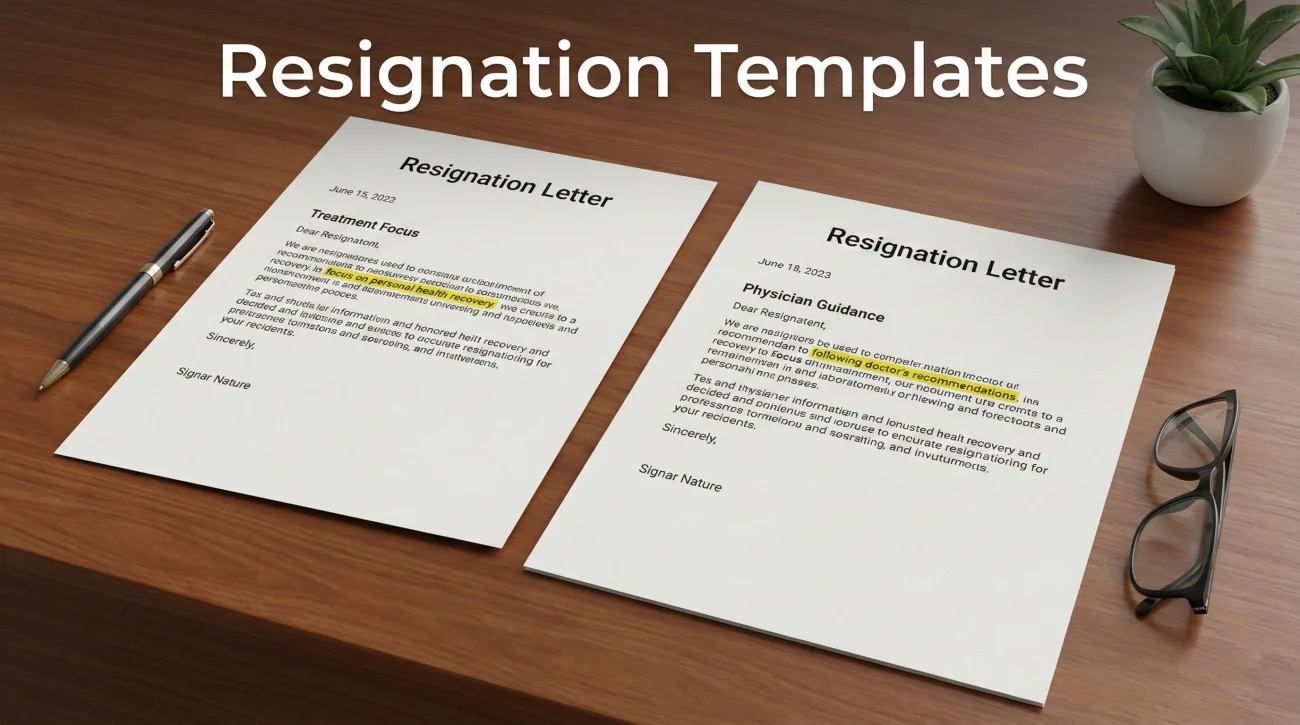
These templates establish medical necessity while protecting diagnostic privacy. For additional resignation guidance, see our comprehensive resignation letter with reason guide.
Medical Treatment Focus Letter
Sarah Williams
892 Cedar Lane
Portland, OR 97204
March 18, 2024
Michael Chen
Human Resources Director
Northwest Tech Solutions
Dear Michael,
I am writing to resign from my position as Marketing Manager, effective April 1, 2024.
Recent medical developments require me to prioritize treatment and recovery over work commitments. My healthcare providers have recommended I step back from professional obligations to focus fully on addressing these health concerns.
This decision is difficult given my commitment to our team and current projects. However, my health situation necessitates this departure. I appreciate the opportunities Northwest Tech has provided and the supportive environment I’ve experienced here.
I will work with my team during my remaining time to document all active campaigns and ensure smooth transitions for ongoing projects. Please let me know if you need any additional information for benefits processing or other administrative purposes.
Thank you for your understanding regarding these circumstances.
Sincerely,
Sarah Williams
This letter clearly establishes health issues necessitate departure without specifying diagnosis or prognosis. The phrase “healthcare providers have recommended” adds authority without revealing medical details. The offer to provide information “for benefits processing” acknowledges potential documentation needs while maintaining boundaries about voluntary disclosure.
Physician Guidance Letter
Robert Martinez
456 Oak Street
Seattle, WA 98101
April 8, 2024
Jennifer Park
Department Manager
Pacific Systems Group
Dear Jennifer,
I am submitting my resignation from my position as Systems Analyst, effective April 22, 2024.
Following medical consultation, my physician has advised that continuing full-time employment at this time is inadvisable given my current health situation. This medical recommendation requires me to step back from work obligations to prioritize my health and recovery.
I have medical documentation supporting this decision and am available to provide necessary information through appropriate HR channels if needed for benefits continuation or other administrative purposes.
During my notice period, I will complete comprehensive documentation of all system processes, pending projects, and technical specifications to support whoever assumes these responsibilities.
I’m grateful for the professional development opportunities I’ve received at Pacific Systems Group.
Sincerely,
Robert Martinez
This resignation letter due to health reasons emphasizes physician guidance, lending medical authority to the decision without requiring diagnosis disclosure. The explicit mention of having medical documentation establishes legitimacy while the phrase “through appropriate HR channels” maintains control over when and how medical information is shared.
Legal Protection Considerations
Health resignations intersect with disability law in ways affecting your rights. Understanding these connections helps you avoid forfeiting protections or creating problematic documentation.

Consider ADA Accommodations First
The Americans with Disabilities Act requires employers to provide reasonable accommodations for qualified individuals with disabilities. Before resigning, consider requesting accommodations: modified schedules, remote work, adjusted duties, or temporary leave.
If you resign without requesting accommodations, you might forfeit ADA protections. If your employer refused reasonable accommodations, document those failures before resigning – though keep your resignation letter neutral.
Protecting Future Options
Some health conditions improve over time. Your quitting job due to health letter should preserve future employment options. Avoid permanent-sounding language: “My current health situation requires” works better than “My disability prevents” because it acknowledges present circumstances without declaring permanent inability to work.
This distinction matters if your health improves and you want to return. “Current health situation” suggests temporary circumstances that might change; “disability” implies permanence that could complicate explaining later ability to work.
❓ FAQ
🏥 Do I need to disclose my specific diagnosis?
No, you’re not required to disclose specific diagnoses in resignation letters. Establish that health issues necessitate your departure without revealing diagnostic details. However, if claiming disability benefits or FMLA leave, you may need medical documentation through proper HR channels – but that’s separate from your resignation letter. Keep diagnostic information out of employment files unless legally required for specific benefit claims.
💊 Should I mention if my health condition is terminal or chronic?
Avoid characterizing your condition’s severity or permanence in resignation letters. Terms like “terminal,” “chronic,” or “permanent” create documentation that might complicate insurance, future employment, or legal matters. Instead, focus on current necessity: “My health situation requires prioritizing treatment” conveys seriousness without defining prognosis. If your condition later improves unexpectedly, you haven’t documented permanent disability that makes returning to work seem contradictory.
📋 Can my employer require medical documentation to accept my resignation?
Employers cannot require medical documentation as condition for accepting resignation – you have the right to resign for any reason or no stated reason. However, they may request documentation for benefits processing, disability claims, or COBRA continuation. Respond: “I’m happy to provide appropriate documentation through proper channels for benefits administration purposes.” This acknowledges legitimate administrative needs while maintaining boundaries about voluntary disclosure in resignation letters.
🔄 Will resigning affect my eligibility for disability benefits?
Potentially, depending on benefit types and circumstances. Short-term disability typically requires you to be employed when disability begins. Long-term disability and Social Security Disability Insurance have different requirements. Consult with benefits administrators before resigning to understand how timing affects your eligibility. If possible, begin disability claims while still employed, then resign if necessary. Your resignation letter should document that health issues necessitate departure, supporting any disability claims filed.
⚖️ What if I’m resigning because my employer won’t accommodate my disability?
This potentially constitutes discrimination under the ADA. Before resigning, document accommodation requests and employer responses carefully. Consult an employment attorney about your rights. Your resignation letter should remain neutral about reasons, but your personal records should capture accommodation failures. Don’t mention discrimination claims in resignation letters – address those through separate legal channels. However, your documented resignation “due to health reasons” can support later claims that employer failures forced your departure.
Final Thoughts
A resignation letter due to health issues requires more strategic thinking than most departures. You’re balancing documentation needs against privacy protection, establishing medical necessity without excessive disclosure, and preserving options for benefits, legal protections, and future employment. These competing interests demand careful letter crafting that serves your long-term interests.
Remember that your resignation letter becomes permanent documentation in your employment file. What seems like helpful explanation today might become problematic context tomorrow when your health improves or circumstances change. When in doubt, err toward less disclosure rather than more – you can always provide additional medical information later through proper channels if truly necessary for benefits or legal purposes.
Most importantly, prioritize your health over workplace obligations. No job is worth sacrificing your wellbeing, and most reasonable employers understand when health necessitates difficult professional decisions. Handle your resignation professionally, maintain appropriate boundaries about medical privacy, and focus on the recovery or treatment that prompted this decision in the first place.
⚠️ Legal Disclaimer: ResignSmartly provides general informational guidance about resignation, workplace communication, notice periods, handovers, and career transitions. Content does not constitute individualized legal advice. Employment laws, contracts, workplace policies, and individual circumstances vary, so review the requirements that apply to your situation and consult an appropriate qualified professional when needed.