
- What this letter is: A confirmation you will not renew and will finish the contract on its scheduled end date.
- How to frame it: A natural conclusion of temporary work, not a dramatic quit or a long explanation.
- Timing to follow: Contract notice clause first, if silent give 4–6 weeks when you can, but only once you are certain.
- What to include: End date, brief context if needed, and a clear commitment to a clean handoff and documentation.
- Extensions decision: Accept only if terms and timing serve you, otherwise decline firmly and keep the exit audit-ready.
When Contracts Reach Natural Endpoints
A resignation letter at end of contract formalizes decisions not to renew temporary employment when contracts approach expiration. Unlike standard resignations that end indefinite employment, contract endings involve predetermined timeframes where both parties anticipated eventual conclusion. Your letter simply confirms what contract terms already established – employment will end on schedule without renewal.
These notifications differ from typical resignations because they acknowledge existing agreements rather than breaking commitments. You’re not quitting jobs you promised to maintain – you’re declining to extend arrangements both parties knew were temporary. This distinction shapes how you communicate decisions.
Frame Contract Non-Renewal as Natural Conclusion
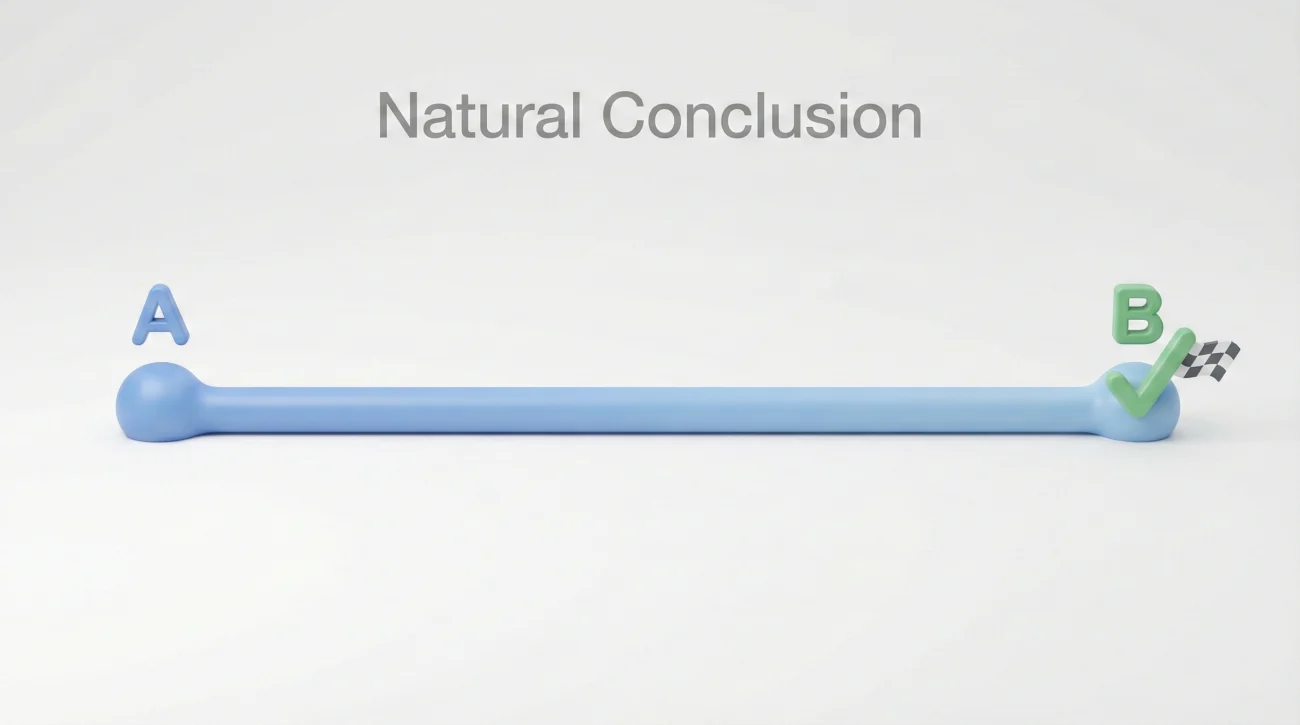
Your resignation letter end of contract non renewal should position contract conclusions as anticipated outcomes of temporary arrangements rather than premature departures requiring extensive justification.
Contracts Are Inherently Temporary
Contract positions exist precisely because work is temporary, project-based, or subject to funding cycles that don’t support permanent employment. When you accepted contract employment, both parties understood the arrangement had built-in expiration dates subject to renewal negotiations rather than assumed continuity. Your decision not to renew simply exercises rights both parties agreed to when establishing temporary employment terms.
Frame this clearly: “As my contract approaches its scheduled end date of [date], I’m writing to confirm I will not be seeking renewal and will conclude my employment as originally agreed.” This language emphasizes you’re following contract terms, not breaking commitments or abandoning obligations unexpectedly.
Brief Reasons Suffice
Unlike permanent position resignations where extensive explanation might feel necessary, contract non-renewals rarely require detailed justification. Brief statement suffices: “I’ve decided not to renew my contract to pursue other opportunities” or “I’m choosing not to extend my contract beyond its original term.” The temporary nature of contract employment means both parties expect periodic reassessments about renewal, making non-renewal less surprising than permanent position resignations.
However, if you want to provide context, general explanation works: “I’ve accepted a permanent position elsewhere” or “I’m pursuing opportunities that better align with my long-term career goals.” These brief statements satisfy curiosity without requiring comprehensive career explanation that permanent resignations might warrant.
Acknowledge Contract Experience
Even when choosing not to renew, brief acknowledgment of positive contract experience maintains relationships: “I’ve valued the experience gained during this contract period and appreciate the opportunities provided.” This courtesy takes minimal effort while preserving professional connections that might benefit future contract opportunities or industry relationships.
However, if contract experience was genuinely negative, generic professional close suffices: “Thank you for the opportunity to contribute to the team during this contract period.” This maintains minimum professional courtesy without forcing insincere enthusiasm about experiences you’re happy to conclude.
Provide Appropriate Notification Timing
Your contract expiration resignation letter should follow contractual notification requirements or professional standards when contracts are silent about non-renewal communication timing.

Review Contract Notification Clauses
Many contracts specify notification requirements for non-renewal: “Either party may choose not to renew by providing 30 days’ notice prior to contract end date” or similar language establishing minimum notification periods. These contractual terms define your legal obligations regardless of what feels considerate or courteous.
When your contract specifies notification timing, providing that notice demonstrates professionalism and honors agreements: “Per our contract terms requiring 30 days’ notice, I’m writing to inform you I will not be renewing my contract ending [date].” This explicit reference to contractual obligations establishes you’re following agreed procedures rather than imposing unilateral decisions.
When Contracts Are Silent
If your contract doesn’t specify non-renewal notification timing, professional courtesy suggests 4-6 weeks’ notice before contract end date. This allows employers reasonable time to determine whether replacement contract workers are needed, begin hiring processes if necessary, or adjust project timelines to accommodate your departure.
However, balance courtesy against your own planning needs. If you’re uncertain about renewal until close to contract end – perhaps depending on whether other opportunities materialize – waiting until you’re certain before notifying makes sense even if timing becomes tighter. Premature non-renewal notification that you later want to retract creates more problems than slightly shorter notice given with certainty.
Responding to Unexpected Extension Offers
Sometimes employers offer contract extensions after you’ve notified non-renewal intentions. Your not renewing contract letter should be definitive enough that these extensions require new decisions rather than appearing to negotiate for better terms: “I appreciate the extension offer, but I’ve committed to other plans after this contract ends and won’t be able to extend.”
However, if genuinely interested in extension under right terms, honest communication works: “I had planned not to renew, but I’m interested in the extended responsibilities you’ve mentioned. Can we discuss the specifics?” This direct approach prevents misunderstandings while exploring whether extension might work.
Contract Conclusion Templates
These templates communicate contract non-renewals professionally while acknowledging temporary employment’s predetermined nature. For broader guidance, see our resignation letter with reason guide.
Standard Non-Renewal Template
Jennifer Martinez
456 Oak Street
Portland, OR 97204
March 15, 2024
David Chen
Project Manager
Pacific Northwest Consulting
Dear David,
As my contract approaches its scheduled end date of April 30, 2024, I am writing to confirm that I will not be seeking renewal and will conclude my employment as originally agreed.
I have accepted a permanent position beginning in May that better aligns with my long-term career objectives. I’ve valued the experience gained during this contract period and appreciate the opportunity to contribute to the team’s projects.
I will ensure comprehensive handoff of all my current work and documentation during the remaining six weeks of my contract.
Thank you for the professional development opportunities provided during this contract.
Sincerely,
Jennifer Martinez
This letter frames non-renewal as fulfilling original contract terms rather than premature departure. The mention of accepting permanent position provides context without requiring detailed explanation. The six-week advance notice demonstrates professional courtesy even when contract might not explicitly require this timing. The acknowledgment of experience maintains positive relationship despite choosing not to continue.
Contract Completion Template
Michael Thompson
892 Pine Avenue
Seattle, WA 98101
April 8, 2024
Sarah Williams
Department Head
Northwest Technology Solutions
Dear Sarah,
Per our contract terms requiring 30 days’ notice, I am writing to inform you that I will not be renewing my contract when it expires on May 31, 2024.
The six-month contract period has provided valuable technical experience working with your team. However, I’m pursuing opportunities that offer the permanent employment stability and benefits that contract positions typically don’t provide.
I will work closely with the team during my remaining time to ensure thorough documentation of the systems I’ve developed and smooth knowledge transfer for whoever continues this work.
Thank you for the opportunity to contribute to Northwest Technology Solutions during this contract.
Sincerely,
Michael Thompson
This template explicitly references contractual notification requirements, establishing he’s following agreed procedures. The honest explanation that he’s seeking permanent employment stability acknowledges contract work’s inherent limitations without criticizing employer. The commitment to thorough transition demonstrates professionalism despite choosing not to continue contract relationship.
Decide Extension vs Clean Exit
Deciding whether to entertain contract extension discussions or make clean exits requires strategic thinking about whether extended contract work serves your interests.

When Extensions Make Sense
Extension might work if: employer offers better terms than original contract, additional duration helps you reach specific savings goals, you haven’t secured alternatives yet and extension provides income continuity, or project completion would enhance your portfolio. These practical reasons justify extending arrangements you’d otherwise conclude.
However, be honest about intentions. If you know you’re leaving regardless once specific duration ends, communicate clearly: “I can extend through June to help with project completion, but I’ll definitely be concluding employment at that point.”
When Clean Endings Serve You Better
Decline extensions when: you’ve committed to other opportunities, you’re exhausted by contract uncertainty and want permanent employment, or contract work no longer serves your career development. These legitimate reasons for clean endings don’t require elaborate justification – contract work’s temporary nature means both parties expect periodic reassessments.
❓ FAQ
⏰ How much notice should I give for contract non-renewal?
Check your contract for specified notification requirements – many require 30-60 days’ notice. If contract is silent, 4-6 weeks before end date demonstrates professional courtesy while allowing adequate planning time. However, balance courtesy against your own planning needs – if you’re uncertain about other opportunities until close to contract end, slightly shorter notice given with certainty beats premature notification you might want to retract. Most employers understand contract workers assess options as end dates approach.
💼 Will not renewing hurt future contract opportunities?
Generally no, particularly if handled professionally with adequate notice and strong work performance. Contract work’s inherent nature means employers expect workers to move between contracts as opportunities arise. What damages future prospects is unprofessional behavior, poor performance, or burning bridges during departure – not simply choosing not to renew when contracts end. Many contractors successfully return to previous employers for future contracts after departures handled professionally.
📝 Do I need formal resignation letter for contract endings?
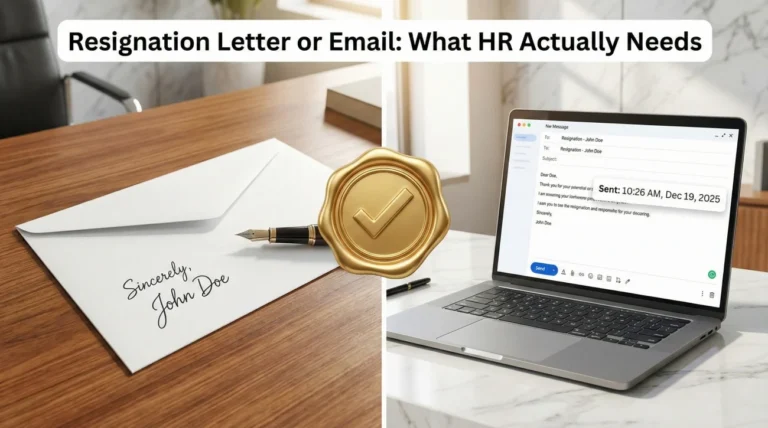
Best practice yes, even though contract has predetermined end date. Written non-renewal notification prevents misunderstandings about whether you’re expecting renewal, creates documentation of your notification timing, and maintains professional standards regardless of employment type. Brief letter or email confirming non-renewal suffices – doesn’t need extensive formality of permanent position resignations, but written confirmation prevents ambiguity about your intentions.
🤝 Can they terminate before contract ends if I announce non-renewal?
Depends on contract terms and circumstances. Some contracts include clauses allowing early termination by either party with notice. If your contract allows this, employer could legally end employment early after receiving your non-renewal notice. However, most employers keep contract workers through end dates if workers remain productive, as replacing people mid-contract creates disruption. If you’re concerned, check your contract for early termination provisions before announcing non-renewal, or time your notification to minimize risk of early termination affecting your income.
💰 Will I get severance if I don’t renew contract?
Unlikely. Severance typically applies to involuntary termination from permanent positions, not voluntary non-renewal of contract arrangements. Contract work’s temporary nature means both parties anticipate eventual conclusion without severance. You’re entitled to payment for work performed through contract end, but additional severance rarely applies. Some contracts specify completion bonuses if you work through entire term – check your contract for these provisions, but don’t expect severance that permanent employees might receive.
Final Thoughts

A resignation letter at end of contract formalizes decisions both parties anticipated when establishing temporary employment arrangements. Contract work’s inherent impermanence means non-renewal represents natural conclusions rather than unexpected departures, making these notifications simpler than permanent position resignations that break ongoing employment relationships.
Handle contract non-renewals with professional courtesy appropriate to your relationship and contract duration while recognizing you’re exercising rights both parties agreed to when establishing temporary arrangements. Brief notification confirming non-renewal, general context about your decision, and commitment to professional transition through contract end suffice without extensive justification or apology for choosing not to continue temporary arrangements.
Remember that contract work’s flexibility benefits workers as much as employers – you’re free to assess each contract’s value and choose whether renewal serves your interests without stigma attached to leaving permanent positions. This mutual freedom to reassess periodically represents contract employment’s core advantage over permanent arrangements where departures require more significant disruption and explanation.
⚠️ Legal Disclaimer: The resignation templates, email samples, and professional guidance provided in this guide are for informational purposes only and do not constitute legal advice. Employment laws and contract requirements vary by jurisdiction and individual circumstances. Please review your employment agreement and consult your HR department and/or a qualified attorney to ensure compliance with applicable laws and policies.