- Core Idea: A creative goodbye email can become office lore if it is relevant, polished, and respectful.
- Psychology Lever: The Von Restorff Effect makes “different” memorable, but only when the creativity fits the team and context.
- Safety Check: Do a culture audit first, if your workplace is conservative or your rapport is thin, stay standard.
- Formats That Work: Use structured options like Top 10 list, Short poem, Career stats, Infographic timeline, Or a 60-second video link.
- Execution Rules: Keep it brief, test on mobile, avoid big attachments, include alt text or a text summary, and skip inside jokes, low-effort quality, or dramatic oversharing.
The Art of the Memorable Exit: Why Creativity is the Ultimate Career Hack
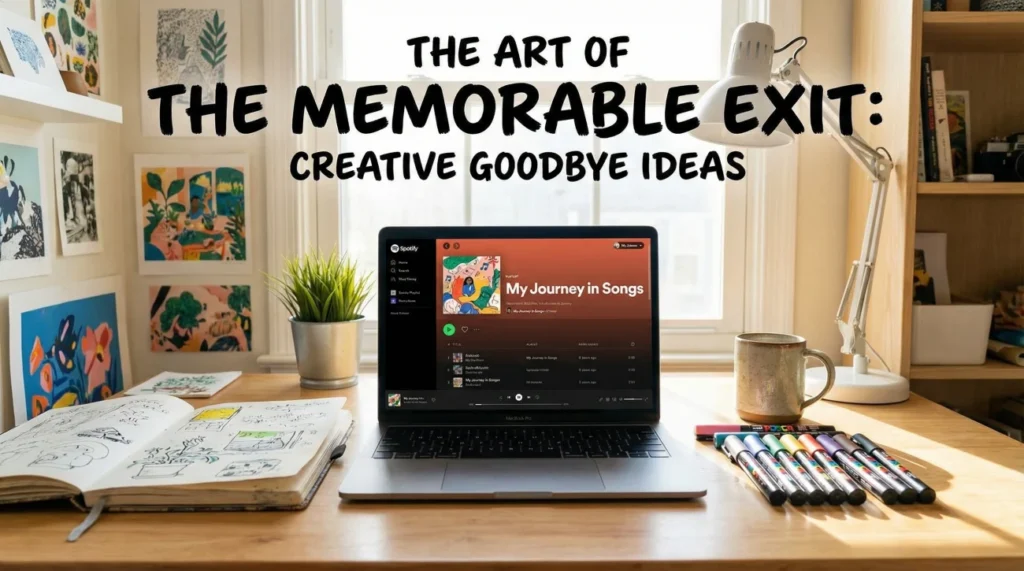
The most memorable creative goodbye email I ever witnessed involved no words at all – just a carefully curated Spotify playlist titled “My Journey Here in Songs.” It arrived at 11:00 AM on a Tuesday. Track 1 was “Started from the Bottom” by Drake. Track 12 was “Survivor” by Destiny’s Child. The final track was “Don’t You (Forget About Me)” by Simple Minds. Each song represented a specific project, a team inside joke, or a milestone that only the team would understand.
By lunchtime, half the office was listening to it, laughing at the clever connections, and debating the song choices in the breakroom. Three years later, people still reference that playlist during happy hours. It wasn’t just an email; it was a cultural artifact that cemented the sender’s legacy.
Standard goodbye emails serve a functional purpose – they inform. But they rarely stick in people’s memories. They are transactional. A creative farewell email, however, is transformational. It becomes part of the office lore. But here is the catch: The difference between “legendary” and “cringe-worthy” isn’t talent – it’s execution. This deep-dive guide shows you exactly how to execute a unique goodbye email that cements your legacy without destroying your professional reputation.
The Psychology of Being Different: The Von Restorff Effect
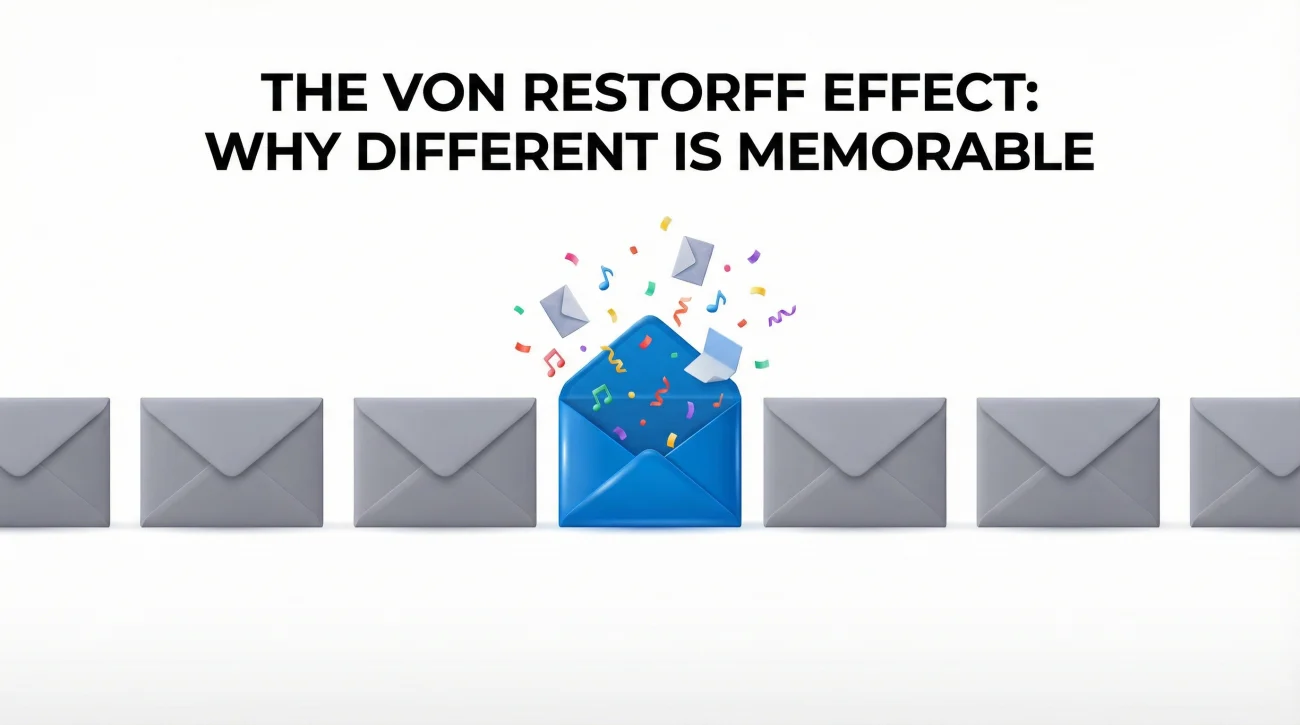
Why do we remember the Spotify playlist but forget the hundred “Best Regards” emails? In psychology, this is known as the Von Restorff Effect (or the Isolation Effect). It states that when multiple homogenous stimuli are presented, the stimulus that differs from the rest is more likely to be remembered.
In a corporate inbox filled with black text on a white background, a creative goodbye email – whether it’s a poem, a video, or an image – acts as a pattern interrupt. It forces the brain to pay attention. However, “different” doesn’t always mean “good.” To make the Von Restorff Effect work for you rather than against you, your creativity must be rooted in relevance and quality.
The “Vibe Check”: Is Creativity Safe in Your Workplace?
Not every workplace welcomes a creative farewell email. Before you start crafting haikus or filming a TikTok-style goodbye, you must honestly assess your environment. Creativity in a conservative space can read as immaturity.
The Culture Audit Checklist
Ask yourself these critical questions before proceeding:
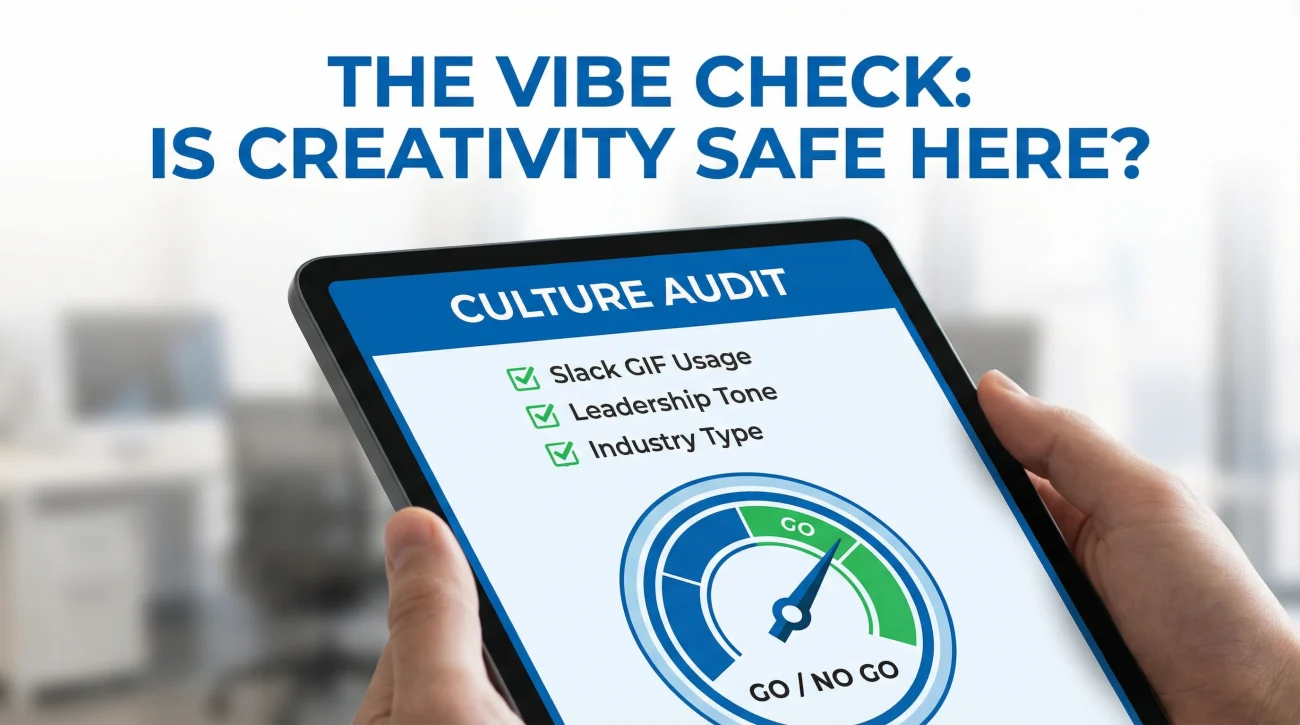
- The “Slack Test”: Do people use GIFs, memes, and custom emojis in public channels? If yes, you have a green light.
- The Precedent: Has anyone else sent a non-traditional goodbye that was well-received? Or did the last person who tried a joke get silence?
- The Industry: Are you in Advertising, Tech, Media, or Design? (Green Light). Are you in Law, Banking, or Government? (Proceed with extreme caution).
Rule of Thumb: Rapport is Required
Creative goodbyes require established capital. The same goodbye poem for colleagues that delights a team you’ve worked with for five years will confuse distant colleagues who barely know you. Creativity implies intimacy. If you don’t have the relationship, stick to the standard format.
5 Creative Formats That Actually Work (With Deep Dive Templates)
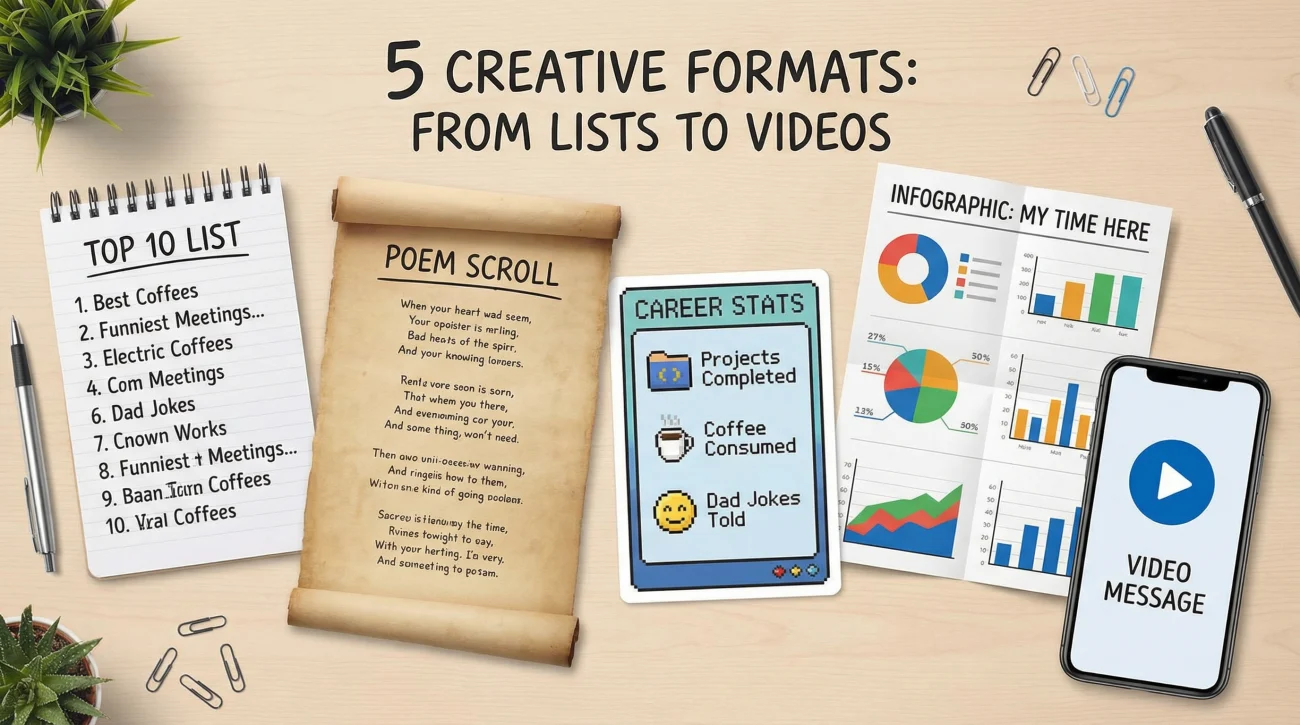
Creativity needs structure. Randomness is confusing; curated creativity is engaging. Here are five proven frameworks for a unique goodbye email.
1. The “Top 10 List” (The Buzzfeed Approach)
Why it works: Lists are inherently scannable. Our brains love ranked information. It allows you to mix humor with genuine gratitude without feeling chaotic.
Subject: Top 10 Things I’ll Actually Miss (Not clickbait)
Hi Team,
Since today is my last day, I wanted to avoid the generic “goodbye” wall of text. Instead, here is my definitive ranking of what I will miss:
10. The office coffee machine (It built my character).
9. The panic of Q4 deadlines (Bonding through trauma).
8. [Name]’s incredible ability to find the perfect GIF for any situation.
7. The debate over whether the AC is too cold (It is).
6. Collaborative brainstorming that actually felt like play.
5. Learning [Skill] from the wizards in the Engineering team.
4. The support I received during [Specific Project].
3. Inside jokes that would sound insane to anyone outside this building.
2. The genuine friendships that went beyond the job description.
1. YOU. This team.
Let’s keep the list going on LinkedIn:
[Link]
Best,
[Your Name]
2. The “Goodbye Poem” (Playful Verse)
Why it works: A goodbye poem for colleagues disarms people. It signals that you don’t take yourself too seriously. The key is to keep it lighthearted (think Dr. Seuss, not Shakespeare). Avoid overly serious or emotional poetry, as it can be uncomfortable to read in a professional setting.
Subject: A Farewell in Verse (I promise it’s short)
Team,
Three years have passed in a blink of an eye,
Now the time has come to say goodbye.
We fixed the bugs and shipped the code,
And shared the burden of the heavy load.
I leave with skills and friends anew,
And a massive thank you to all of you.
(I will stick to [Job Title] and leave the poetry to the professionals).
In all seriousness, thank you for a wonderful chapter.
Keep in touch:
[LinkedIn Link]
[Your Name]
3. The “Career Stats” (Gamification)
Why it works: Perfect for data analysts, developers, or gamers. It summarizes your tenure in a format that speaks the language of your role. It’s a form of “data storytelling” applied to your own career arc.
Subject: Final Stats Report: [Your Name] 2020-2024
Hi everyone,
As I log off for the final time, here is the executive summary of my tenure:
📊 Key Metrics:
- Days Employed: 1,240
- Projects Shipped: 42
- Coffees Consumed: Estimate implies a health risk (~3,000)
- Slack Messages Sent: Too many
- Friends Made: The most important metric.
Status: [TRANSITIONING TO ALUMNI NETWORK]
Thank you for helping me improve my stats.
Connect here:
[LinkedIn Link]
Cheers,
[Your Name]
4. The “Infographic” or Visual Journey
Why it works: A goodbye infographic email stands out visually in a sea of text. It is highly shareable. Visuals are processed 60,000 times faster than text.
Pro Tip: Use tools like Canva to create a simple “Timeline” of your time there. Mark key milestones (first day, first big win, first office party).
Note: Do not attach a massive file. Insert a small image or link to it.
Subject: My journey in one image 🖼️
Hi Team,
Words are hard, so I made a visual recap of my 3 years at [Company].
[Insert clear, small image of a timeline or “Thank You” graphic]
If the image doesn’t load, the summary is simple: You are amazing, and I will miss you.
Stay colorful,
[Your Name]
[LinkedIn Link]
5. The “Video Message” (The Cameo Style)
Why it works: A goodbye video message creates a deep personal connection, especially for remote teams who haven’t seen you IRL in months. It captures your tone of voice and facial expressions, which text lacks.
Script Idea (60 Seconds):
“Hi everyone! I’m recording this because typing ‘goodbye’ felt too impersonal. I just want to say… [Specific Thanks]. My favorite memory was [Memory]. I’m leaving, but I’m not disappearing. Connect with me on LinkedIn!”
Subject: A 60-second video message for the team 🎥
Hi Everyone,
Typing this out felt too impersonal, so I recorded a quick video to say goodbye properly.
Watch it here: [Link to Loom/Vimeo/Google Drive]
(Spoiler alert: I get a little sentimental at the 30-second mark).
For those who prefer text: Thank you for everything. Let’s stay connected.
[LinkedIn Link]
Best,
[Your Name]
Technical Guidelines: Don’t Let Tech Fail You
The most brilliant interactive goodbye email fails if no one can open it. Imagine sending a heartfelt video that is blocked by the company firewall. Disaster. Follow these technical rules to ensure deliverability and accessibility.
| Component | Rule | Why? |
|---|---|---|
| File Size | Under 2MB | Corporate firewalls often block large attachments. Large files also annoy mobile users who are on data plans. |
| Video Hosting | Use Links (Loom/Drive) | Never attach a video file directly (MP4/MOV). It will bounce or get flagged as spam. Link to a hosted version instead. |
| Mobile | Test on Phone | 50% of people will read your email on a phone. Ensure your infographic text is legible on a small screen. |
| Accessibility | Use Alt Text | If you send an image, write a text summary below it. This is crucial for screen readers and for instances where images are blocked by default. |
The “Cringe” Danger Zone: What to Avoid
Creativity creates vulnerability. When you step outside the norm, you expose yourself to judgment. Avoid these common mistakes that turn a fun goodbye into an awkward memory.
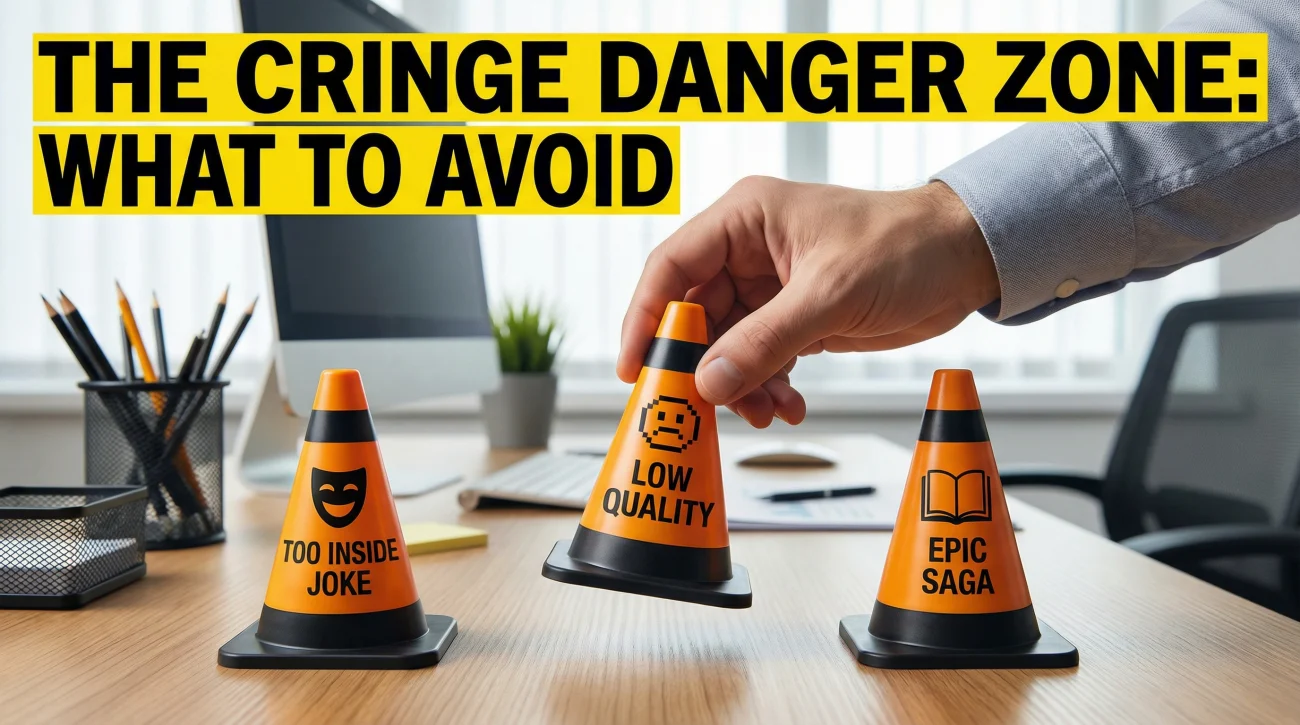
1. The “Too Inside” Inside Joke
If you reference a joke that only 3 people understand in an email to 50 people, the other 47 will feel alienated. They will feel like they are crashing a private party. Creativity should be inclusive, not exclusive. If you must use inside jokes, keep them for the 1-on-1 emails.
2. Low-Quality Execution
A poorly edited video with bad audio is worse than a text email. A blurry photo collage looks unprofessional. If you can’t execute the creative idea at a high level (“High Polish”), stick to text. Professionalism > Creativity. Always.
3. The Epic Saga
A poem should be 6-8 lines, not an epic ballad. A video should be 60 seconds, not a documentary. Respect your colleagues’ time. Brevity is the soul of wit. If they have to scroll three times to get to the point, you’ve lost them.
❓ Frequently Asked Questions (FAQ)
🎨 How do I know if my creative idea is “too much”?
The “Best Friend Test”: Send it to your trusted work friend first. If they cringe, hesitate, or ask “Are you sure?”, scrap it immediately. If they laugh immediately, you are good to go.
🎵 Can I share a Spotify playlist?
Yes! An interactive goodbye email with a playlist is a fantastic, low-risk way to be creative. Just ensure the songs are “Safe For Work” (clean versions). Avoid songs with explicit lyrics or controversial titles. It’s a great conversation starter.
🎥 Is a video appropriate for a conservative company?
Usually, no. In Banking, Law, or Pharma, a video might be seen as narcissistic or unprofessional. Stick to a well-written text email in these environments. Know your audience.
💾 Can I leave a digital legacy doc (Notion/Google Doc)?
Absolutely. Leaving a “Survival Guide” or a “Wisdom Doc” is a high-value creative exit. It shifts the focus from “Look at me” to “Here is how I can help you.” It is creativity with utility.
Final Thoughts: Be You, But Be Your Best Professional Self
The goal of a creative farewell email isn’t to go viral; it’s to be remembered fondly. It allows you to leave a fingerprint on the organization, showing that a human being worked here, not just a resource.
When done with intent and polish, these creative flourishes transform a sad goodbye into a celebration of shared time. So go ahead – write the haiku, curate the playlist, or design the stats card. Just make sure it reflects the best version of you.
If you are still finalizing the logistics, don’t forget to check our resignation guide or download our handover templates. For more traditional approaches, our ultimate goodbye email guide is always available. Leave your mark, but leave with class.
⚠️ Legal Disclaimer: ResignSmartly provides general informational guidance about resignation, workplace communication, notice periods, handovers, and career transitions. Content does not constitute individualized legal advice. Employment laws, contracts, workplace policies, and individual circumstances vary, so review the requirements that apply to your situation and consult an appropriate qualified professional when needed.