
- Core idea: Client relationships are an invisible career asset, so an appreciation email protects trust as you exit.
- Client psychology: Your note functions as a “Transfer of Trust” that reduces anxiety and improves the Peak-End memory of working with you.
- Two-email protocol: Separate logistics (operational farewell during notice) from relationship (relational appreciation 1 to 3 weeks after leaving).
- Non-solicit risk: Stay in the safe zone by thanking and staying connected, never mention a competitor, pitch services, or hint they should move business.
- Execution: Use templates by client type, avoid mass BCC and oversharing, and use LinkedIn as the safest way to stay connected.
The Invisible Asset: Client Relationships
In the balance sheet of your career, your network is your net worth. But within that network, clients occupy a special tier. They are the people who have seen you under pressure, validated your work with their budget, and trusted you with their business problems. When you resign, sending a thoughtful appreciation email to client contacts is not just politeness – it is asset protection.
Transitioning out of a role often triggers anxiety for clients. They worry about service disruption, the competence of your replacement, and the loss of institutional knowledge. A standard “goodbye” email addresses the logistics, but it fails to address the relationship. It treats the client as a data point in a CRM rather than a human being you have collaborated with for years.
To truly cement these bonds for the long term, you need more than a transition plan. You need a communication strategy that honors the past partnership while professionally separating it from your current employer. This guide will show you how to navigate that delicate balance without violating non-solicitation agreements, transforming a potential operational risk into a lifelong professional alliance.
The Psychology of Client Anxiety
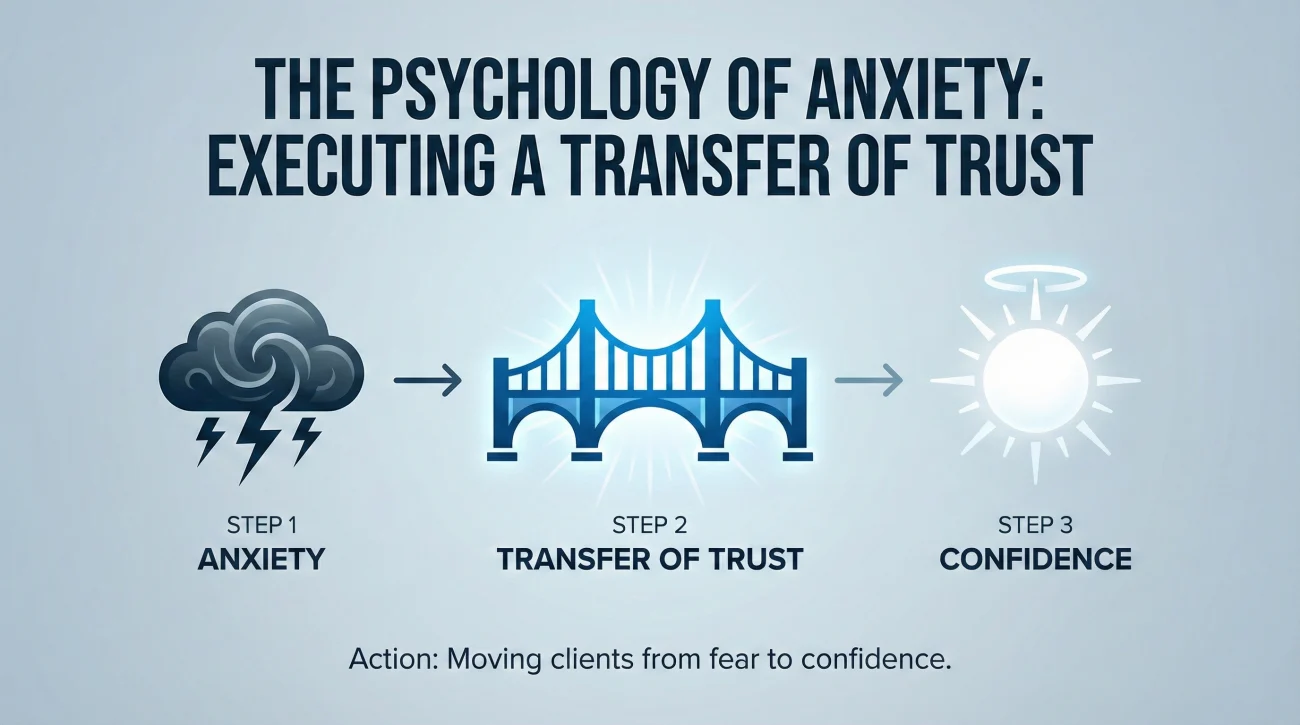
To write an effective email, you must first understand the emotional landscape of your client. When a primary contact leaves, a client undergoes a mini “crisis of confidence.” You were their interface with the company. You knew how they liked their reports formatted, you knew their internal politics, and you knew their unspoken preferences. Your departure forces them to retrain someone new – a task nobody enjoys.
Your appreciation email serves a specific psychological function: it is a “Transfer of Trust.” By explicitly validating the work you did together and expressing confidence in your successor, you reduce their cognitive load. You are telling them: “The foundation we built is strong enough to survive my exit.”
Furthermore, this email triggers the “Peak-End Rule.” Clients will judge your entire tenure based largely on how it ended. A graceful, reassuring exit can retroactively improve their perception of your work, whereas a chaotic or silent exit can tarnish years of great service.
The “Two-Email” Protocol
The biggest mistake professionals make is trying to cram logistics and emotion into one email. It rarely works. It feels disjointed to say “Please sign this final invoice” and “You changed my life” in the same paragraph. The best practice is to separate the “Business” from the “Bond.”
| Email 1: The Operational Farewell | Email 2: The Relational Appreciation |
|---|---|
| Timing: During notice period (1-2 weeks before). | Timing: After departure (1-3 weeks later). |
| Sender: Work Email. | Sender: Personal Email. |
| Focus: Logistics, handovers, introductions. | Focus: Gratitude, reflection, future connection. |
| Goal: Business Continuity. | Goal: Relationship Maintenance. |
This guide focuses on the second email – the one that cements the personal bond. For the operational side, check our handover email templates.
⚠️ Critical Warning: The Non-Solicit Minefield
Before you hit send, you must check your employment contract. Most client-facing roles have “Non-Solicitation” clauses. These often prohibit you from soliciting clients for your new employer (and sometimes even from encouraging them to move their business). Violating this can lead to legal claims, and in some cases the loss of severance or other post-employment benefits – depending on your contract and jurisdiction.
You must thread the needle between “being friendly” and “doing business.”
| ✅ Safe Zone (Relationship) | 🚫 Danger Zone (Solicitation) |
|---|---|
| “I valued our partnership and hope to stay in touch as friends.” | “I am moving to [Competitor] and would love to show you what we are building.” |
| “Thank you for teaching me so much about the industry.” | “Let me know if you are unhappy with the new account manager.” |
| “Here is my personal email to stay connected.” | “Here is my new work email if you need similar services.” |
The templates below are designed to be “Safe,” focusing on gratitude rather than business development. However, always err on the side of caution. If your exit is contentious, consult HR or legal counsel before contacting clients.
Strategic Templates for Every Client Type
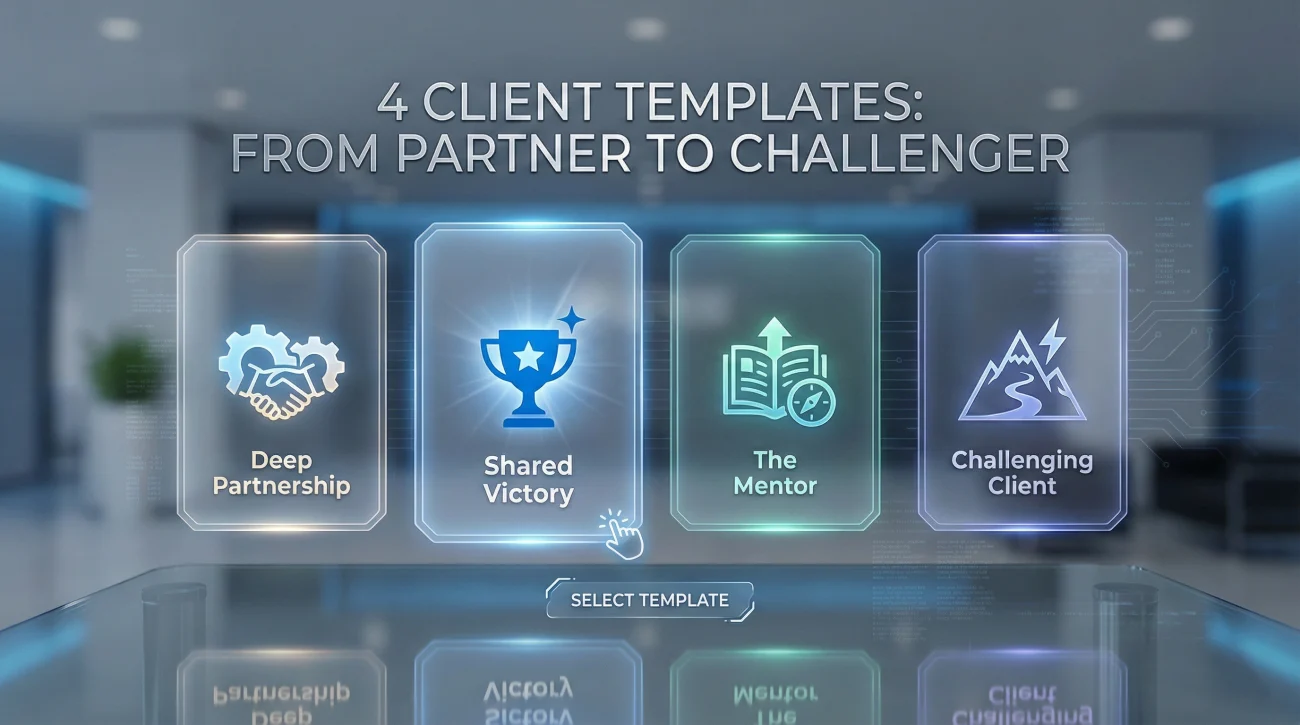
1. The “Deep Partnership” Client
Use this for clients you worked with daily/weekly for years. The relationship is almost peer-to-peer. You have likely shared meals, stressed over deadlines, and celebrated wins together.
Subject: Thank you for 3 years of partnership
Hi Sarah,
I am writing this from my personal email because I wanted to send a note that was separate from the transition logistics I sent last week.
I wanted to thank you for being such an incredible partner during my time at [Company]. We tackled some massive projects together – the Q3 migration in particular stands out as a career highlight for me. I deeply appreciated how you trusted my team’s judgment during the crisis phase; that level of trust is rare in client-vendor relationships. You taught me that transparency is the best policy, even when the news isn’t good.
You challenged me to be a better strategist, and I learned a tremendous amount about [Industry] just by watching how you navigate your internal stakeholders.
I am confident that [Successor’s Name] will take great care of the account – they have been briefed on all your preferences. As for me, I wanted to ensure we stayed connected personally. I’d love to grab a coffee in a few weeks once I’m settled into my new routine.
With gratitude,
Alex
2. The “Shared Victory” (Project-Based)
Use this gratitude email to customer contacts when you delivered a specific, high-stakes win together. Anchoring the email in a shared success solidifies the memory of you as a “winner.”
Subject: Reflecting on the [Project Name] launch
Dear Michael,
As I transition to my new chapter, I’ve been reflecting on the work we did at [Company].
The launch of [Project Name] was one of the most satisfying achievements of my career. It wasn’t just the results (though the 20% growth was nice!); it was the collaboration. Thank you for championing our ideas and for fighting for the budget to make it happen right. It is rare to find a client who views us as true partners rather than just vendors.
I am going to miss our weekly status calls, but I am excited to see where you take the project next. The roadmap we built is solid, and I know the team is ready to execute Phase 2.
Please keep in touch. I’d love to hear how the rollout goes.
Best,
Angela
3. The “Mentor” Client
Sometimes a client is so senior or experienced that they teach you. This appreciation message to business partner acknowledges that dynamic, showing humility and respect.
Subject: Thank you for your guidance
Hi Robert,
I wanted to send a personal note of thanks as I move on from [Company].
Serving as your account manager for the last two years has been a masterclass in leadership. I have learned so much just by observing how you handle pressure and how you communicate vision to your team. Thank you for the patience you showed me when I was new to the account, and for the constructive feedback that helped me sharpen my skills.
I value the professional relationship we’ve built and hope to maintain it as I advance in my career.
Sincerely,
Jordan
4. The “Challenging” Client
Even difficult clients deserve a goodbye. In fact, leaving on a high note with a tough client is a sign of extreme professionalism. Keep it brief and focused on the professional growth.
Subject: Thank you for the opportunity
Hi [Name],
As I move on to my next role, I wanted to thank you for the opportunity to work on your account.
Our collaboration taught me a great deal about [Specific Skill, e.g., rigorous attention to detail / crisis management]. I appreciate the high standards you set for the work, as it pushed our team to deliver our best.
I wish you and the company continued success.
Best regards,
[Your Name]
Common Pitfalls in Client Goodbyes
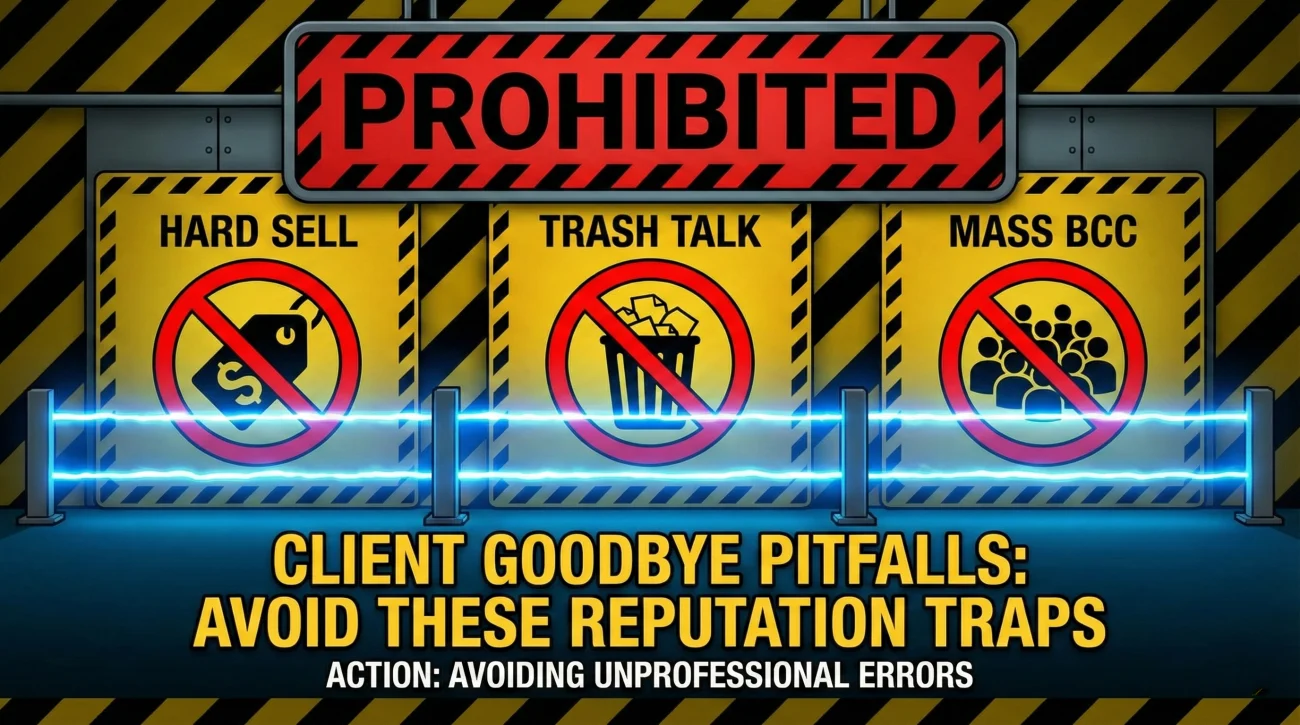
When sending a thank you email to client when leaving, the line between “professional” and “poaching” can be thin. Avoid these errors:
- 🛑 The “Hard Sell”: Never mention your new company’s products or services in a thank you email. It is unethical and potentially illegal.
- 🛑 The “Trash Talk”: Never disparage your current employer or the team taking over the account. It makes you look untrustworthy.
- 🛑 The “Ghosting”: Leaving without saying goodbye to a key client damages your personal brand. Even a brief note is better than silence.
- 🛑 The “Mass BCC”: Do not BCC all your clients on one generic email. It signals that they are just a number to you. Personalize or don’t send it.
- 🛑 The “Overshare”: Don’t burden the client with the dramatic reasons for your departure. Keep it “seeking new challenges.”
❓ FAQ
⏰ Can I connect with clients on LinkedIn?
Yes, absolutely. LinkedIn is often the safest and most professional way to maintain contact. Send a connection request during your notice period. It is a passive way to keep them updated on your career without violating non-solicitation clauses. Customize the invite: “Hi [Name], I’m moving on from [Company] but would love to stay connected here.”
📧 What if my company forbids contacting clients?
Respect the policy. If you signed a strict agreement, do not send personal emails. Instead, rely on the “Operational Farewell” sent from your work email (with your boss copied) to say your goodbyes professionally. You can usually still connect on LinkedIn unless specifically prohibited. Breaking this rule isn’t worth a lawsuit.
💼 Should I tell them where I am going?
Keep it high-level. “I am moving to a new opportunity in the fintech space” is safer than naming the specific competitor. Let them find out via your LinkedIn update later. This avoids any accusation of soliciting business during your exit. If you are going to a non-competitor, you can be more open.
🤝 How do I reassure them about my replacement?
Edify your successor. Speak highly of the person taking over. “You are in great hands with Sarah; she has deep experience in X.” This protects your reputation because it ensures the client doesn’t feel abandoned. Even if you have doubts about the replacement, express confidence to the client to maintain stability.
Final Thoughts: The Long Game
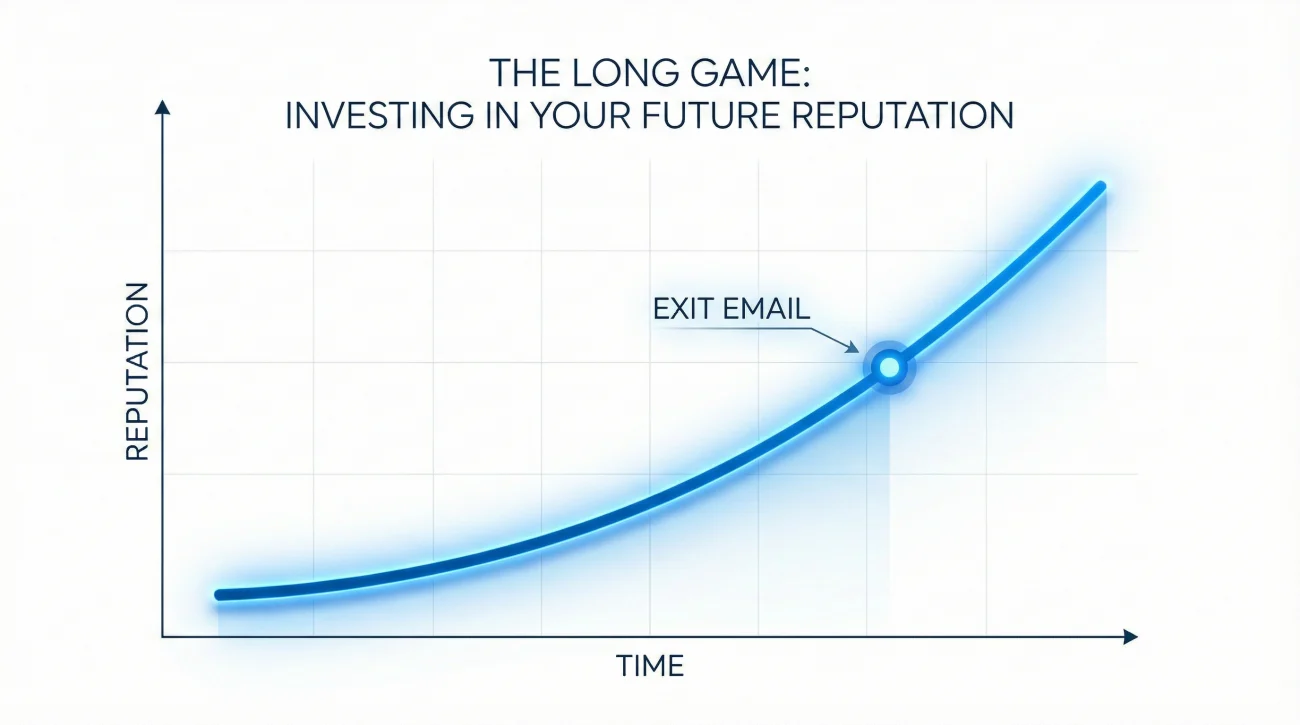
The business world is remarkably small. The client you serve today could be your employer tomorrow, or your partner in a venture five years from now. Treating them with respect during your exit is an investment in your future reputation.
A thoughtful appreciation email to client contacts proves that you valued the relationship, not just the revenue. It distinguishes you as a professional who cares about people, not just transactions. Leave them feeling confident, appreciated, and supported, and they will remember you fondly.
For more strategies on professional departures, read our guide on resignation etiquette. If you need to draft emails for your internal team, explore our library at ResignSmartly.
⚠️ Legal Disclaimer: ResignSmartly provides general informational guidance about resignation, workplace communication, notice periods, handovers, and career transitions. Content does not constitute individualized legal advice. Employment laws, contracts, workplace policies, and individual circumstances vary, so review the requirements that apply to your situation and consult an appropriate qualified professional when needed.