- Resigning does not always kill benefits: “Good cause” exceptions exist when the job effectively forces you out.
- Common good-cause buckets: Medical necessity, major unilateral job changes, and domestic safety protections.
- Constructive discharge is the legal backbone: Intolerable conditions like harassment, safety violations, or illegal demands can qualify if reported and left unresolved.
- Evidence decides the outcome: Written proof, a dated incident timeline, policy violations, and a resignation record that matches your claim.
- Claims are procedural, not personal: File with the most specific quit reason, expect fact-finding, and keep weekly claims active during any appeal.
The Truth About Resigning and Financial Safety
There is a pervasive myth that handing in your resignation letter automatically disqualifies you from receiving financial assistance. This belief keeps thousands of employees trapped in toxic or unsafe environments, fearful that leaving means an immediate drop to zero income. While the general rule is that unemployment benefits are reserved for those who lose their jobs through no fault of their own, the system is not black and white.
Labor laws recognize that “voluntary” resignation isn’t always voluntary. Sometimes, circumstances force your hand. Whether it is unsafe working conditions, harassment, or a breach of contract, the law provides exceptions. However, accessing these benefits requires understanding the legal definition of “good cause” and documenting your exit with precision.
The “Good Cause” Loophole: When Quitting is Justified
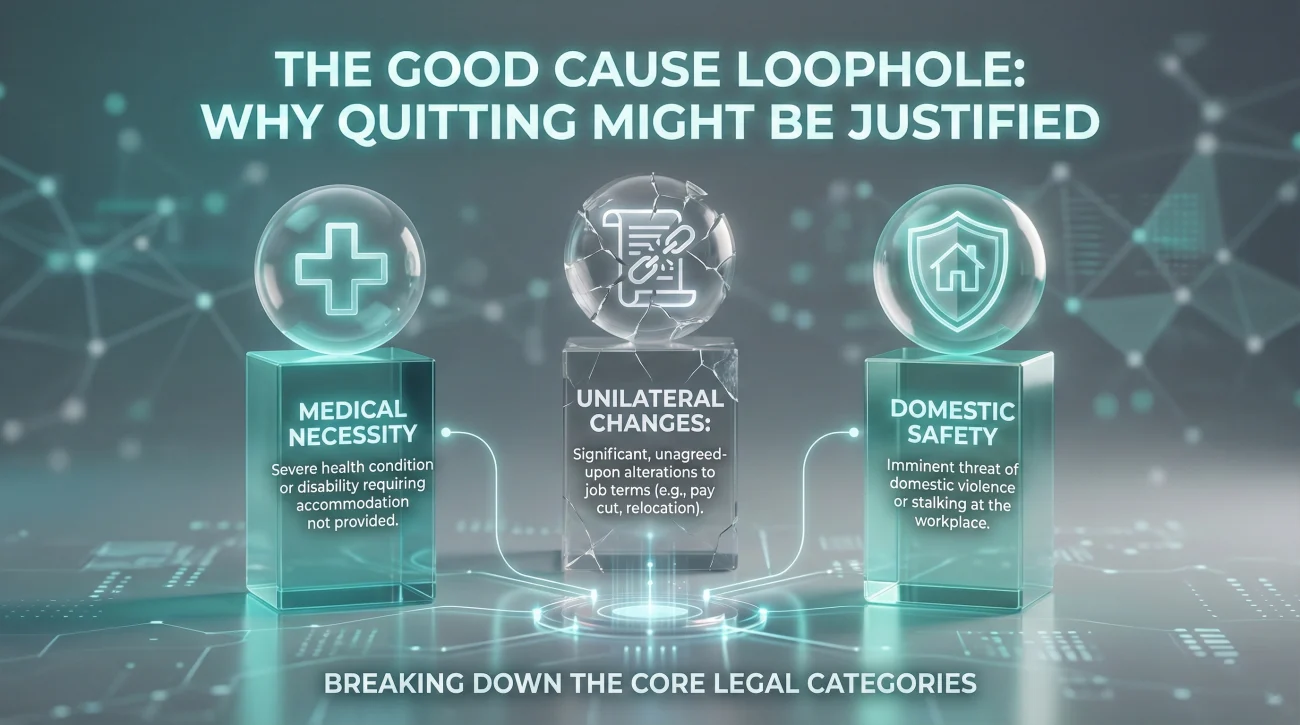
To qualify for assistance after resigning, you must prove you quit for “good cause connected to the work.” The unemployment office asks: “Would a reasonable person in this situation have felt compelled to quit?”
If the answer is yes, you may be eligible. You need to align your situation with specific categories recognized by state labor boards.
1. Medical Necessity
If your job is causing a documented health issue, you may have good cause for quitting. However, you cannot diagnose yourself. You typically need a doctor’s note advising you to quit before you resign. Most states also require you to give your employer a chance to accommodate your health needs (e.g., lighter duty) before leaving.
2. Unilateral Changes to Employment
If your employer fundamentally changes your hiring agreement – such as a significant pay cut, a drastic shift in hours, or a complete change in duties – it is considered a breach of contract. You didn’t sign up for the new terms, so leaving them is often protected.
3. Domestic Safety
Many states protect victims of domestic violence who must quit to ensure their safety (e.g., moving to a hidden location). Similarly, “trailing spouse” laws may cover you if you must quit to relocate with a spouse who was transferred for work.
Constructive Discharge: Being Forced Out
Some employers make working conditions so miserable that you leave “voluntarily” just so they can avoid paying unemployment taxes. Legally, this is called constructive discharge.
To prove this, you must demonstrate that your working conditions were intolerable, not just annoying. Examples include:
- 🚫 Illegal Harassment: Unchecked sexual harassment, discrimination, or bullying.
- 🚫 Safety Violations: Being forced to work in hazardous conditions without protection (OSHA violations).
- 🚫 Illegal Demands: Being instructed to break the law or commit fraud.
Crucial Step: You usually must prove you reported these issues to HR or management and gave them a chance to fix it. If you suffer in silence and then quit, your claim will likely be denied.
The Evidence Locker: How to Prove Your Case
When you file a claim, the burden of proof is on you. Before you ask “can i get unemployment if i quit,” audit your evidence. If it isn’t written down, it didn’t happen.
| Evidence Type | Strategic Purpose |
|---|---|
| Email Logs | Forward emails to your personal account proving you reported the issue and asked for a solution. |
| Medical Records | Doctor’s notes linking your health decline directly to workplace stress or conditions. |
| Timeline | A written log with dates, times, and witnesses for every incident of harassment or safety failure. |
| Handbook | A copy of company policy to prove they violated their own rules. |
Resignation Templates That Protect Your Claim
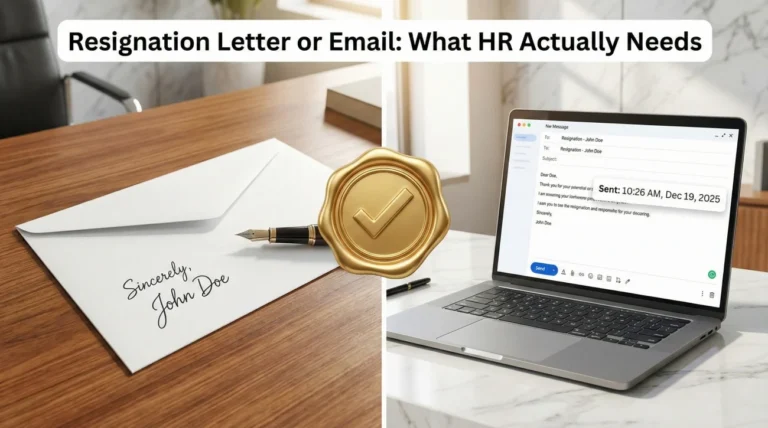
Your resignation letter is your first piece of evidence. Do not write a generic “I resign.” You must establish your “Good Cause” record.
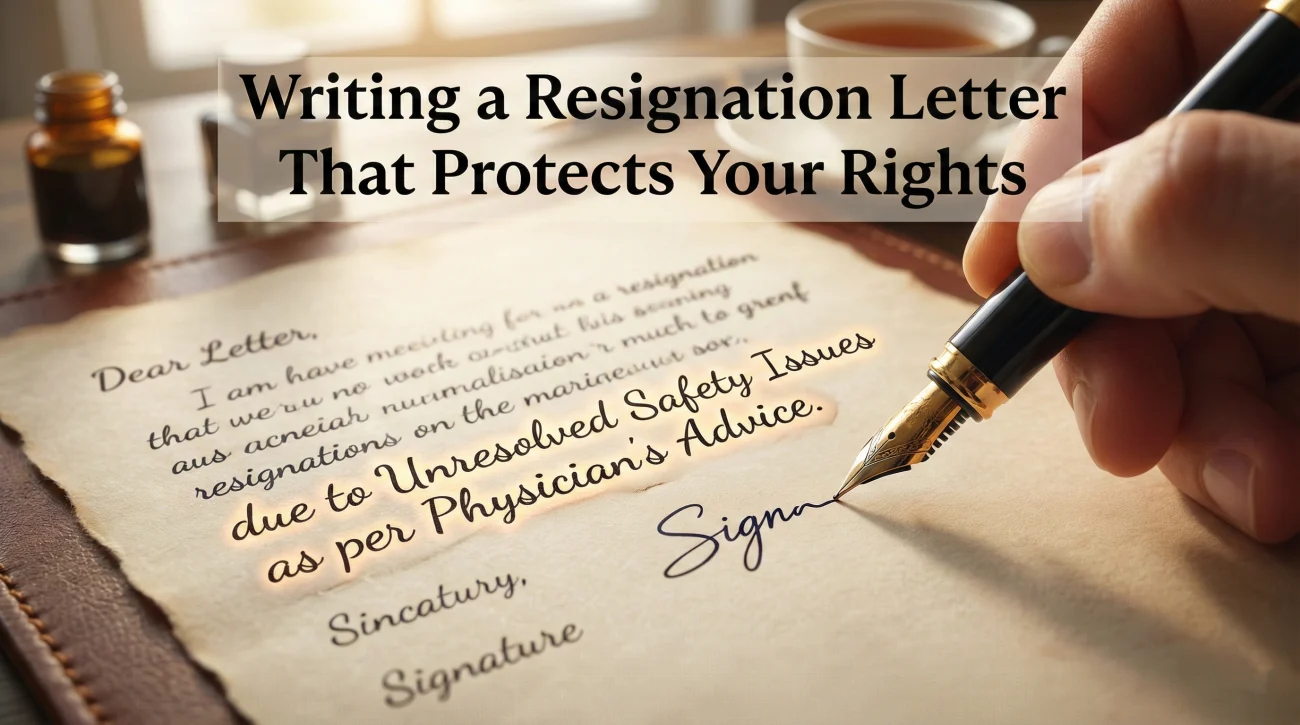
Template 1: Unresolved Grievances (Constructive Discharge)
[Your Name]
[Your Address]
[City, State ZIP]
[Date]
[Manager Name]
[Title]
[Company Name]
Dear [Manager Name],
Please accept this letter as formal notification that I am resigning from my position as [Your Job Title], effective [Date].
This decision comes after our meetings on [Date 1] and [Date 2], and my written reports to HR on [Date 3]. The working conditions regarding [specific issue: e.g., lack of safety equipment/unpaid overtime] have remained unresolved. Despite my efforts to address these concerns through proper channels, the situation has not improved.
Under these circumstances, I have no alternative but to resign to ensure my [safety/professional integrity].
Sincerely,
[Your Signature]
[Your Name]
Template 2: Medical Necessity
[Your Name]
[Your Address]
[City, State ZIP]
[Date]
[Manager Name]
[Title]
[Company Name]
Dear [Manager Name],
Please accept this letter as my resignation from the position of [Job Title], effective [Date].
On the specific advice of my physician, I am unable to continue performing the duties of this role due to health reasons exacerbated by the current work environment. While I have appreciated the opportunity to work here, my medical priority must take precedence.
Sincerely,
[Your Signature]
[Your Name]
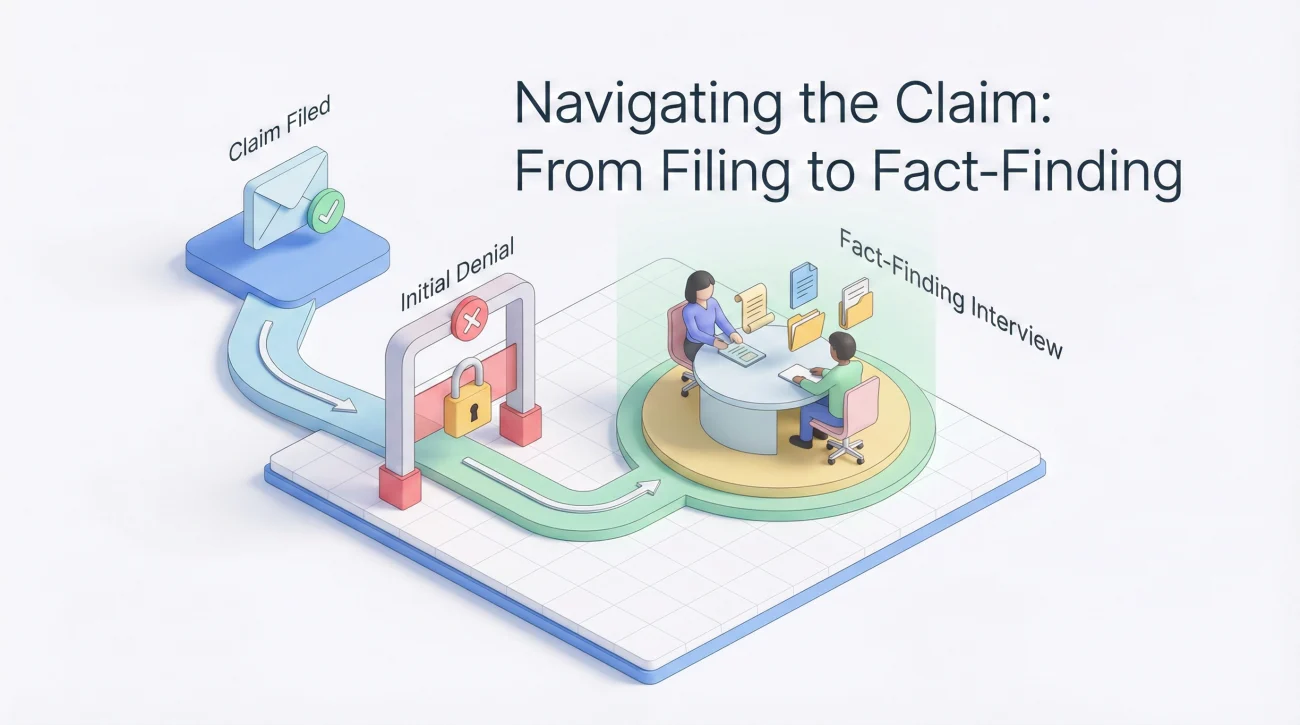
When filing your application, be specific. Do not just select “Quit” if a more specific option like “Quit – Medical” or “Quit – Unsafe Conditions” exists.
Be prepared for an initial denial. This is standard procedure to flag resignation claims. It triggers a “fact-finding interview” where you will present your documentation. This is where your detailed records and specific resignation letter determine your unemployment eligibility.
❓ FAQ
🤯 Can I get benefits if I quit due to stress?
Yes, but only if a doctor advised you to quit because the job was the direct cause of a diagnosed condition, and you tried to ask for accommodation first.
📝 Does a resignation letter prove I quit voluntarily?
Not necessarily. If you can prove the underlying reality was a “constructive discharge,” the letter is just a formality. However, writing the reason in the letter makes your case much stronger.
⏳ How long does the appeal take?
Appeals can take 4-8 weeks. Keep filing your weekly claims during this time; if you win, you get paid retroactively.
🚫 Can my employer stop me from getting benefits?
They can contest it, but the state decides. If your evidence of “good cause” is solid, the state will rule in your favor regardless of the employer’s protest.
📉 What if I quit before getting fired?
If firing was imminent and unavoidable, some states treat it as a discharge. However, it is often safer to wait to be fired to ensure easier eligibility.
Final Thoughts
The unemployment system is built to support workers, but it requires you to prove your case. If you are forced to resign due to intolerable conditions, do not walk away empty-handed.
By understanding your rights, documenting your “Good Cause,” and following the proper legal steps, you can secure the unemployment benefits you have earned. Treat your exit like a legal process, not just a goodbye.
⚠️ Legal Disclaimer: ResignSmartly provides general informational guidance about resignation, workplace communication, notice periods, handovers, and career transitions. Content does not constitute individualized legal advice. Employment laws, contracts, workplace policies, and individual circumstances vary, so review the requirements that apply to your situation and consult an appropriate qualified professional when needed.