
- Reframe: Returning to a former employer is no longer “failure”, it can be a strategic upgrade if you avoid desperate energy.
- Leverage: You are the safe bet because you already know the systems, culture, and expectations, which reduces time, cost, and risk.
- Outreach: Start with a soft, curious check-in to your former manager before applying, and keep the tone professional.
- Narrative: Explain leaving as skill growth and returning as bringing back new value, not as escaping a bad new job.
- Negotiation: Do not accept your old rate, negotiate like a new hire, then reintegrate humbly while setting fresh boundaries.
The Strategic U-Turn
The grass wasn’t greener. In fact, it was artificial turf painted green. You left your old job thinking you were upgrading your career, but three months (or three years) later, you realize the new culture is toxic, the promises were empty, or you simply miss the team dynamic you left behind. Now, you are considering the once-taboo career move: becoming a boomerang employee.
Historically, returning to a “company of the past” was seen as a regression – a sign that you failed in the outside world. That stigma is dead. In today’s talent-short market, companies love rehiring former employees. You are a known entity, you require zero training, and you already know where the coffee machine is.
However, asking for your old job back is a delicate negotiation. Do it wrong, and you look desperate (“crawling back”). Do it right, and you can return with a higher salary, a better title, and newfound respect. This guide will show you how to execute a strategic re-entry without compromising your worth.
Why Companies Love Boomerangs (Your Leverage)
Before you send that awkward text to your old boss, you need to understand your value. You are not begging for a favor; you are solving a massive problem for them. Hiring is expensive and risky. You are the “Safe Bet.”
| Metric | New External Hire | You (Boomerang Employee) |
|---|---|---|
| Onboarding Time | 3-6 Months to full productivity. | 1-2 Weeks (You know the systems). |
| Cultural Risk | High (50% failure rate). | Zero (You already fit). |
| Cost to Hire | High ($4,000+ in recruiter fees). | Low (Direct referral). |
| Skill Set | Unknown variables. | Proven track record + New external skills. |
The Strategy: When returning to old company discussions start, focus on the right-hand column. Remind them that hiring you saves them time, money, and stress.
Step 1: The “Soft Sounding” (Don’t Apply Yet)

Do not just submit a resume through the impersonal career portal. You are an insider; use your access. Your goal is to bypass HR initially and go straight to the decision-maker – usually your former manager.
The tone should be “curious and professional,” not “desperate.”
The Email Script: Catching Up
Subject: Coffee / Catch up?
Hi [Former Manager’s Name],
I hope you and the team are doing well. I saw on LinkedIn that [Project X] launched last week – congrats, it looks fantastic.
I’ve been reflecting on my time at [Company] lately. While I’ve learned a lot in my current role at [Current Company], I find myself missing the collaborative culture we had. I noticed the team is expanding again, and I’d be interested to hear how things are evolving.
I’d love to buy you a coffee (or hop on a quick Zoom) to catch up. No pressure, just wanted to say hello and see if our paths might cross again.
Best,
[Your Name]
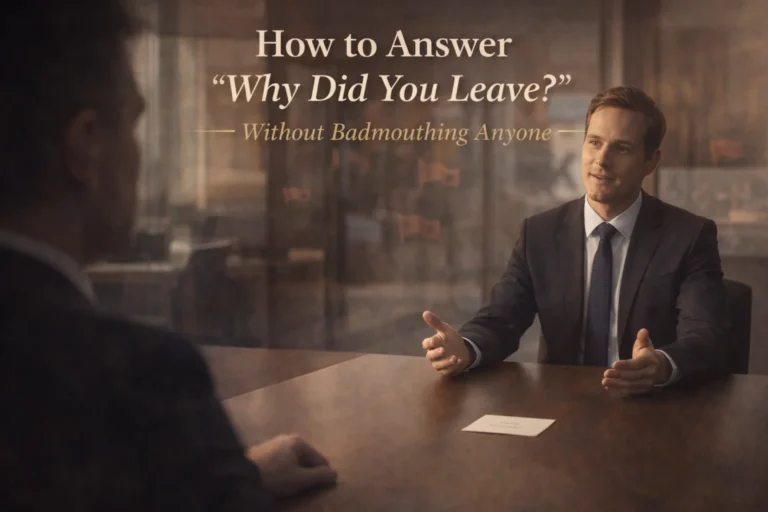
Step 2: Handling the “Why Did You Leave?” Question

Even if your old boss wants you back, HR will grill you. They need to ensure you aren’t just using them as a safety net until something better comes along. You need a narrative that frames your departure as a necessary “sabbatical for skill acquisition.”
The Narrative Pivot
HR Question: “You left us because you said you needed to grow. Why come back now? Did it not work out?”
Bad Answer: “The new job is terrible. My boss is a nightmare and I made a huge mistake.” (This sounds desperate and negative).
The Winning Answer:
“Leaving was a difficult decision, but it was necessary for me to gain [Skill A] and [Skill B] which I couldn’t learn here at the time. My time away has been like an accelerated MBA. I’ve gained a new perspective on [Industry Trend] that I now want to bring back to this team. I’m returning not because I ‘have to,’ but because I realize this is the best environment for me to apply these new skills effectively.”
Step 3: The Salary Trap (Do Not Accept Your Old Rate)

This is the most critical section. When rehired by former employer teams, their default instinct is: “Great, let’s bring Bob back at his old salary. Maybe add 3% for inflation.”
Do not accept this.
If you accept your old salary, you are essentially taking a pay cut (due to inflation) and giving them your new outside experience for free. You must be treated as a “New Hire” with “Legacy Knowledge.”
The Negotiation Script
Them: “We can reinstate you at your previous salary of $75,000.”
You:
“I appreciate the offer to return. However, I want to ensure the compensation reflects the current market and the additional experience I’ve gained since leaving.
If you were hiring an external candidate with my specific skill set and zero training requirements, the market rate would be closer to $90,000. Since I bring that value plus immediate productivity, I believe a salary of $88,000 is fair. I want to come back feeling valued for who I am today, not who I was when I left.”
Step 4: Surviving the First Week Back

Walking back into the office can be awkward. Your former peers might be resentful (“Why does he get a raise for quitting when I stayed?”). Your replacement might feel threatened.
- 🤫 Be Humble: Do not walk in saying, “At my other company, we did it better.” You are there to integrate, not dominate.
- 🤝 Acknowledge the Stayers: Explicitly value the people who stayed. “You guys kept the ship afloat and did amazing work while I was gone.”
- 🔄 Reset Expectations: You are not the “old you.” Establish new boundaries immediately, especially if you left due to burnout. Do not slide back into old bad habits.
❓ FAQ
⏳ How soon is “too soon” to go back?
Generally, wait at least 6 months to a year. Returning in less than 3 months screams “I failed at the new job.” You need enough time to claim you learned something new and valuable.
🎁 Do I get my seniority and benefits back?
This is a key question for HR regarding boomerang employee benefits. Many companies have a “bridge of service” policy. If you return within 6-12 months, your tenure (for 401k vesting, vacation accrual, or parental leave eligibility) might be reinstated. Ask for this explicitly!
🚫 What if I burned bridges when I left?
If you rage-quit or left without notice, the door is likely closed. Exceptions exist if the entire leadership team has changed, but don’t count on it. Companies have long memories.
👔 Can I ask for a higher title?
Yes, and you should. If you return to the exact same role, you risk stagnating. Frame your return as a “step up” based on your external growth. “I’m returning as a Senior Analyst, not just an Analyst.”
😰 Will my coworkers judge me?
Some might call you a “traitor” jokingly (or not). The best defense is to work hard and show that your time away made you a better teammate, not just a more expensive one. Kill them with kindness and competence.
Final Thoughts
Becoming a boomerang employee is not an admission of defeat; in the modern workforce, it is often the most efficient way to hack your career growth. You left, you learned, and now you are returning with an upgrade.
Approach the return as a business transaction, not a family reunion. Validate your worth, negotiate your terms aggressively but politely, and walk back through those doors with your head high.
⚠️ Legal Disclaimer: ResignSmartly provides general informational guidance about resignation, workplace communication, notice periods, handovers, and career transitions. Content does not constitute individualized legal advice. Employment laws, contracts, workplace policies, and individual circumstances vary, so review the requirements that apply to your situation and consult an appropriate qualified professional when needed.