- Core frame: Treat the exit interview as a strategic negotiation that seals your reputation, not a therapy session.
- Psychology: The Peak-End Rule means your final hour can outweigh years of good work if you sound bitter or messy.
- HR reality: They want data over drama, and confidentiality is limited, so assume feedback can travel upward.
- Answer strategy: Use prepared “bridge” responses that explain your move as pull toward growth and frame manager issues as style differences.
- Safe feedback: Critique processes with a clear solution, or decline the interview politely if the risk of damage is high.
For the full transition process, use our job handover guide and checklist.
The Last Impression: Why the Exit Interview Is a Strategic Negotiation
There is a dangerous misconception that the moment you hand in your resignation letter, the game is over. You might feel a wave of relief, a sense of invincibility, thinking the corporate politics, the posturing, and the need for careful communication are finally behind you. This psychological state is often called the “Notice Period Limbo,” and it is exactly where smart professionals make their most expensive mistakes. In reality, the most critical phase of your departure is just beginning. The exit interview is not merely a formality, a bureaucratic box to check, or a therapy session to air years of suppressed grievances; it is the final, permanent seal on your professional reputation within that organization.
Psychologists often refer to the “Peak-End Rule,” which suggests that people judge an experience largely based on how they felt at its peak and at its end, rather than the total sum of every moment. You could have been a top performer for five years, driving revenue and building team culture. But if your final hour – the exit interview – is filled with bitterness, unstructured complaints, or defensive remarks, that is the memory that will stick. Proper exit interview preparation is the specific mechanism that separates a respected alumnus whose feedback is valued from a disgruntled employee whose legitimate concerns are dismissed as “sour grapes.”
I have seen brilliant careers stumble at this specific hurdle. An employee, feeling liberated and perhaps a bit reckless, decides to “finally tell the truth” about a toxic manager or a flawed process. They walk into the room with HR thinking they are acting as a martyr for the colleagues they are leaving behind, believing their “brutal honesty” will trigger immediate change. Instead, they walk out having burned a bridge they might need to cross five years down the road when they need a reference, a strategic partnership, or even a “boomerang” re-hire. This guide moves beyond the standard, superficial advice to “just be nice.” We are going to deconstruct the psychology of the exit interview, decode what HR is actually looking for, and provide you with the scripts and strategies to navigate this minefield with executive presence.
Decoding the Room: What HR Really Wants
To master the exit interview, you must first understand the person sitting across from you. Human Resources professionals are tasked with a difficult duality. On one hand, they want to retain talent and improve culture. On the other, their primary fiduciary duty is to protect the company from liability. When you understand this, you realize that total, unfiltered honesty is rarely your best strategy.
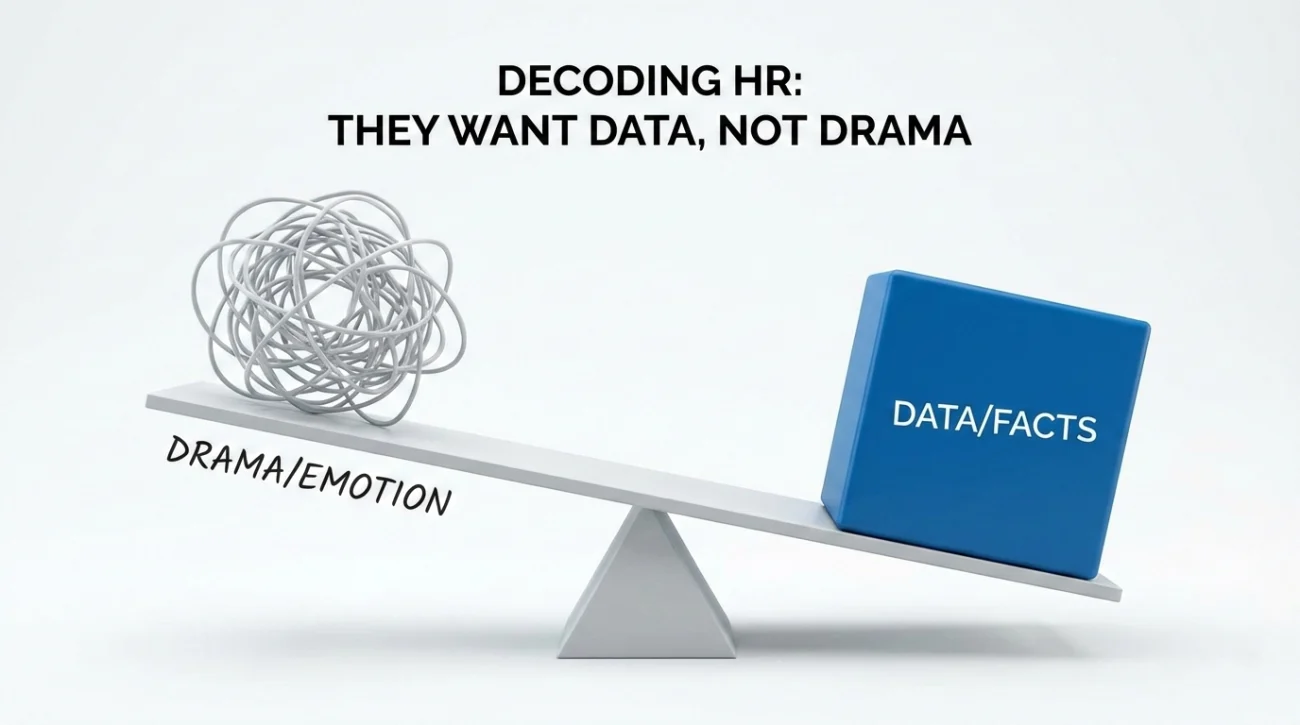
They Want Data, Not Drama
HR looks for patterns. If you are the fifth person to leave a specific department in six months, they are already on high alert. They are looking for you to confirm a hypothesis, not to start a new investigation based on emotion. Your goal is to provide “actionable intelligence.”
Think of yourself as an external consultant. A consultant doesn’t complain that “Bob is mean.” A consultant observes that “The communication style in the marketing department often leads to bottlenecks.” The former is drama; the latter is data. When you are determining what to say in exit interview sessions, always filter your feedback through this lens: Is this a feeling, or is this a finding?
The Myth of Confidentiality
Let’s address the elephant in the room: Is this conversation confidential? Technically, yes. Practically, no. While HR likely won’t paste your transcript on the company bulletin board, the specific feedback you give often makes it back to leadership. If you describe a specific incident with your manager, it doesn’t take a detective to figure out who said it. Assume that anything you say will eventually reach the ears of the people you are discussing. This doesn’t mean you should lie, but it does mean you must be diplomatic.
The questions in an exit interview are predictable, yet they trip people up constantly. The key is to prepare “bridge” answers – responses that acknowledge the question but steer the conversation toward your safe ground.
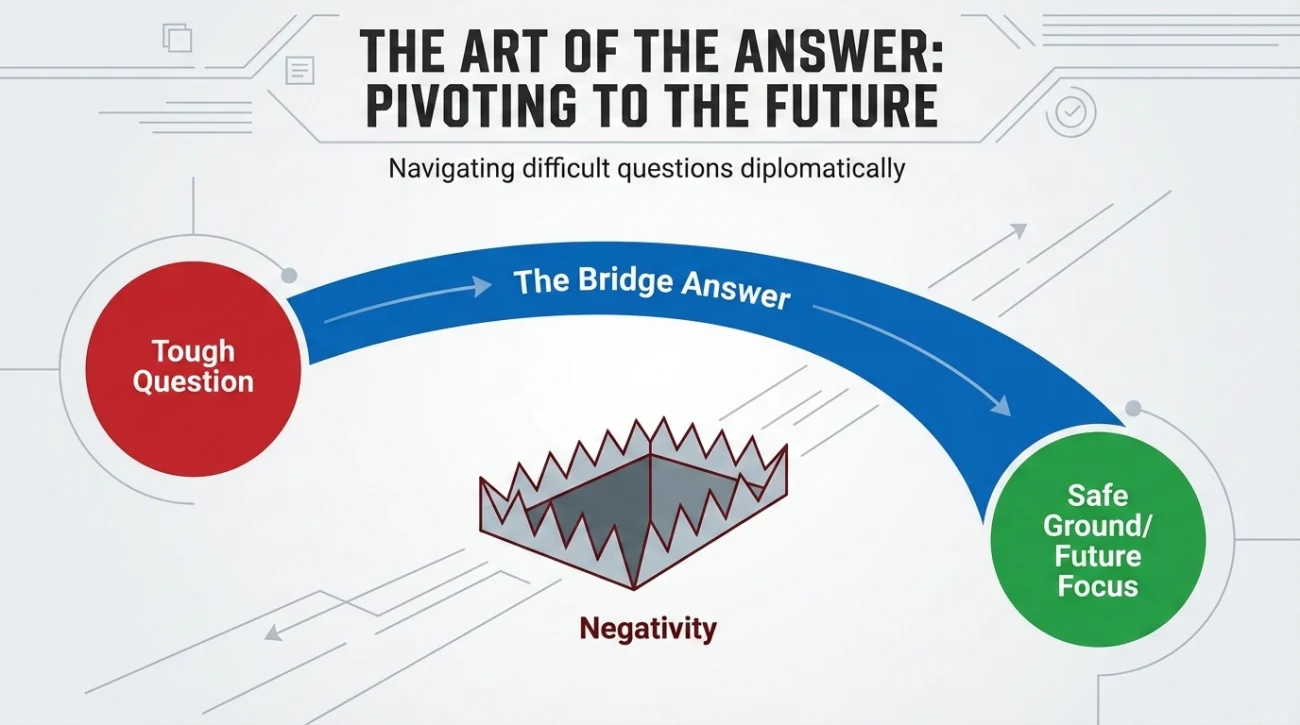
Decoding “Why Are You Leaving?”
This is the opener, and it sets the tone. If you say, “I’m leaving because the pay is terrible and the culture is toxic,” you have just become an adversary. Instead, use the “Pull, Not Push” method. Focus on what is pulling you toward the new opportunity, not what is pushing you away from the current one.
The Script: “I’ve learned a tremendous amount here, especially in [Skill A]. However, this new role offers a specific opportunity to lead a team in [Sector B], which aligns perfectly with where I see my career going in the next five years. It was a tough decision, but the growth potential was too strong to pass up.”
Handling “How Was Your Relationship With Your Manager?”
This is the trap. Even if your boss was the reason you updated your LinkedIn profile, tearing them down here serves zero purpose. If you destroy your manager’s reputation, they may destroy your reference later.
When facing exit interview questions about leadership, focus on style differences rather than character flaws.
This is also a classic “behavioral-style” prompt – if you want more practice frameworks, browse these behavioral interview questions.
The Script: “We had a productive working relationship. I think [Manager Name] is excellent at [Skill X]. I found that I tend to thrive under a management style that is slightly more autonomous, whereas the structure here is very hands-on. It’s just a difference in working styles.”
The Paper Trail: Scheduling and Declining
The interview process often starts in your inbox. How you handle the invitation sets the stage for the meeting itself. Below are templates designed to maintain professionalism, whether you want to engage or gracefully bow out.
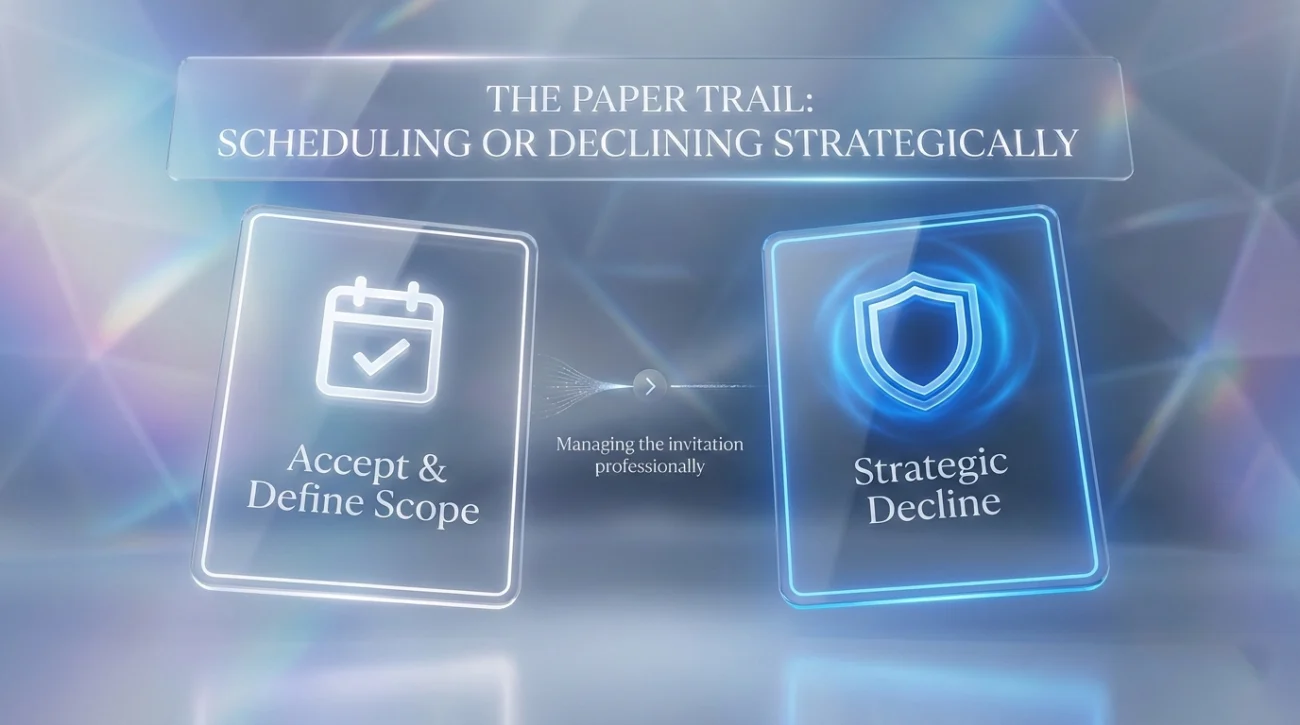
Setting the Appointment
When you receive the request, respond promptly. This shows you are still engaged and professional until the very last minute. Here is a standard exit interview email to HR that confirms your attendance while setting boundaries on timing.
Subject: RE: Exit Interview Request – [Your Name]
Hi [HR Name],
Thank you for reaching out. I would be happy to sit down and share my thoughts on my tenure at [Company Name].
I am available on [Date] at [Time]. I plan to focus my feedback on the operational processes and team structure, as I believe those are the areas where my insights could be most valuable for the department’s future.
Looking forward to our conversation.
Best regards,
[Your Name]
The Strategic Decline
You are under no legal obligation to participate in an exit interview (unless stated in a very specific employment contract, which is rare). If you are leaving on bad terms, are afraid you might lose your temper, or simply do not trust HR, it is perfectly acceptable to say no. A declining exit interview email should be short, polite, and final. Do not offer excuses – just offer your regrets.
Subject: RE: Exit Interview Invitation – [Your Name]
Hi [HR Name],
Thank you for the invitation to meet.
Given the demands of my final week and the focus I am placing on a comprehensive handover to ensure [Team Name] succeeds, I will not be able to participate in a formal exit interview. I have documented all my key tasks and projects for my successor.
I wish the company nothing but the best and leave with fond memories of my time here.
Sincerely,
[Your Name]
How to Give “Negative” Feedback Safely
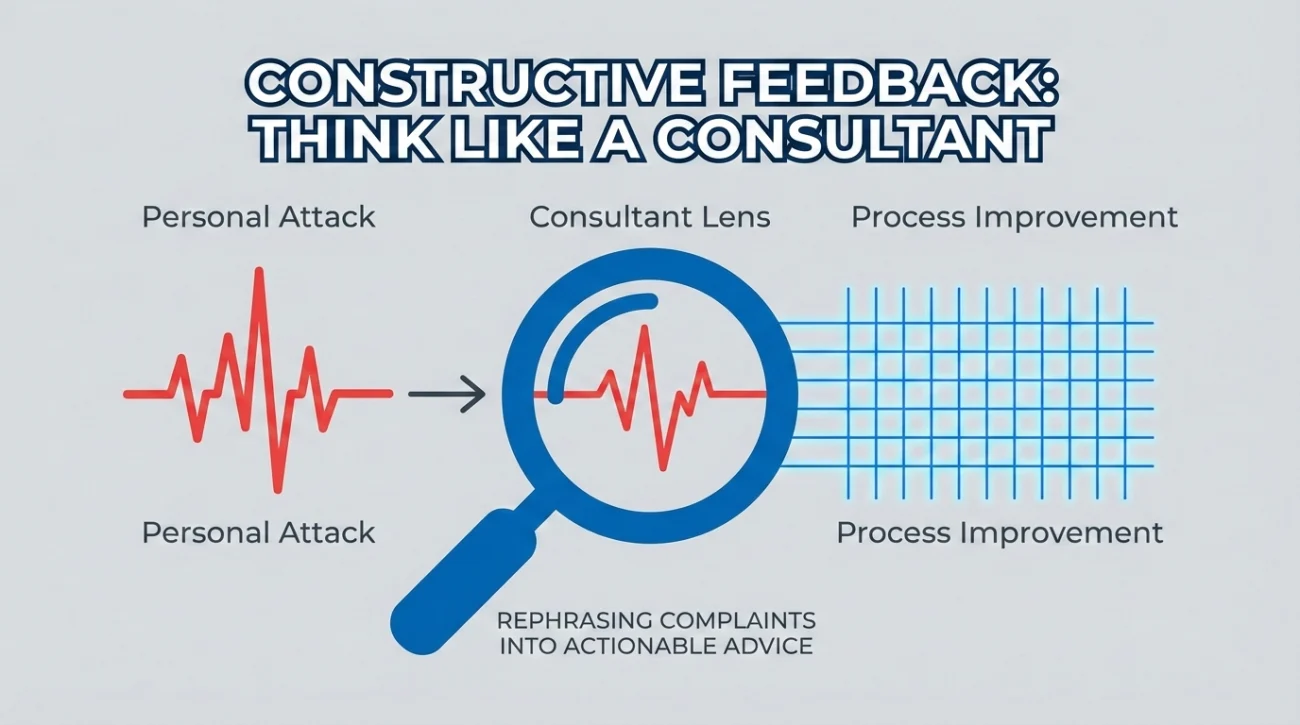
Sometimes, you do want to help. You care about the team you are leaving behind and want to fix a broken process. The secret is the “Sandwich Technique,” but with a corporate twist: Compliment, Pivot to Process, Solution.
| Don’t Say (Personal Attack) | Do Say (Process Focus) |
|---|---|
| “The sales team is lazy and never updates the CRM.” | “I noticed we often have data gaps in the CRM. It might be helpful to automate that entry process so the sales team can focus on selling.” |
| “My manager micromanages everything.” | “The approval chain is currently quite long (4 steps). Simplifying that to 2 steps would likely increase the team’s velocity by 30%.” |
| “The pay here is way below market.” | “In my recent job search, I found that the market rate for this specific role has shifted upward significantly. It might be worth a compensation review to help with future retention.” |
Notice the difference? The column on the right sounds like a high-level consultant giving advice. The column on the left sounds like a complaint. HR listens to consultants; they endure complainers.
❓ FAQ
📝 Should I ask for the questions beforehand?
Absolutely. It shows you are taking the process seriously. You can simply ask, “To ensure I provide the most thoughtful and accurate feedback, could you share the general topics or questions we will be covering?” This also gives you time to prepare your diplomatic answers and avoid being caught off guard.
🤐 Can an exit interview affect my future references?
Yes. While HR usually handles official employment verification (dates and titles), informal “backchannel” references happen constantly. If you use the exit interview to scorch the earth, the HR manager or your boss might share that characterization with their network. It is always safer to leave as the “classy professional.”
💡 Is it better to do a written survey or an in-person interview?
If you have the choice and you are worried about saying the wrong thing, choose the written survey. It gives you time to edit your tone and ensures your words aren’t misinterpreted. However, if you are good at verbal communication and want to leave a strong personal impression, the face-to-face meeting builds better rapport.
💼 Can I rescind my resignation during the exit interview?
This is highly risky and generally not recommended. By the time you are in the exit interview, the company has likely mentally moved on and started the backfill process. Attempting to stay at this stage can make you look indecisive or manipulative. Only resign when you are 100% sure.
Final Thoughts: Your Legacy is in Your Hands
Ten years from now, no one will remember the specific project you were late on in Q3. But they will remember how you made them feel when you left. Did you leave them scrambling and angry? Or did you leave them with a clear path forward and a smile?
The exit interview is your opportunity to frame your narrative. It is your chance to show that even when you are walking out the door, you are thinking about the company’s success. By investing time in exit interview preparation, you aren’t just helping the company; you are investing in your own personal brand. Treat this meeting with the same preparation and respect as the interview that got you the job in the first place.
For more tools to help you navigate this transition, check out our guide on writing the perfect goodbye emails to your colleagues. And if you are still in the thick of organizing your departure, our handover email templates will ensure your tasks are transferred seamlessly. For all other resignation resources, visit ResignSmartly.
⚠️ Legal Disclaimer: ResignSmartly provides general informational guidance about resignation, workplace communication, notice periods, handovers, and career transitions. Content does not constitute individualized legal advice. Employment laws, contracts, workplace policies, and individual circumstances vary, so review the requirements that apply to your situation and consult an appropriate qualified professional when needed.